 Recordz
About
Please note, many Capitol Records issues also carry an EMI logo. This is not a label, and EMI should not be added as a label; it instead indicates that Capitol was part of the EMI Group. For LPs the label design may help identify the era of release. See vinylbeat.com & friktech.com links below. Please note: unofficial / counterfeit releases should use [/u] instead.
Label Code: LC 0148 / LC 00148.
The company was founded on April 8, 1942 in Hollywood, California as "Liberty Records" by the songwriters , and record store owner .
On June 4 of the same year, the label was named "Capitol" to avoid a conflict with the New York City-based Liberty Music shops.
By 1946, Capitol had sold 42 million records and was established as one of the Big Six labels.
In January 1955, the British company (EMI) acquired Capitol Records, Inc. for $8.5 million.
In the UK, Europe and Australasia, EMI began releasing Capitol product in January 1956, after the licenses of The Decca Record Company Limited and other licensees expired.
On August 18, 1958, Capitol introduced its first stereo discs composed of 10 popular releases and 5 classical releases.
In 1979, Capitol was made part of the "Worldwide Division." In 2001, merged Capitol Records label with the Priority Records label.
In September 2012 Capitol Records was purchased by Vivendi S.A. (owner of the ). As of March 2024, Capitol Records is part of Universal's Interscope Capitol Labels Group.
Capitol Records album prefix codes:[/u]
Catalog numbers are generally divided into a prefix (from 1 to 4 letters) and a number. The number is the actual release number. Capitol started numbering at 100, with some of their subsidiaries (like Tower) starting at higher numbers (such as 5000 for Tower and 3350 for Apple). By 1968, their regular issue albums had reached 2999; 3000 to 9999 were reserved for subsidiaries so they started over at 100. In 1972, album numbering reached 999 and catalog numbers jumped ahead to 10000.
The prefix is composed of letters.
• If the record is in stereo, then the first letter is "S.". If the first letter is a "D", the record is in reprocessed stereo created from mono recordings (= Duophonic).
No letter corresponds to a mono recording.
• The second letter is the price code. Beginning in the late 1950s, "T" was the standard code for a full-price single LP. Other letters, such as W, M and K indicate a different list price.
• The third letter (if present) indicates the number of discs in the album. "A" = single LP, "B" = two LPs, "C" = 3 Lps, etc.
• A fourth letter (if present) means there was some kind of special packaging, such as a boxed set, gatefold cover, booklet, etc.
45 RPM Catalog Number, Date and Label Identification:
791 through 4290 (1949–1959): Purple label with Capitol
logo on top.
4291 through 4663 (1959–1961): Purple label with Capitol
logo on left side.
4680 through 5999 (1961–1967): Orange and yellow
"swirl" label.
Regarding Capitol 4664 through 4679, we've seen enough inconsistencies in this gap to render us unable to make any concrete determinations. Thus far, the highest number we've
seen, pressed exclusively on purple, is 4663. The lowest number we know of, pressed exclusively on orange and yellow, is 4680. Many numbers in-between appeared on both Capitol
labels. Numbers prior to the beginning of 45 rpm production are reissues of material first issued on 78 rpms.
Note: During 1951-1954 Capitol released several 7" inch discs at 78rpm speed under S-R-S (Studio & Recording Services): https://www.discogs.com/label/1367146-SRS-Capitol
Label Code: LC 0148 / LC 00148.
The company was founded on April 8, 1942 in Hollywood, California as "Liberty Records" by the songwriters , and record store owner .
On June 4 of the same year, the label was named "Capitol" to avoid a conflict with the New York City-based Liberty Music shops.
By 1946, Capitol had sold 42 million records and was established as one of the Big Six labels.
In January 1955, the British company (EMI) acquired Capitol Records, Inc. for $8.5 million.
In the UK, Europe and Australasia, EMI began releasing Capitol product in January 1956, after the licenses of The Decca Record Company Limited and other licensees expired.
On August 18, 1958, Capitol introduced its first stereo discs composed of 10 popular releases and 5 classical releases.
In 1979, Capitol was made part of the "Worldwide Division." In 2001, merged Capitol Records label with the Priority Records label.
In September 2012 Capitol Records was purchased by Vivendi S.A. (owner of the ). As of March 2024, Capitol Records is part of Universal's Interscope Capitol Labels Group.
Capitol Records album prefix codes:[/u]
Catalog numbers are generally divided into a prefix (from 1 to 4 letters) and a number. The number is the actual release number. Capitol started numbering at 100, with some of their subsidiaries (like Tower) starting at higher numbers (such as 5000 for Tower and 3350 for Apple). By 1968, their regular issue albums had reached 2999; 3000 to 9999 were reserved for subsidiaries so they started over at 100. In 1972, album numbering reached 999 and catalog numbers jumped ahead to 10000.
The prefix is composed of letters.
• If the record is in stereo, then the first letter is "S.". If the first letter is a "D", the record is in reprocessed stereo created from mono recordings (= Duophonic).
No letter corresponds to a mono recording.
• The second letter is the price code. Beginning in the late 1950s, "T" was the standard code for a full-price single LP. Other letters, such as W, M and K indicate a different list price.
• The third letter (if present) indicates the number of discs in the album. "A" = single LP, "B" = two LPs, "C" = 3 Lps, etc.
• A fourth letter (if present) means there was some kind of special packaging, such as a boxed set, gatefold cover, booklet, etc.
45 RPM Catalog Number, Date and Label Identification:
791 through 4290 (1949–1959): Purple label with Capitol
logo on top.
4291 through 4663 (1959–1961): Purple label with Capitol
logo on left side.
4680 through 5999 (1961–1967): Orange and yellow
"swirl" label.
Regarding Capitol 4664 through 4679, we've seen enough inconsistencies in this gap to render us unable to make any concrete determinations. Thus far, the highest number we've
seen, pressed exclusively on purple, is 4663. The lowest number we know of, pressed exclusively on orange and yellow, is 4680. Many numbers in-between appeared on both Capitol
labels. Numbers prior to the beginning of 45 rpm production are reissues of material first issued on 78 rpms.
Note: During 1951-1954 Capitol released several 7" inch discs at 78rpm speed under S-R-S (Studio & Recording Services): https://www.discogs.com/label/1367146-SRS-Capitol
Sub-labels
2 Hot For Airplay2 Άλμπουμ Σε 1 CD2101 Records4-ByAmazing Maxi-ClassicsArthur Murray FavoritesAvatar RecordsBackground MusicBeastie Boys RecordsBetter Place RecordsBlockbuster Summer SeriesBozo The Capitol Clown ApprovedCAP LatinoCapitol 33 CompactCapitol 33 CompactoCapitol AmericanaCapitol Blues CollectionCapitol Catalog MKT (C92)Capitol Collectors SeriesCapitol CriterionCapitol CustomCapitol DiscoCapitol DiscosCapitol Gold CutsCapitol International SeriesCapitol JaxCapitol JazzCapitol Jazz ClassicsCapitol Junior RecordsCapitol Library ServicesCapitol New Release GuideCapitol Photo ArchivesCapitol Pops SamplerCapitol Production MusicCapitol PunishmentCapitol Record ClubCapitol Records ItalyCapitol Records NashvilleCapitol SingsCapitol SoulCapitol Special MarketsCapitol VideoCapitol's Dixie SerieChildren's SeriesChipsClassics In JazzClose-UpCollector's BestCompact Double 33CornerstonesCountry & Western Hit-Makers!Country ClassicsCrazy HorseCreative ProductsCrescent City SoulDigitally Remastered Treasured MastersDimensions In JazzDouble PlayDouble ShotsElectromagnetic RecordingsElegidosEMI-Capitol Music Special MarketsEMI-Capitol Special MarketsEssentialEuphoria RecordsFolk WorldFreeworld EntertainmentFrom The Capitol VaultsGrand Royal RecordsGreat Gentlemen Of SongGreat Ladies Of SongGreatest!Java RecordsKenton Presents JazzLearning Is Fun!Leisure ListeningMasters Of SwingMedia MusicMedia Music The ProfessionalMelodies Of The MastersMetro BlueMúsica Argentina E Internacional S.R.L.PersonalidadesPickwick SeriesPop Country SeriesPriority RecordsPriority Records LLCProbeRecord-ReaderRegal SeriesRemixed & RemasteredRendez-vousRock LegendsRock SetRound Dance FavoritesSBK RecordsSérie Western-CountryShelter Recording Company Inc.SidewalkSpecial Hit Parade SeriesSpecial Operators PackageSRS CapitolSueños Globales, LLCSuper Soul-Dees!The "6000" SeriesThe Best SeriesThe Capitol Disc Jockey AlbumThe Capitol Stereo ShowcaseThe EssentialThe History Of JazzThe Jazz StoryThe Star LineTiny-TunesToday's Top HitsTwin Tape 2Two On OneVintage VinylVulture Love, LLCWorld Domination RecordingsΤα Τραγούδια Μιας Ζωήςゴールデン・カップリング・シリーズ
Catalog
215,043 releases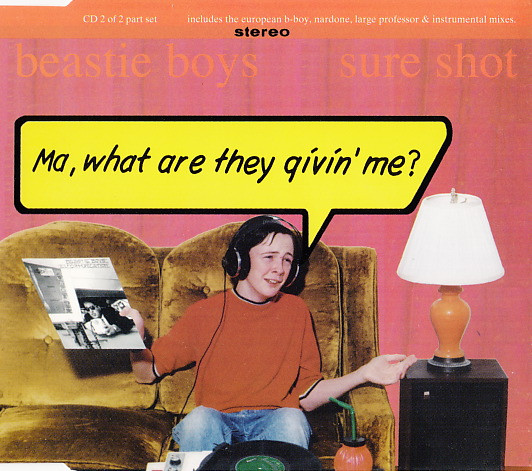
Sure Shot
Beastie Boys · 1994
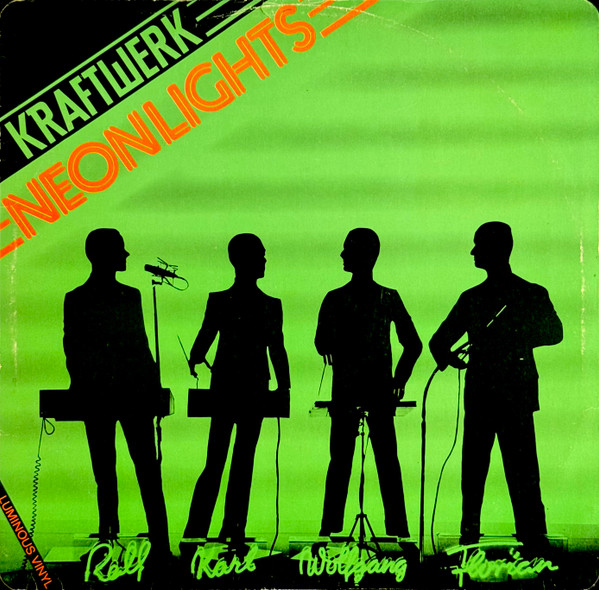
Neon Lights
Kraftwerk · 1978

Plastiks Presents World Travels
Various · 2002
69 Police
David Holmes · 2000
69 Police
David Holmes · 2000

Ain't It Dead Yet?
Skinny Puppy · 1991
Londinium
Archive · 1996
Timeless Grooves For Long Waits
Various · 2003
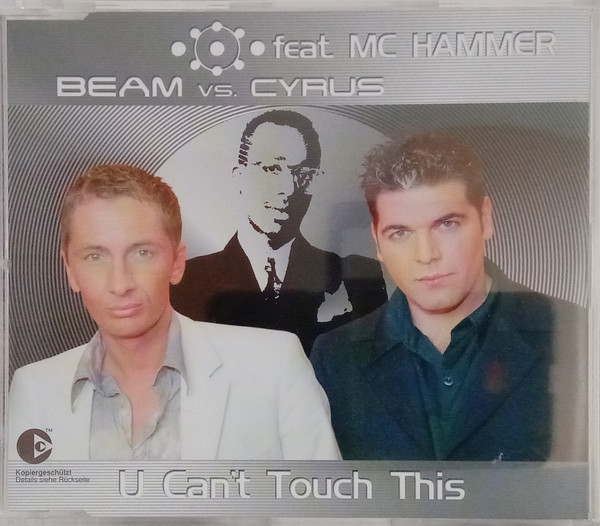
U Can't Touch This
Beam Vs. Cyrus Feat. MC Hammer · 2003
Careful
Horse · 1997

Presents His X-Factor Vol. 1
Richard X · 2003

Give And Take (Extended Re-Mix)
Brass Construction · 1985
Astropioneers (Original Motion Picture Soundtrack)
The Eternals · 2003
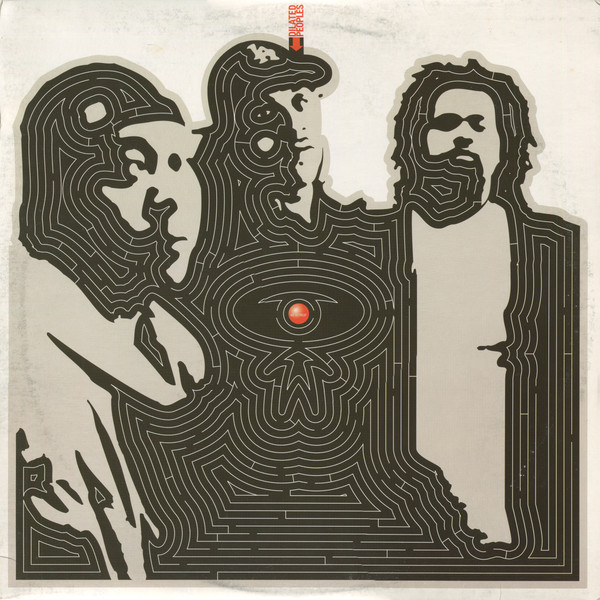
No Retreat
Dilated Peoples · 2000
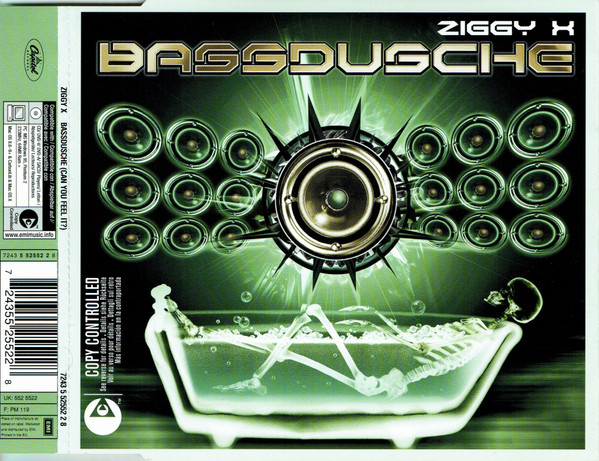
Bassdusche
Ziggy X · 2003
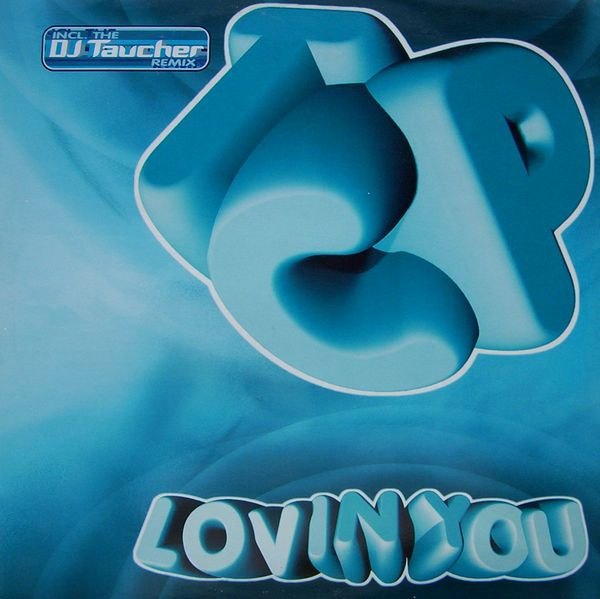
Lovin' You
T.C.P. · 1997
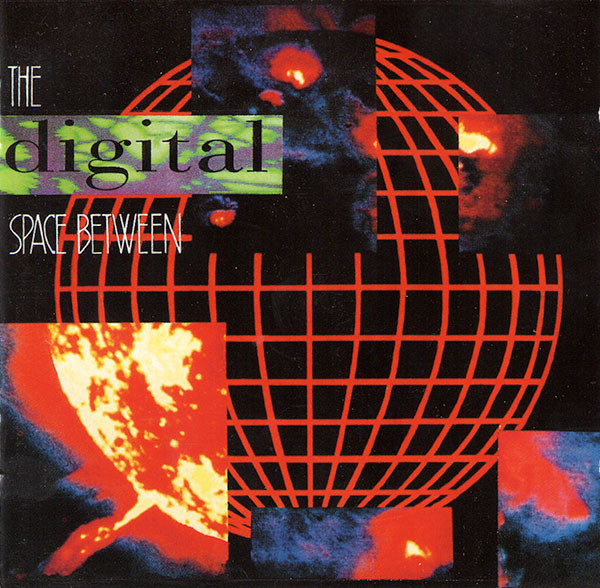
The Digital Space Between
Various · 1994
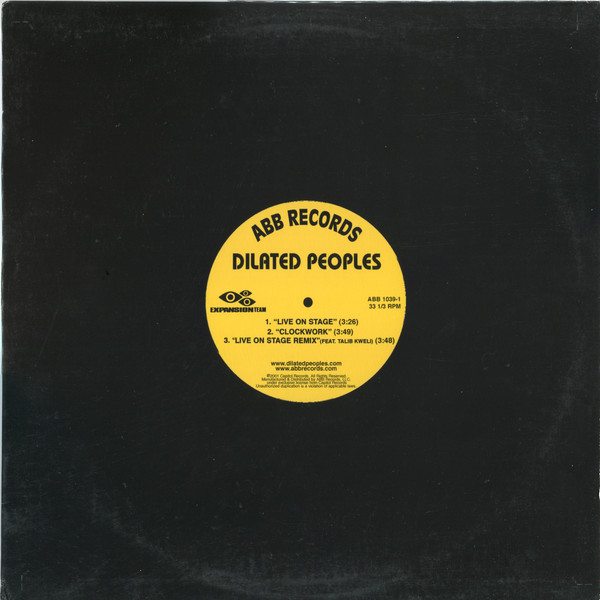
Live On Stage / Clockwork
Dilated Peoples · 2001
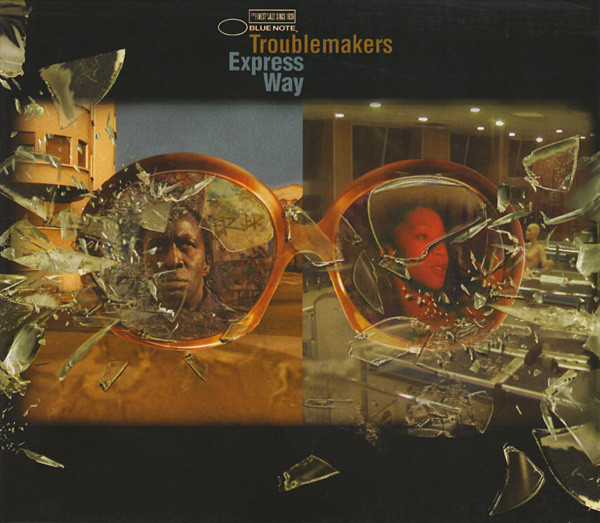
Express Way
Troublemakers · 2004
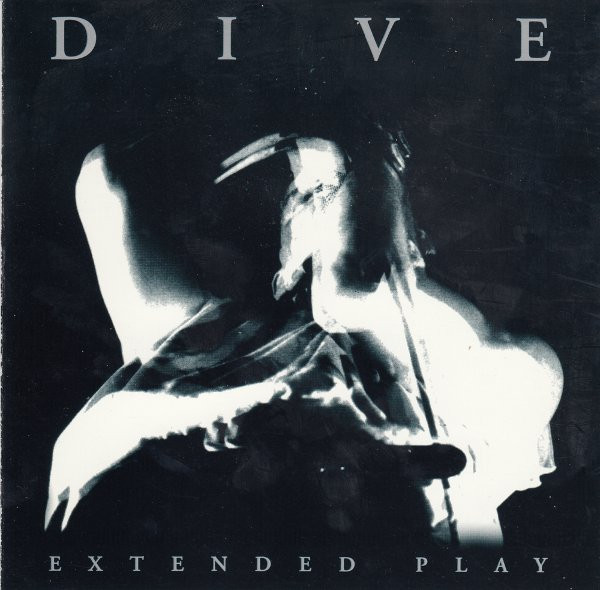
Extended Play
Dive · 1994
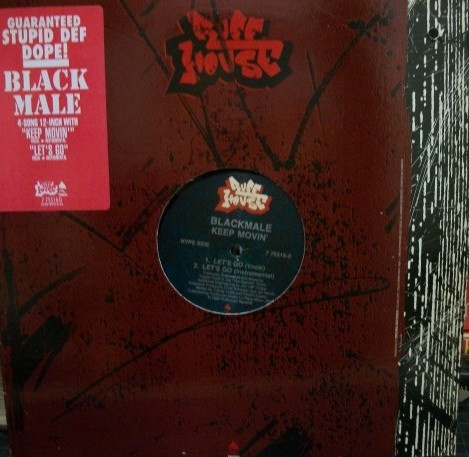
Keep Movin'
Blackmale · 1989
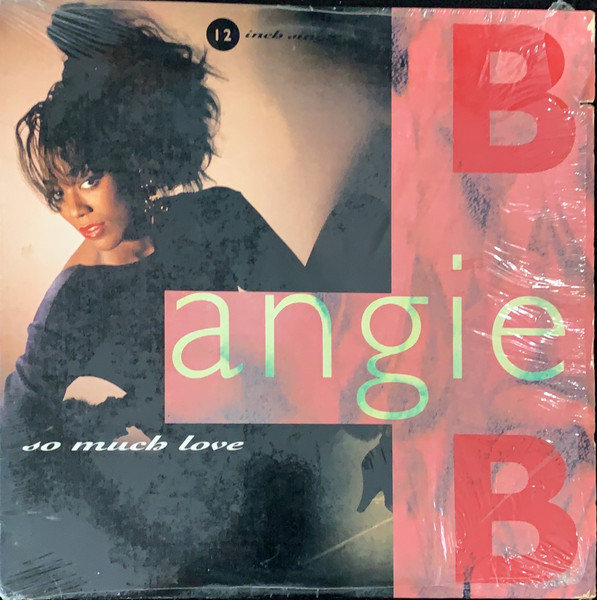
So Much Love
B Angie B · 1991
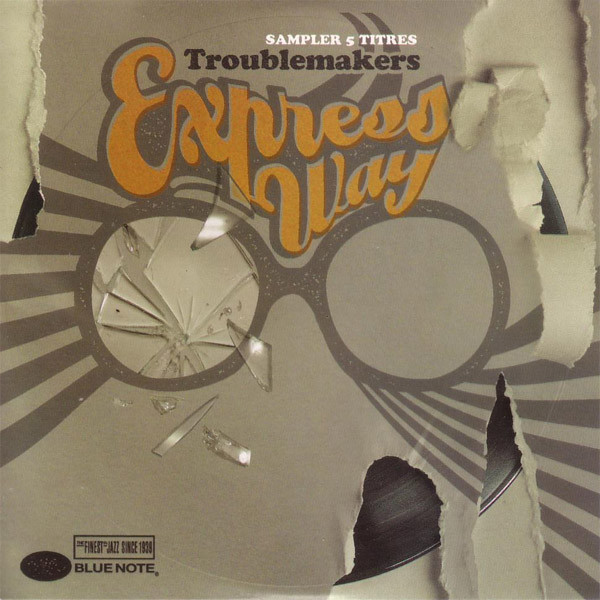
Express Way - Sampler 5 Titres
Troublemakers · 2004
Nettwerk Sound Sampler Volume Two (A Food For Thought)
Various Artists* · 1988
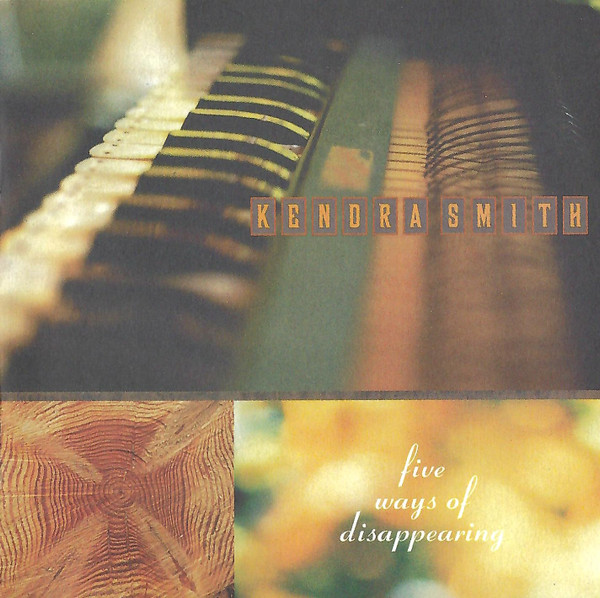
Five Ways Of Disappearing
Kendra Smith · 1995
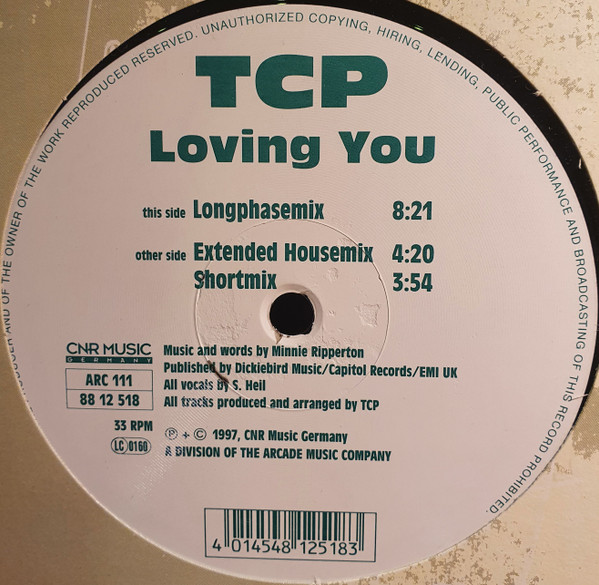
Loving You
TCP* · 1997

Beautiful Child
Madelyne · 2002
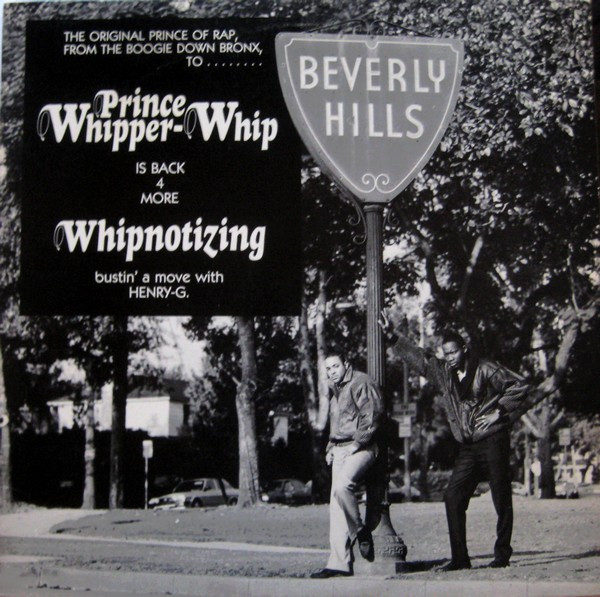
Back 4 More Whipnotizing
Prince Whipper Whip · 1988
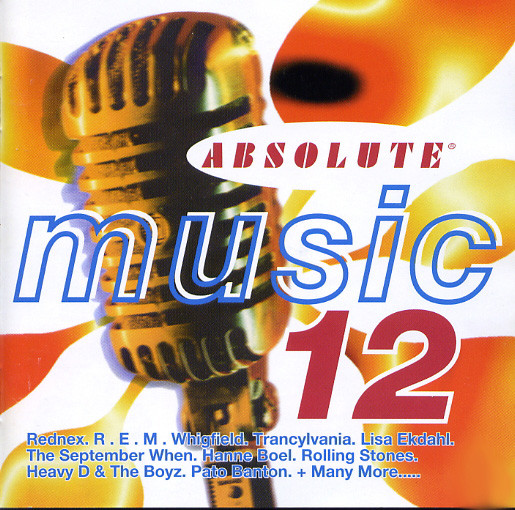
Absolute Music 12
Various · 1994
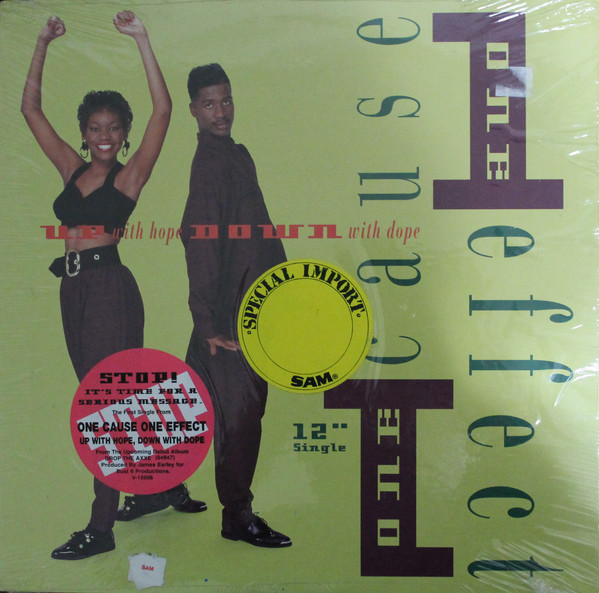
Up With Hope, Down With Dope
One Cause One Effect · 1990
Showing 30 of 215,043 — open Recordz for the full list