 Recordz
About
Hungarian music label.
In the 1990-s an important part of Ring's profile was reissuing well known classic rock, progressive rock etc. albums. Discogs marks many of these releases as Unofficial, although they did follow the Hungarian copyright law of the time, so technically they are not bootleg, pirate, counterfeit releases.
According to the Hungarian copyright law of 1969 every release older than 20 years became public domain. (This was extended to 50 years in 1994 to follow European law, and from 1999 Hungary's copyright law harmonized to EU law regulations in other regards.) Although Hungarian music companies accepted a self-regulating code, Ring did not adhere to that and in the '90-s they used the loophole in copyright law to release classic albums from a wide array of classic pop and rock artists from ABBA to Yes. Their releases had the BIEM Artisjus' logo and SID codes indicating that they are official releases, despite the fact that even then many would consider their practice as unethical. This practice lasted until 1999-2000, when it became punishable by law.
It is important to point out that Ring did not only operate as a company releasing budget, but they also issued some contemporary Hungarian artists as well.
In the 1990-s an important part of Ring's profile was reissuing well known classic rock, progressive rock etc. albums. Discogs marks many of these releases as Unofficial, although they did follow the Hungarian copyright law of the time, so technically they are not bootleg, pirate, counterfeit releases.
According to the Hungarian copyright law of 1969 every release older than 20 years became public domain. (This was extended to 50 years in 1994 to follow European law, and from 1999 Hungary's copyright law harmonized to EU law regulations in other regards.) Although Hungarian music companies accepted a self-regulating code, Ring did not adhere to that and in the '90-s they used the loophole in copyright law to release classic albums from a wide array of classic pop and rock artists from ABBA to Yes. Their releases had the BIEM Artisjus' logo and SID codes indicating that they are official releases, despite the fact that even then many would consider their practice as unethical. This practice lasted until 1999-2000, when it became punishable by law.
It is important to point out that Ring did not only operate as a company releasing budget, but they also issued some contemporary Hungarian artists as well.
Catalog
390 releases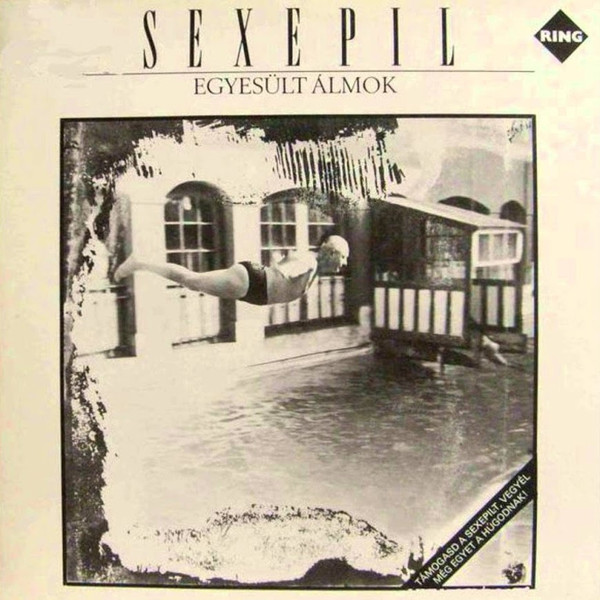
Egyesült Álmok
Sexepil · 1988
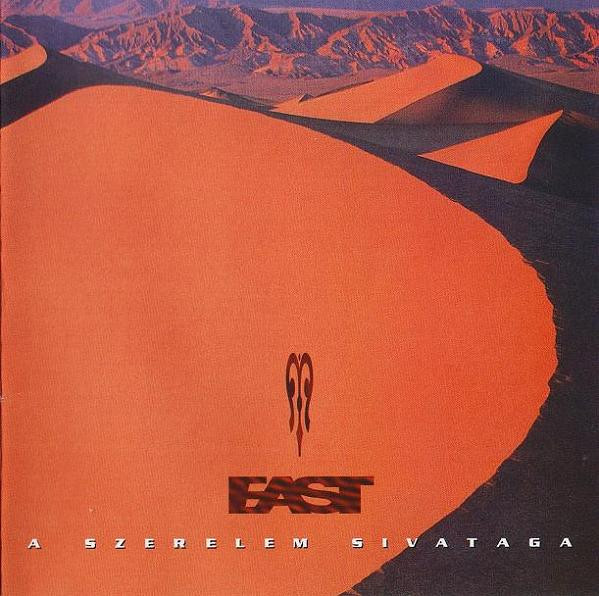
A Szerelem Sivataga
EAST · 1994
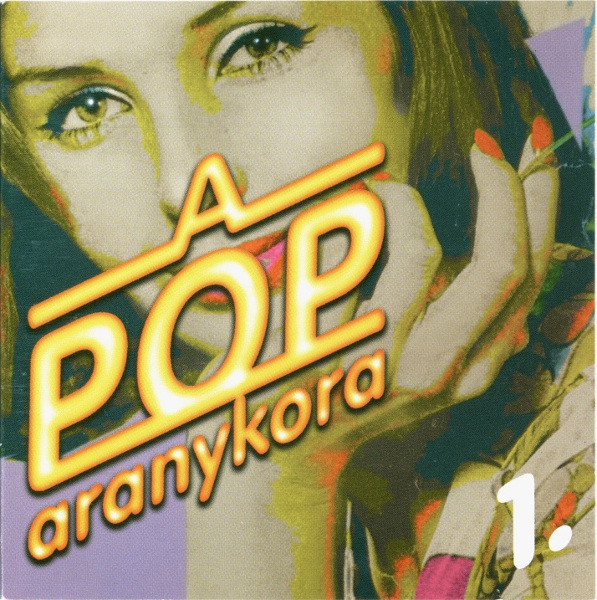
A Pop Aranykora 1.
Various · 1998
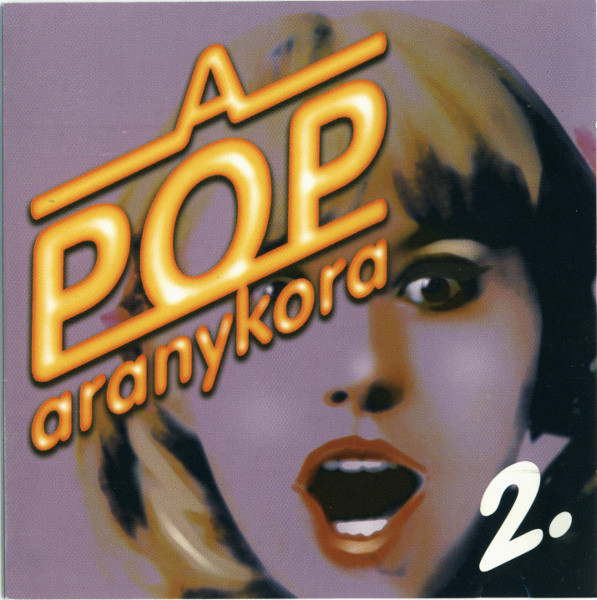
A Pop Aranykora 2.
Various · 1998
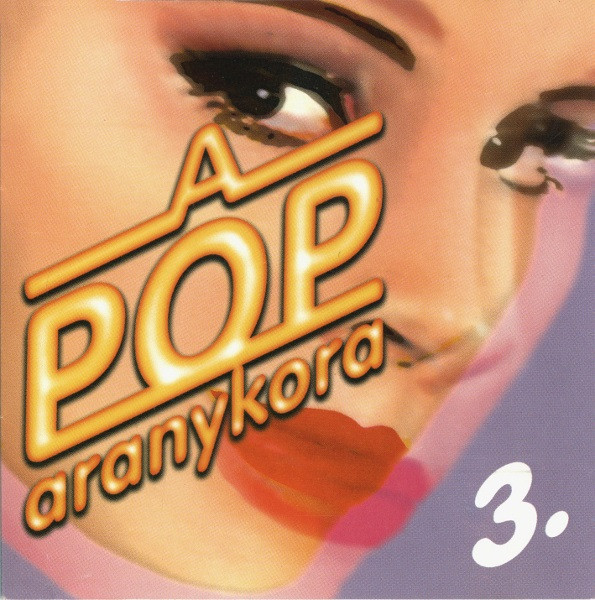
A Pop Aranykora 3.
Various · 1998
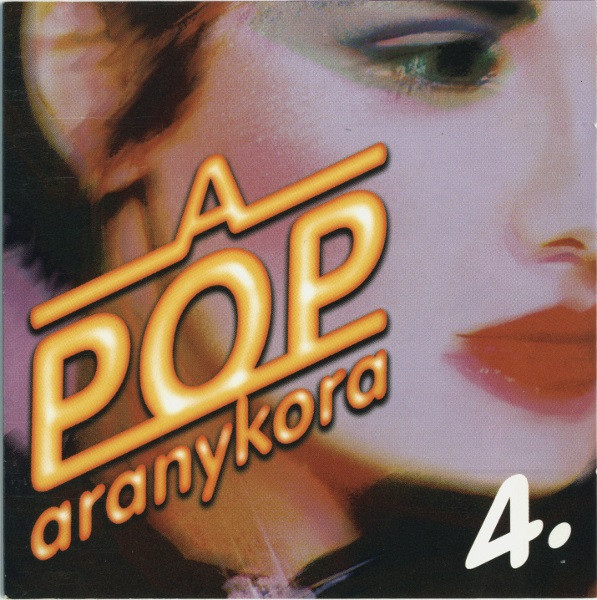
A Pop Aranykora 4.
Various · 1998
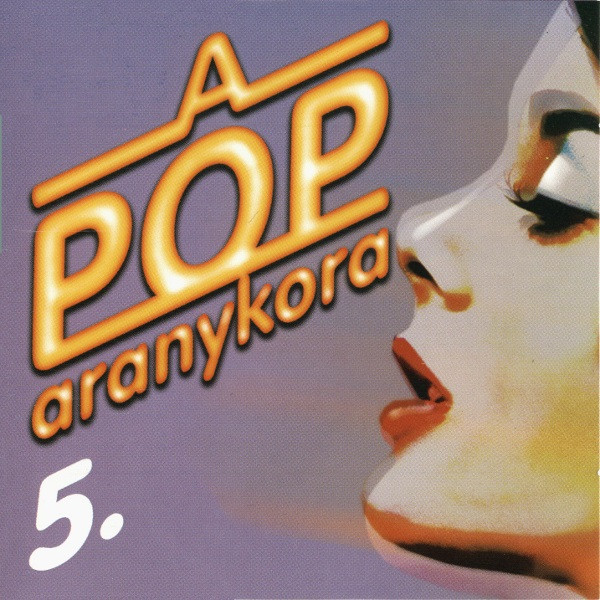
A Pop Aranykora 5.
Various · 1998
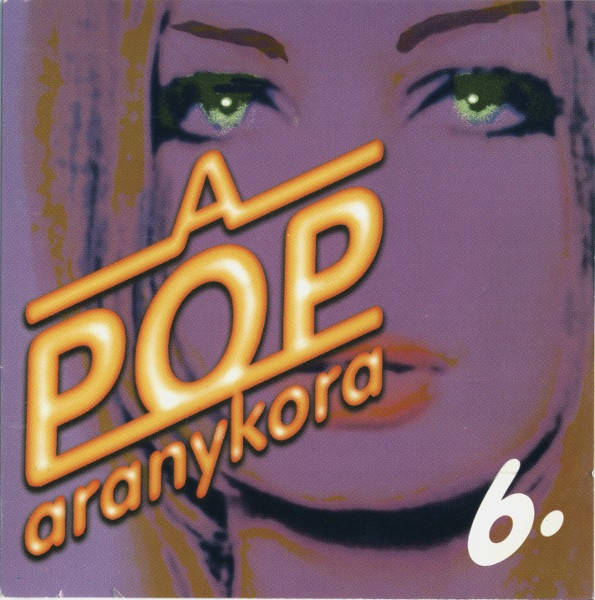
A Pop Aranykora 6.
Various · 1998
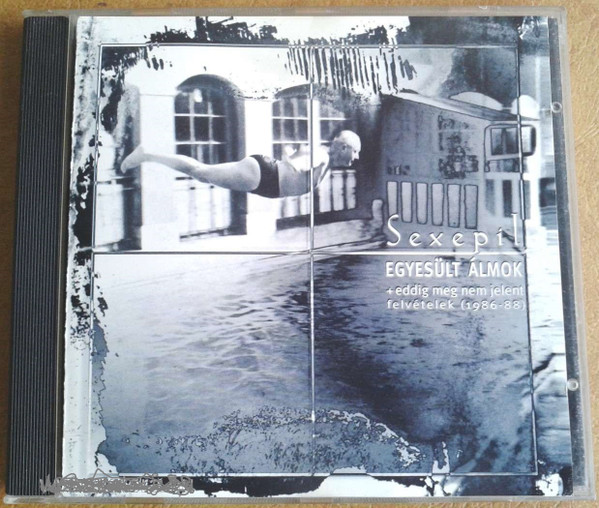
Egyesült Álmok
Sexepil · 1997
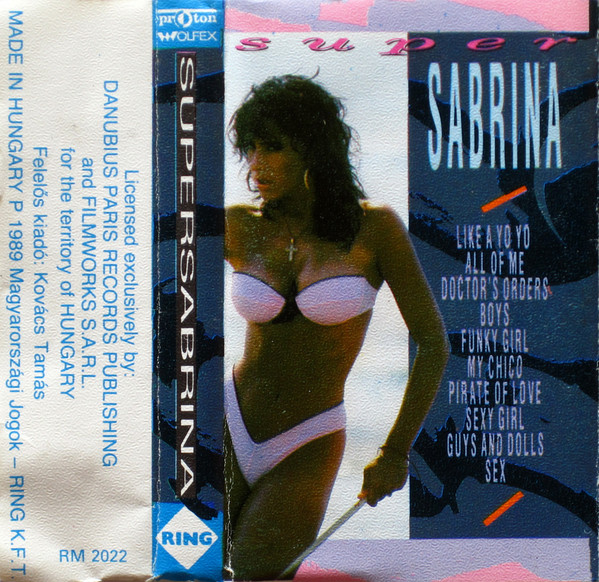
Super Sabrina
Sabrina · 1989
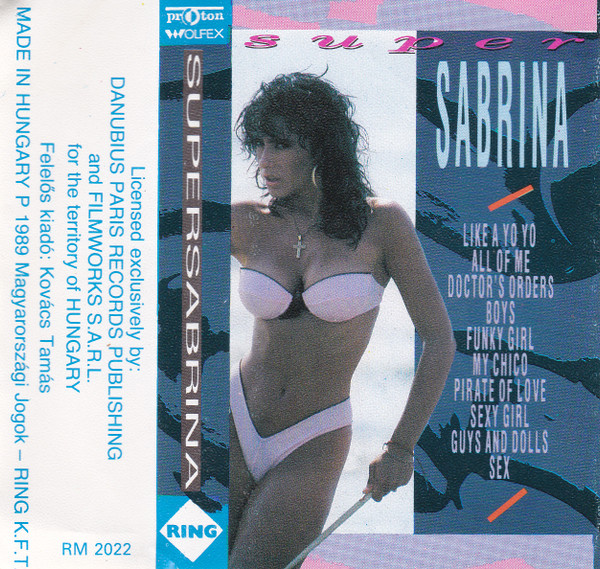
Super Sabrina
Sabrina · 1989
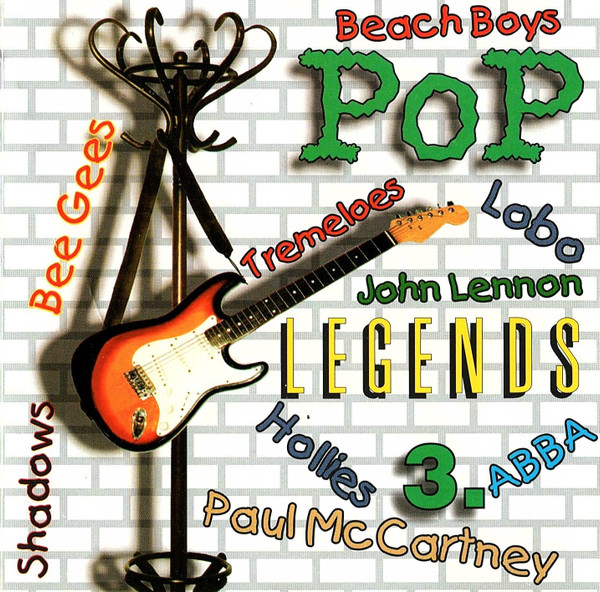
Pop Legends 3.
Various
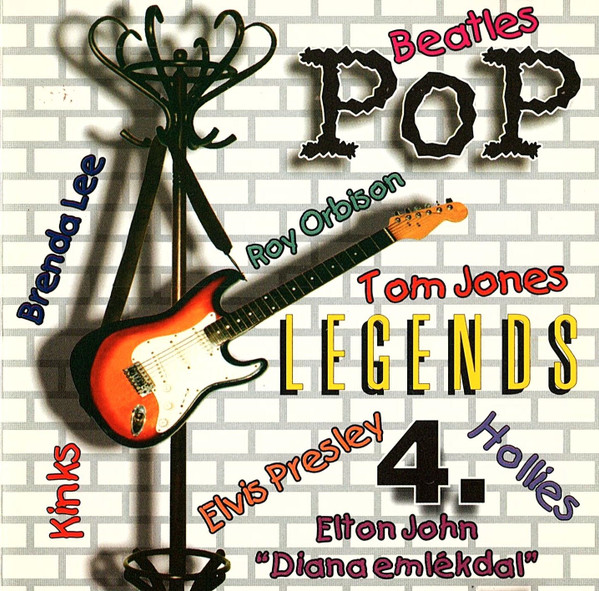
Pop Legends 4
Various
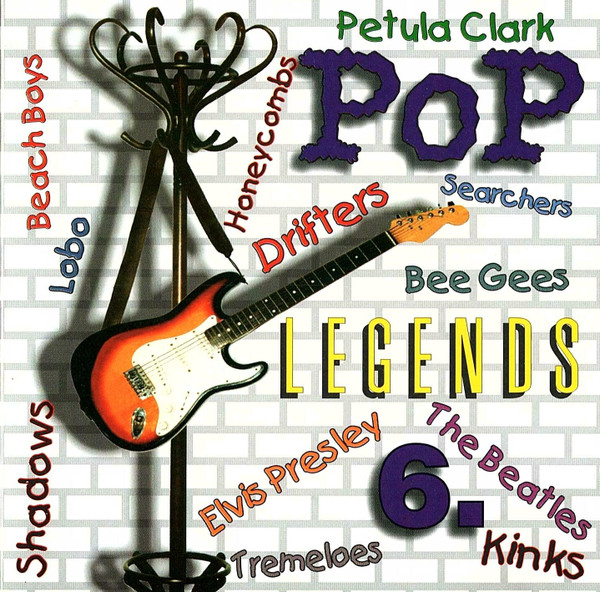
Pop Legends 6
Various
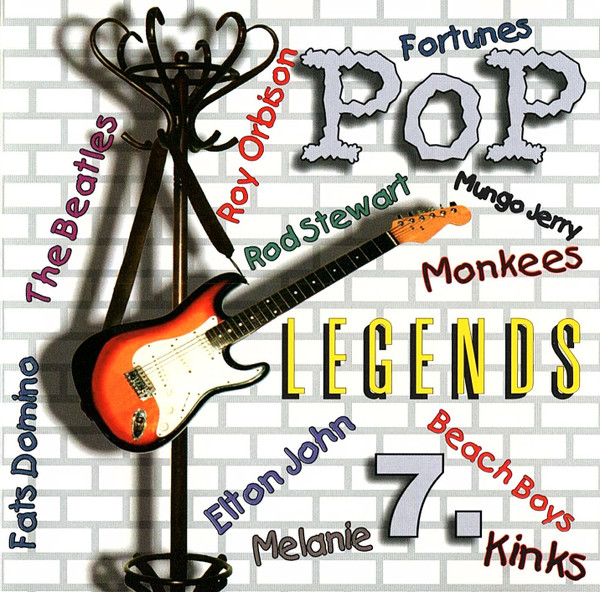
Pop Legends 7
Various
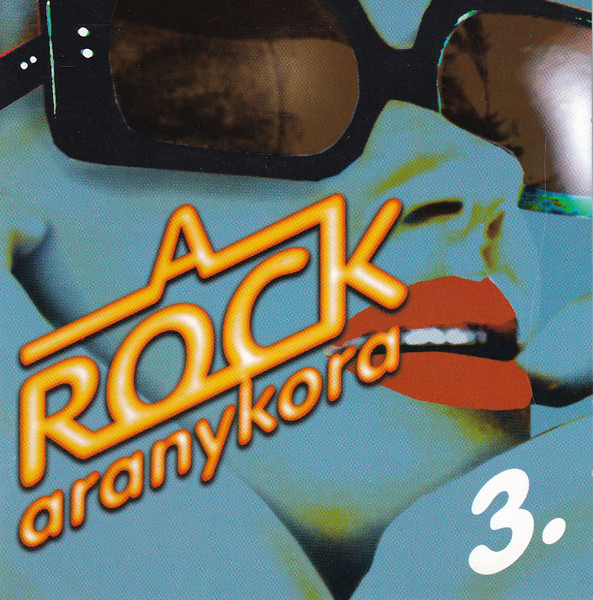
A Rock Aranykora 3.
Various · 1998
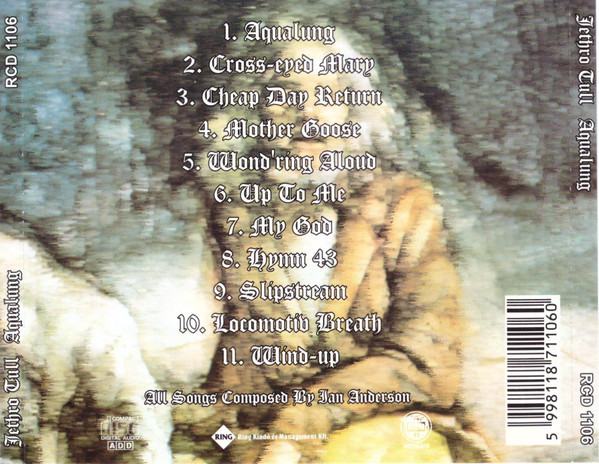
Aqualung
Jethro Tull
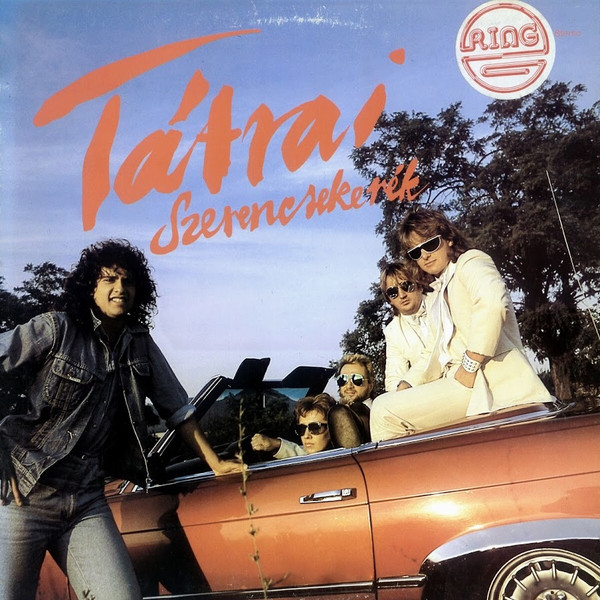
Szerencsekerék
Tátrai* · 1987

Idegenek Az Édenben
Mandoki* · 1989

A Betlehemi Csillag Üzenete - Karácsonyi Profán Kantáta
Kormorán · 1989
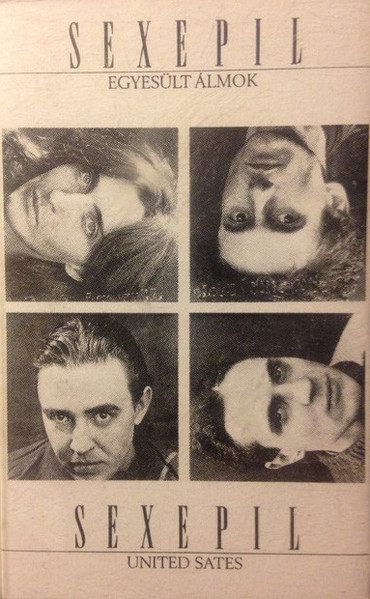
Egyesült Álmok
Sexepil · 1988
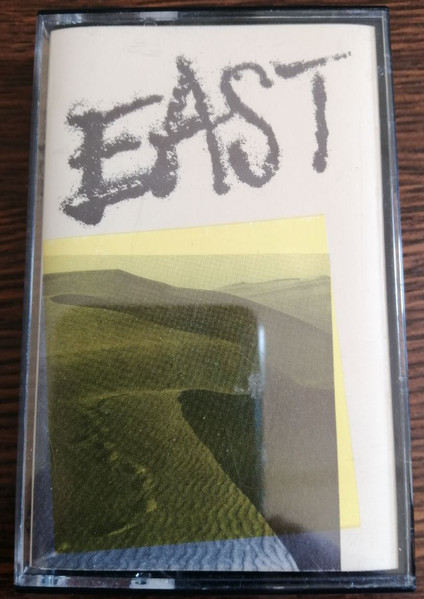
A Szerelem Sivataga
EAST · 1988
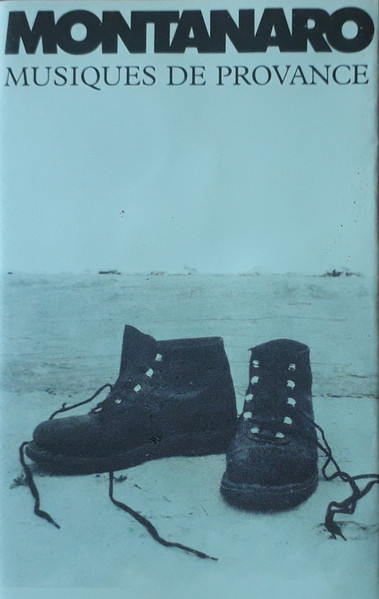
Musiques De Provance
Miquèu Montanaro · 1989
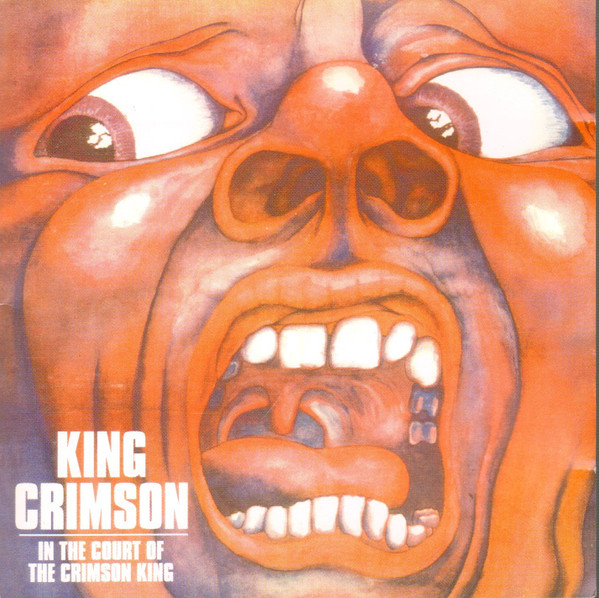
In The Court Of The Crimson King
King Crimson · 1995

Let It Be
The Beatles · 1995
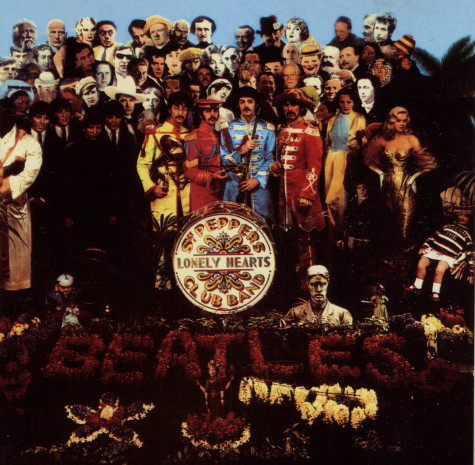
Sgt. Pepper's Lonely Hearts Club Band
The Beatles · 1995
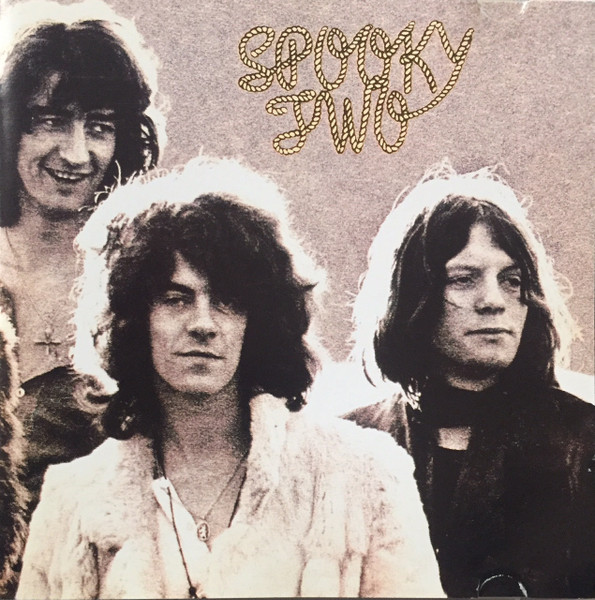
Spooky Two
Spooky Tooth · 1995
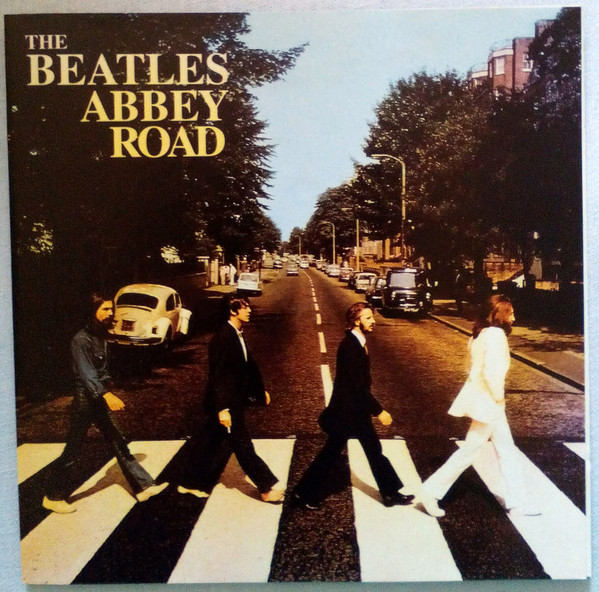
Abbey Road
The Beatles · 1995
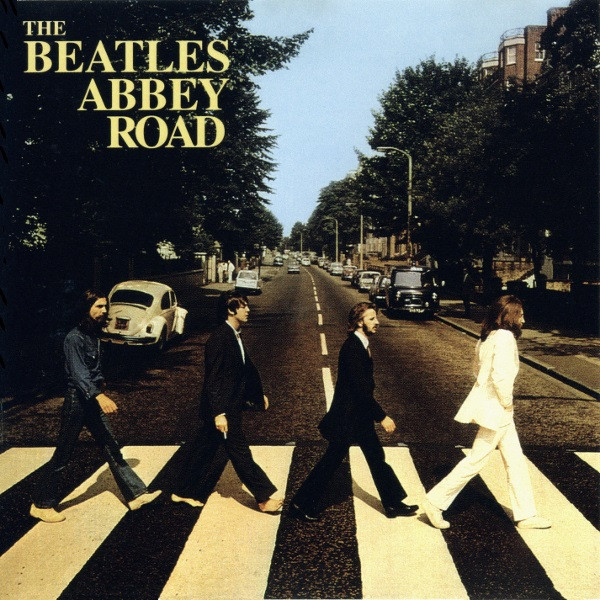
Abbey Road
The Beatles · 1995
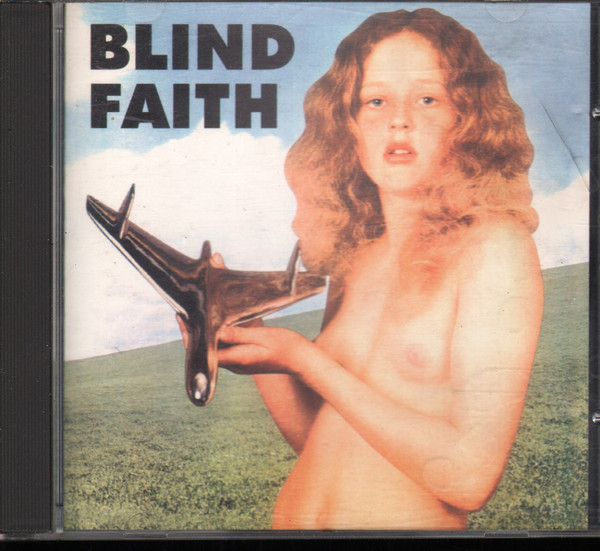
Blind Faith
Blind Faith
Showing 30 of 390 — open Recordz for the full list