 Recordz
About
Label associated with / since 1967. The trademark has also been used as a series on LPs released by / (since 1969)
Do not confuse with the series .
For unofficial releases, please use Starline (2).
Please note that many Starline releases also carry an EMI logo. EMI should not be added as a label, however, as this merely indicates that Starline was part of the EMI Group.
The below refers to the US Starline releases only:
In the US, Starline albums bore their original catalog numbers, and at first the original covers were merely stamped with an embossed Star Line logo. Later LP releases would have the Star Line logo printed directly onto the covers. The series featured releases that had been popular and worth keeping in their active catalog but were not marketed at the full album price.
The original Star Line label was metallic gold with black print. The Capitol logo appears in the upper left with eight spires or rays extending from it. The words "THE STAR LINE" appear above the catalog number. In 1962, Capitol changed the design to a black background label with silver print. The placement of the logo and printing remained the same as in the earlier design. In 1967, Capitol created a new design, a red and white target label. The Star Line logo was also changed to feature a smaller star placed below and between the words Star Line. In 1969, the Star Line label was changed, the new design featured a large star on the label. The logo remained the same but the design did not work well for 45's; therefore, it was used on albums only. This design was kept active until November 1972. It was then that Capitol redesigned all single and album labels. The new Star Line design was a gold label. However, due to inconsistencies in print, the gold label is often erroneously referred to as a tan label or avocado green.
In March, 1978, Capitol returned to using its dome logo. Star Line labels after this date are quite scarce. In November, 1981, Capitol changed the label backdrops for all Star Line records to blue. With the introduction of the yellow budget label around 1975, Capitol slowly phased out the use of the Star Line for LP releases. Before 1983, the decision was made to eliminate it altogether. A few existing releases were kept in print on the blue Star Line label. By that time, most budget albums were in print on Capitol's green budget label. The Star Line label would exist for singles only, and the no special label backdrops were created for Star Line labels after 1983. Star Line singles were in the 6000 series. Some of the Star Line singles were "back to back hits". For label designs for singles, refer to label links for specific details.
US 45s:
White/red target labels: 1967~69
Gold labels + new Capitol logo: 1969~78
Gold labels + old Capitol logo: 1978~81
Blue or Black or Purple labels + catalog number including prefix "X-": 1981~
Green labels: see
Do not confuse with the series .
For unofficial releases, please use Starline (2).
Please note that many Starline releases also carry an EMI logo. EMI should not be added as a label, however, as this merely indicates that Starline was part of the EMI Group.
The below refers to the US Starline releases only:
In the US, Starline albums bore their original catalog numbers, and at first the original covers were merely stamped with an embossed Star Line logo. Later LP releases would have the Star Line logo printed directly onto the covers. The series featured releases that had been popular and worth keeping in their active catalog but were not marketed at the full album price.
The original Star Line label was metallic gold with black print. The Capitol logo appears in the upper left with eight spires or rays extending from it. The words "THE STAR LINE" appear above the catalog number. In 1962, Capitol changed the design to a black background label with silver print. The placement of the logo and printing remained the same as in the earlier design. In 1967, Capitol created a new design, a red and white target label. The Star Line logo was also changed to feature a smaller star placed below and between the words Star Line. In 1969, the Star Line label was changed, the new design featured a large star on the label. The logo remained the same but the design did not work well for 45's; therefore, it was used on albums only. This design was kept active until November 1972. It was then that Capitol redesigned all single and album labels. The new Star Line design was a gold label. However, due to inconsistencies in print, the gold label is often erroneously referred to as a tan label or avocado green.
In March, 1978, Capitol returned to using its dome logo. Star Line labels after this date are quite scarce. In November, 1981, Capitol changed the label backdrops for all Star Line records to blue. With the introduction of the yellow budget label around 1975, Capitol slowly phased out the use of the Star Line for LP releases. Before 1983, the decision was made to eliminate it altogether. A few existing releases were kept in print on the blue Star Line label. By that time, most budget albums were in print on Capitol's green budget label. The Star Line label would exist for singles only, and the no special label backdrops were created for Star Line labels after 1983. Star Line singles were in the 6000 series. Some of the Star Line singles were "back to back hits". For label designs for singles, refer to label links for specific details.
US 45s:
White/red target labels: 1967~69
Gold labels + new Capitol logo: 1969~78
Gold labels + old Capitol logo: 1978~81
Blue or Black or Purple labels + catalog number including prefix "X-": 1981~
Green labels: see
Sub-labels
Catalog
2,858 releases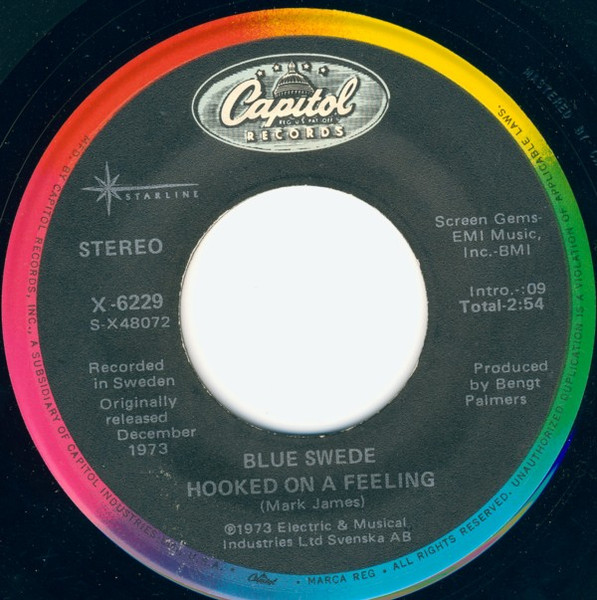
Hooked On A Feeling / Never My Love
Blue Swede
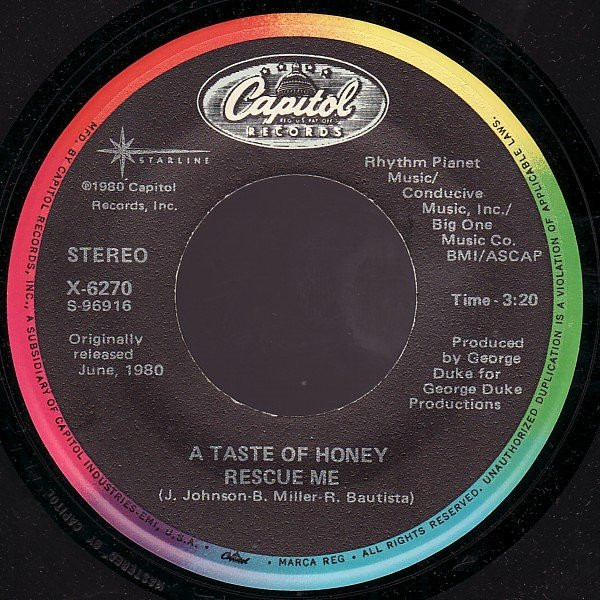
Boogie Oogie Oogie / Rescue Me
A Taste Of Honey
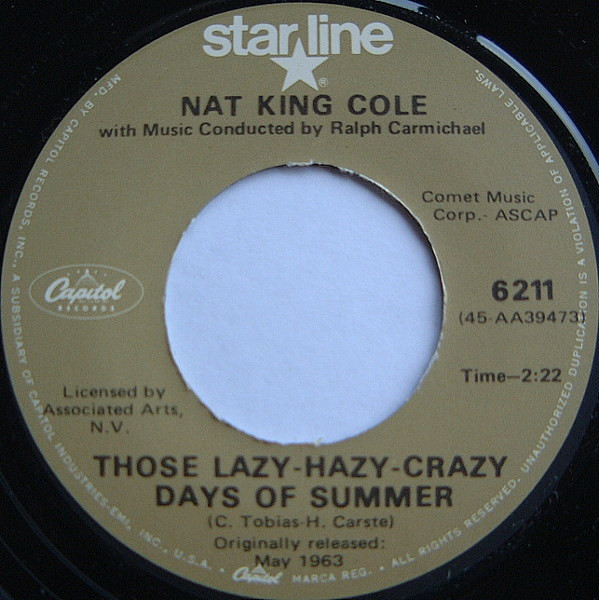
Those Lazy-Hazy-Crazy Days Of Summer / That Sunday, That Summer
Nat King Cole
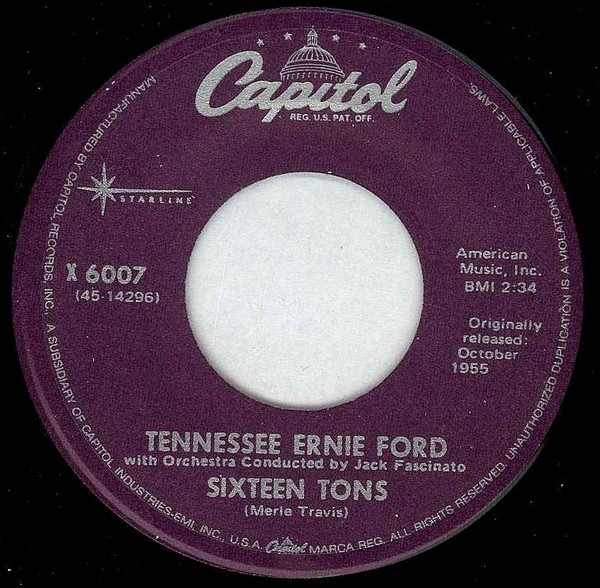
Sixteen Tons
Tennessee Ernie Ford
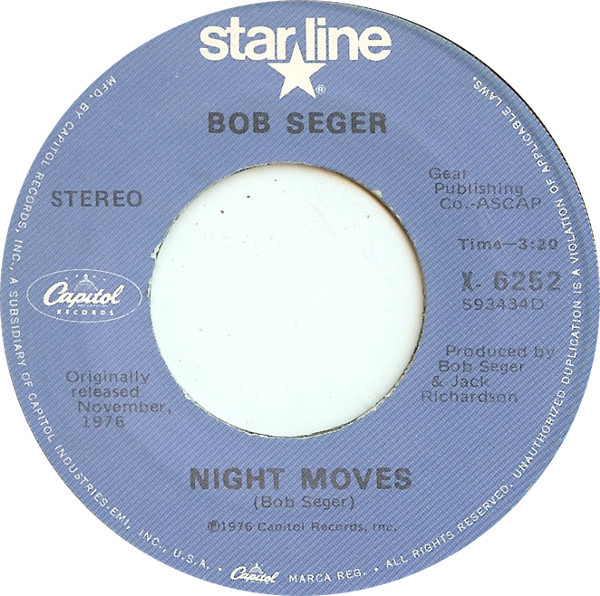
Night Moves / Mainstreet
Bob Seger
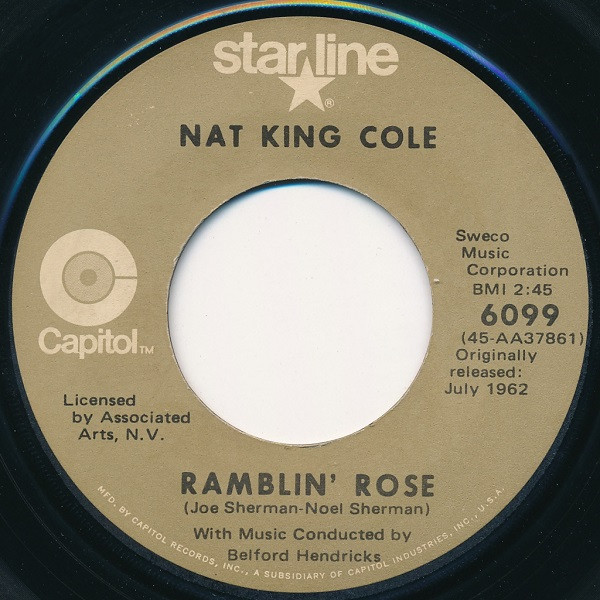
Ramblin' Rose / The Good Times
Nat King Cole
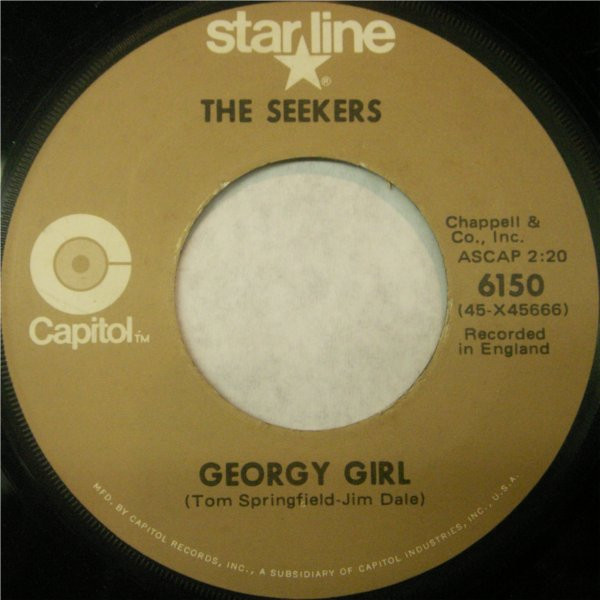
Georgy Girl / I'll Never Find Another You
The Seekers
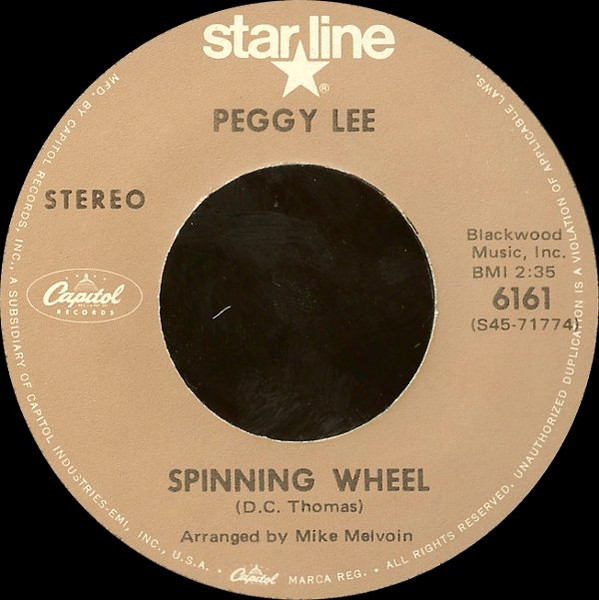
Spinning Wheel / Is That All There Is
Peggy Lee
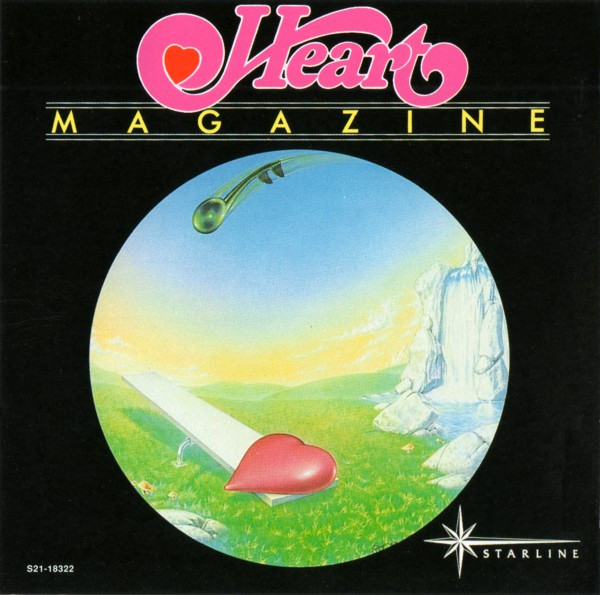
Magazine
Heart · 1995
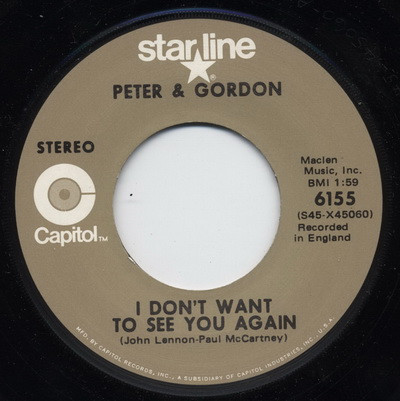
I Don't Want To See You Again / Woman
Peter & Gordon
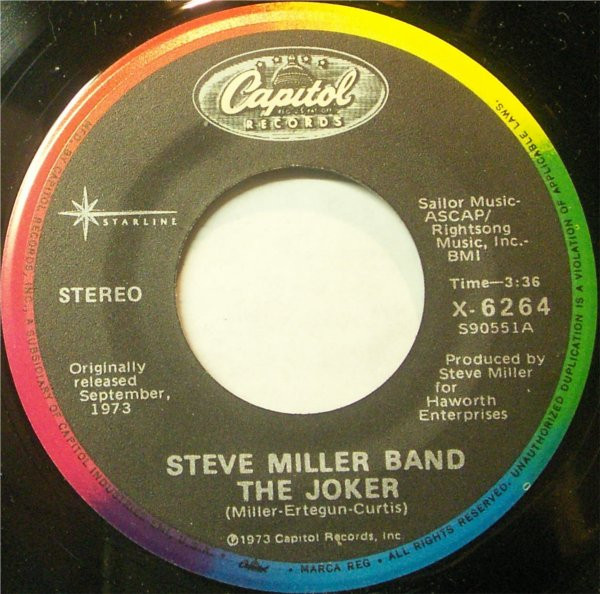
The Joker / Rock'n Me
Steve Miller Band

Snowbird / Put Your Hand In The Hand
Anne Murray · 1988
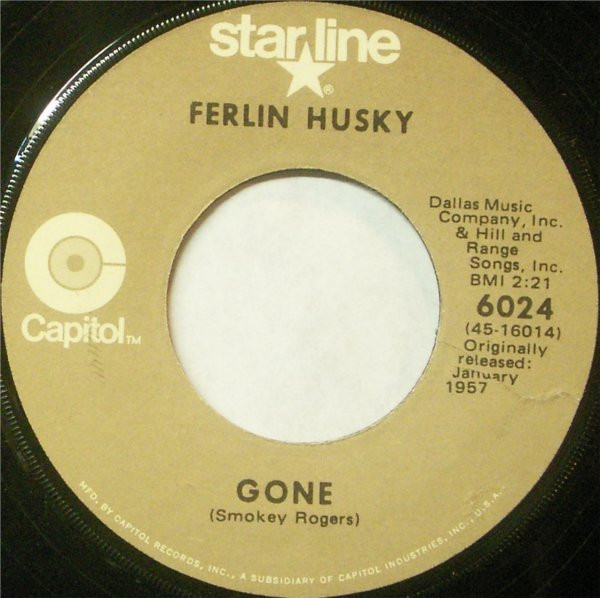
Gone / Wings Of A Dove
Ferlin Husky
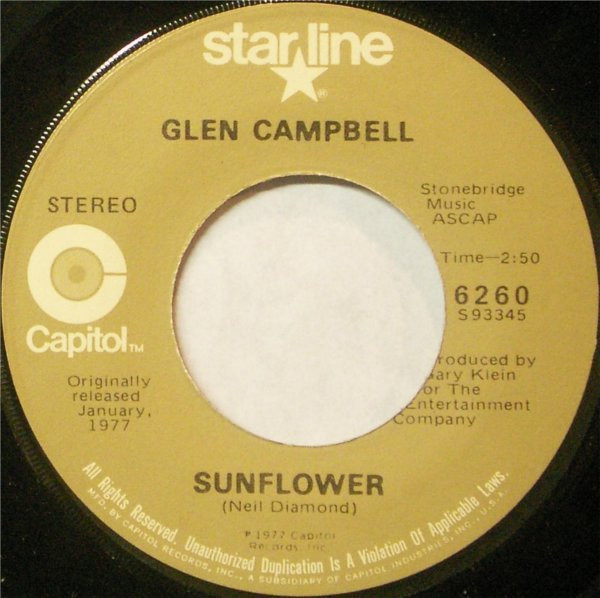
Sunflower / Southern Nights
Glen Campbell
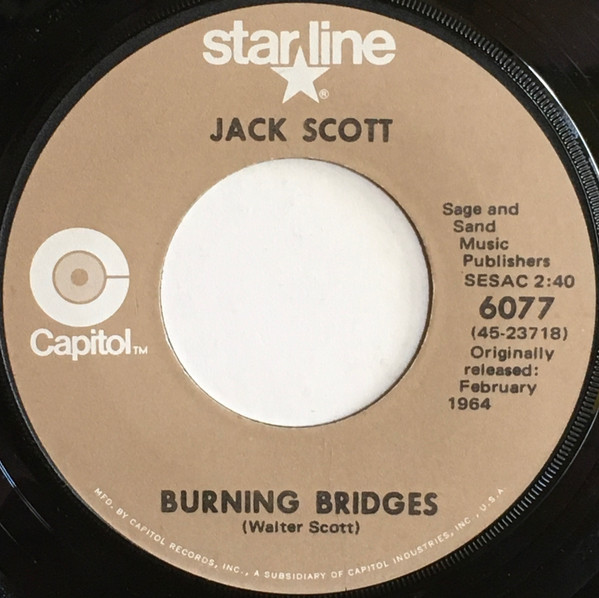
Burning Bridges / What In The World's Come Over You
Jack Scott · 1972
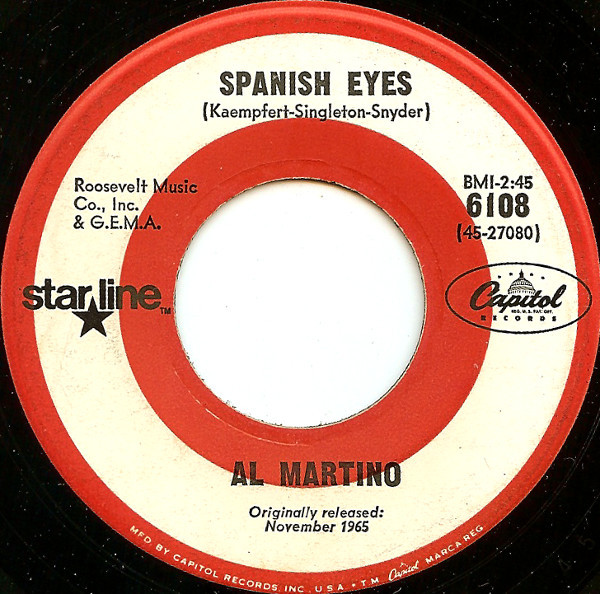
Spanish Eyes / Melody Of Love
Al Martino
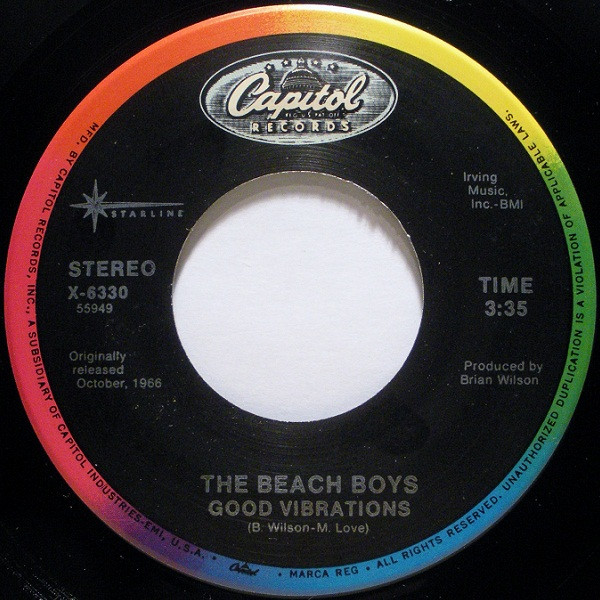
Good Vibrations / Wouldn't It Be Nice
The Beach Boys · 1983
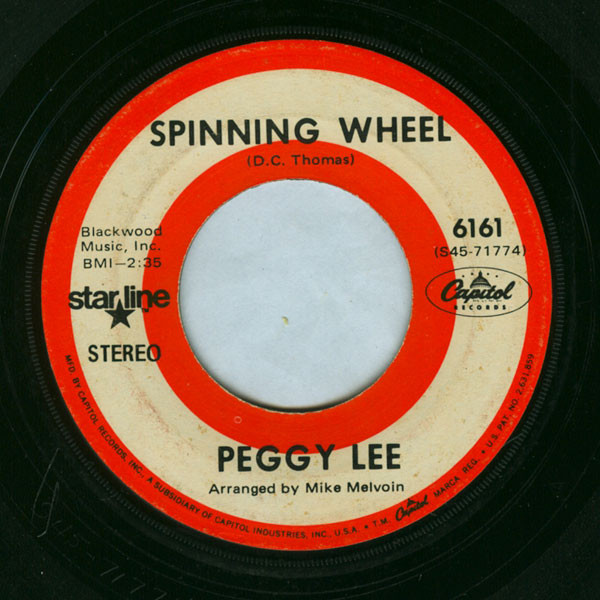
Spinning Wheel / Is That All There Is
Peggy Lee · 1970
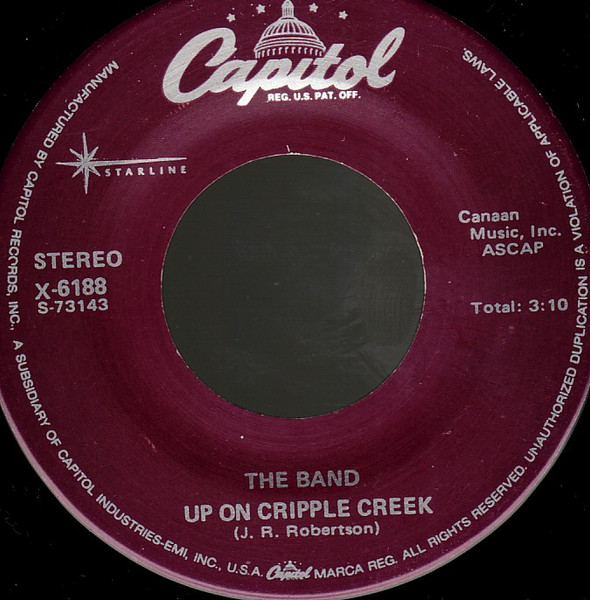
Up On Cripple Creek
The Band
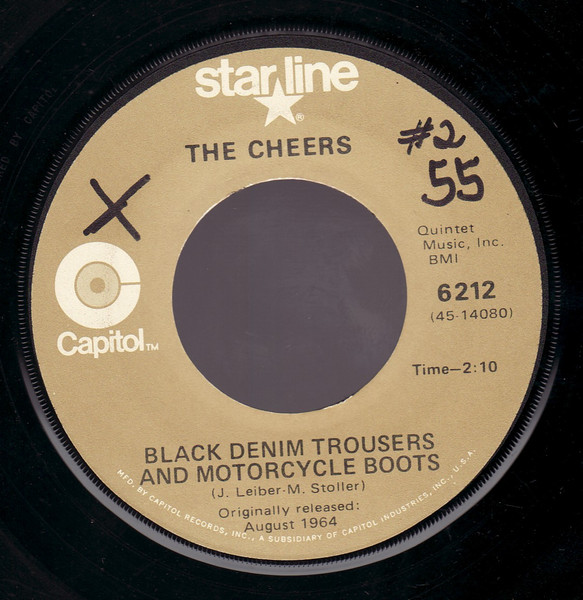
Black Denim Trousers And Motorcycle Boots / Bazoom (I Need Your Loving)
The Cheers · 1984
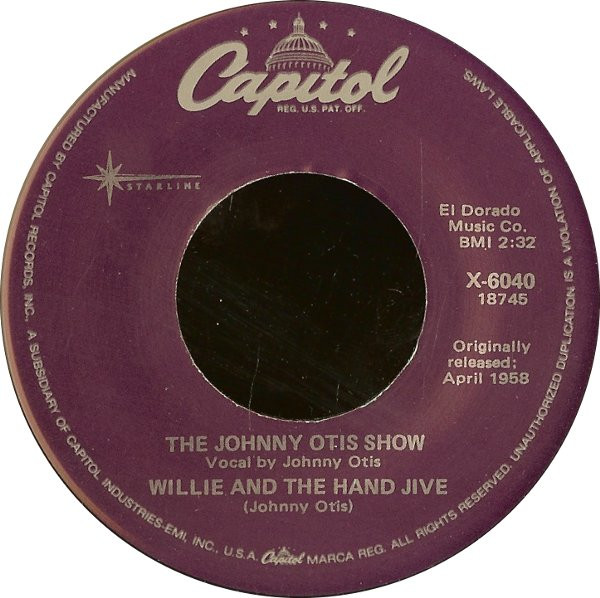
Willie And The Hand Jive / Willie Did The Cha Cha
The Johnny Otis Show
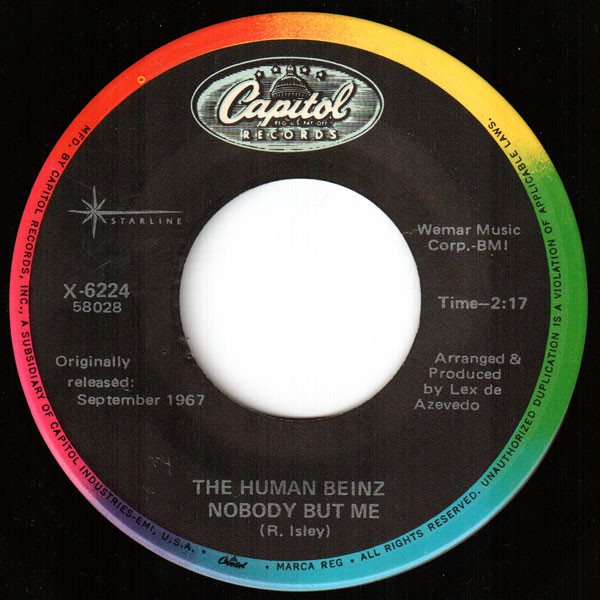
Nobody But Me / I Love You
The Human Beinz / People · 1986
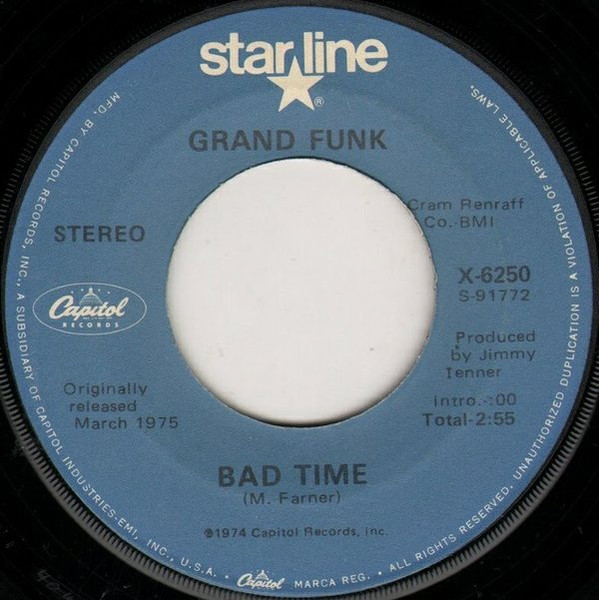
Bad Time
Grand Funk*
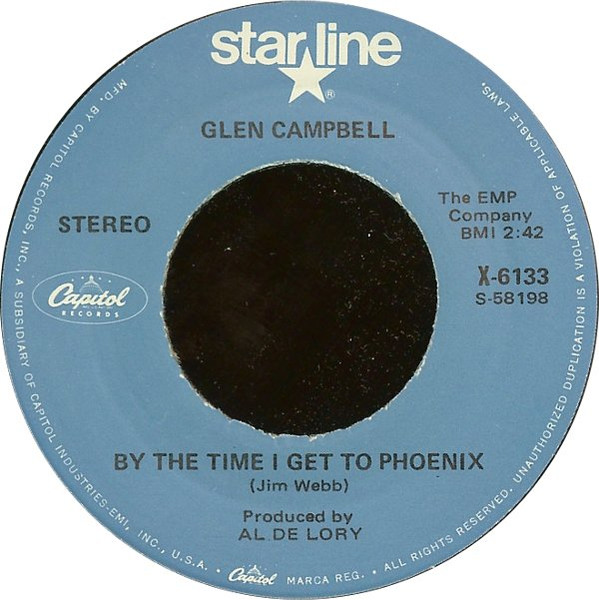
By The Time I Get To Phoenix / Hey Little One
Glen Campbell
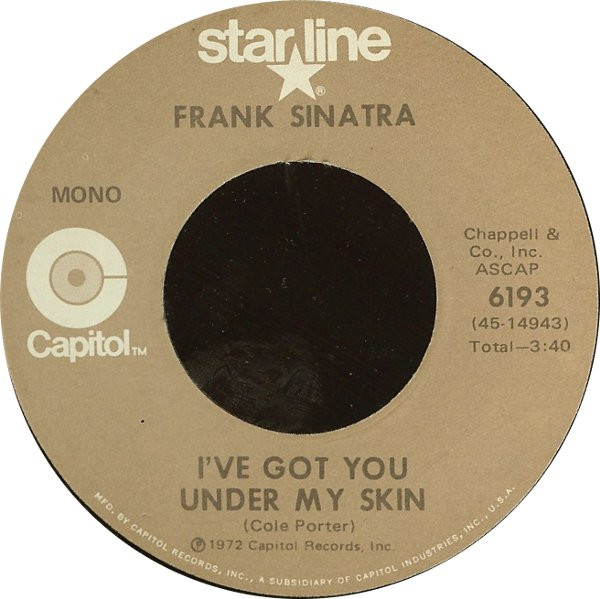
I've Got You Under My Skin / One For My Baby (And One More For The Road)
Frank Sinatra · 1972
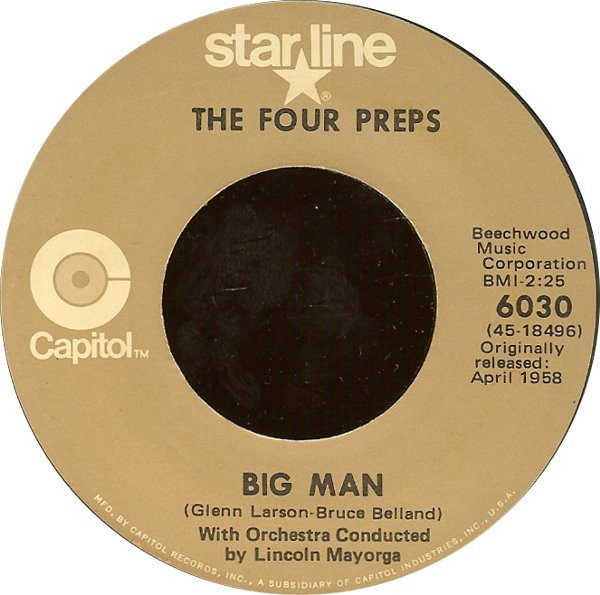
26 Miles (Santa Catalina) / Big Man
The Four Preps
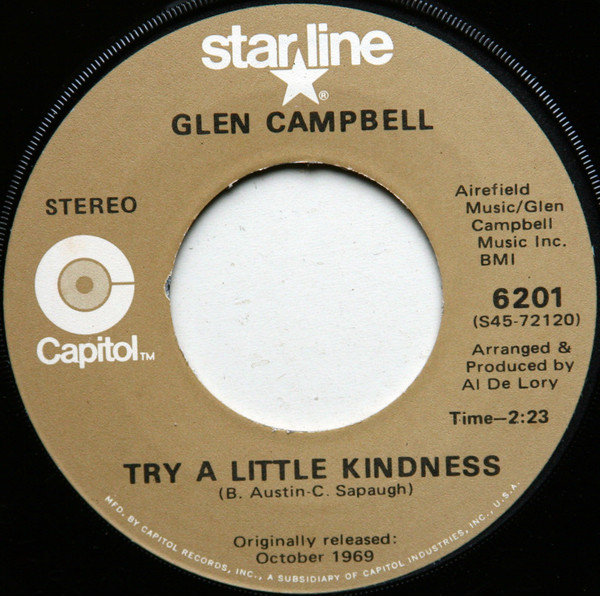
Try A Little Kindness / It's Only Make Believe
Glen Campbell
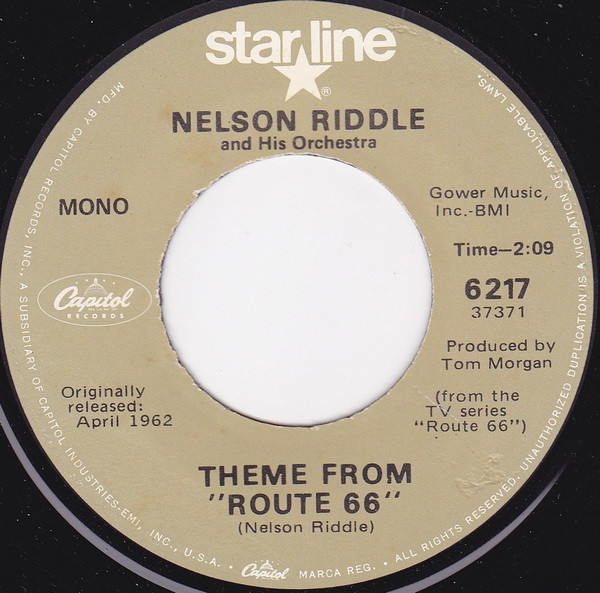
Theme From "Route 66"
Nelson Riddle
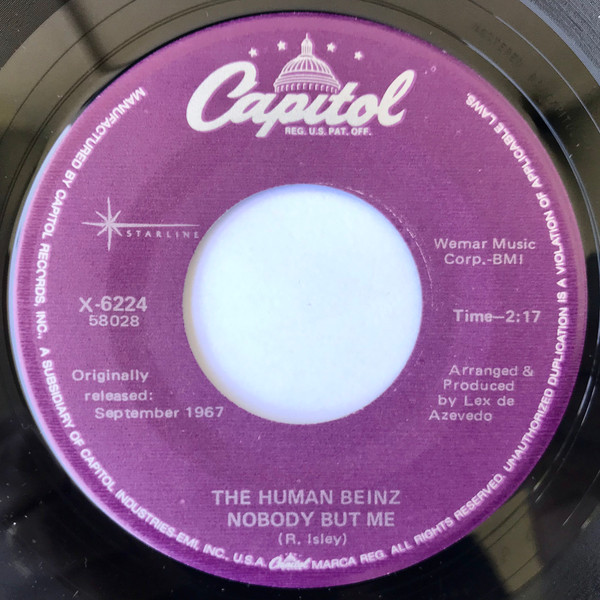
Nobody But Me / I Love You
The Human Beinz / People
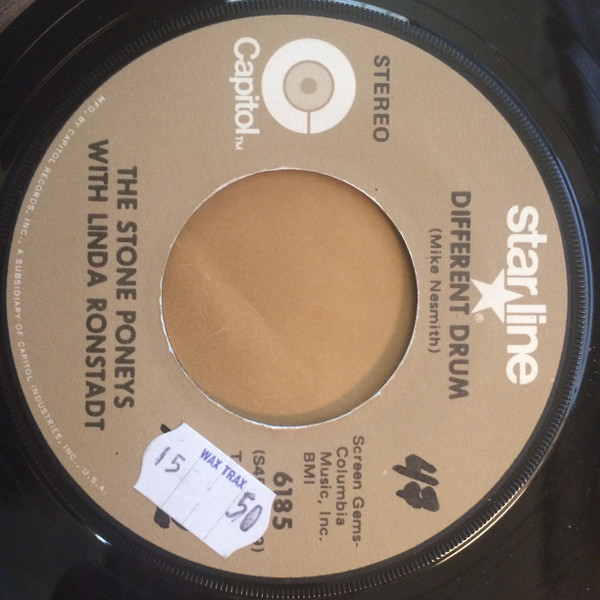
Different Drum
Stone Poneys*
Showing 30 of 2,858 — open Recordz for the full list