 Recordz
About
Also appears as "RCA Victor Records".
The change of logo occurred in 1968.
The RCA Victor brand was introduced in 1945 in advertising and 1946 on actual record labels, where it replaced the Victor and Bluebird (3) brands. Until then, on records, the RCA Victor division of the Radio Corporation of America only used the Victor brand, which was acquired in the Victor Talking Machine Co. takeover in 1929.
During its lifespan, the RCA Victor brand has undergone many design adjustments. The latest one was created in 2010 for French releases, by Sony Music Classique & Jazz.
For all Unofficial / Bootleg releases of this label please use .
In late 1945, RCA introduced vinyl 12" records to consumers as part of the ' line, following the release of similar V-disc releases for the military during WWII.
RCA Victor introduced their stereo phonographs, stereo disks and stereo tape in June 1958. Stereo 45 singles were also introduced in 1958. Stereo tape cartridges were introduced in September 1958. Stereo-only recordings from 1958–1960 were the 8500 series 61-85xx. 1958–1961 recordings with both Mono and Stereo releases were the 7000 series, 61-7xxx for stereo and 47-7xxx for the mono counterpart. The 45 rpm stereo format was discontinued in favor of the 7" 33 1/3 rpm, which was introduced in 1959, and used 1959–1964. RCA & RCA Victor CDs debuted in October 1983.
In September 1965, Ford Motor Company introduced factory-installed and dealer-installed eight-track tape players as an option on three of its 1966 models (Mustang, Thunderbird, and Lincoln), and RCA Victor introduced 175 Stereo-8 Cartridges from its RCA Victor and RCA Camden artist's catalogs.
In the 1960s and beyond, sometimes RCA Victor branding was split such that logos for "RCA" and "Victor" were on the same surface but somewhat separate. These should still be considered a representation of the RCA Victor label, as per forum discussion. A common combination in this era had logos for "RCA" on the packaging and for both "RCA" and "Victor" on the media—in this case, both RCA and RCA Victor should be entered as labels, with a release note along the lines of "RCA on sleeve, RCA Victor on labels". Do not use Victor as a label on these items.
On some Victor releases prior to 1946, especially 78 RPM albums (multi-record sets), the packaging & inserts sometimes had a circular RCA logo next to a circular dog/phonograph logo, without any words. Although this might be construed as an "RCA Victor" label, they should be considered just Victor releases, as indicated by the labels on the records within.
Most RCA Victor 45 RPM 7" records which were sold in multi-record sets (e.g., as Extended Play boxed sets) in the late 1940s through the 1950s were also originally available for individual sale, so they can be submitted separately. This is a forum-discussed exception to .
Extensive information on the meaning of RCA Victor matrix codes is in the database forum at https://www.discogs.com/forum/thread/694503
45 RPM Catalog Number, Date and Label Identification:
50-0000 through 50-0105 (1949): Gray label, gold print. Color of vinyl indicates music style. Cerise (cherry) is for Blues & Rhythm; green for Country & Western; sky-blue for International; midnight blue for Popular Classics; black for Popular; ruby red for Red Seal (Classical); and yellow for Children's Entertainment.
The industry's first 45 rpm singles were the early numbers in this series.
50-0106 through 50-0141 (1950–1951): Gray label, silver print. Black vinyl.
47-2800 through 47-4572 (1948–1952): Turquoise label.
47-4573 through 47-5700 (1952–1954): Flat black label with the dog on right side.
47-5700 through 47-8550 (1954–1965): Glossy black label, with the dog on top.
47-8551 through 47-9650 (1965–1968): Glossy black label, with the dog on the left side.
47-9650 and higher (1968 forward): Orange label.
The changeover numbers of 5600, 8550, and 9650 are approximate; our best estimates at this time (especially 5700). If you have releases that can better narrow these down, please let us know. Some numbers in the 6600–6800 series were issued without the dog anywhere on the label.
The "20," "47" and "50" were the most common RCA Victor prefixes, however there were several others in use during this period, including: "21," "22," "23," "25," "28," "40," "46," "48" and "51." None of these specialty series releases were reissued using the same number.
Colors on French EP labels:
For black labels showing "Made in France by Area S.A.", see RCA.
From Spring 1962, RCA Victor may appear next and/or above RCA. Consider adding both labels then.
Black labels: May 1962-April 1963
Blue labels: April 1961-1968
--- From September 1966, "45 T." appears on the right side of the labels.
Orange labels (RCA Victor only): 1968+
The change of logo occurred in 1968.
The RCA Victor brand was introduced in 1945 in advertising and 1946 on actual record labels, where it replaced the Victor and Bluebird (3) brands. Until then, on records, the RCA Victor division of the Radio Corporation of America only used the Victor brand, which was acquired in the Victor Talking Machine Co. takeover in 1929.
During its lifespan, the RCA Victor brand has undergone many design adjustments. The latest one was created in 2010 for French releases, by Sony Music Classique & Jazz.
For all Unofficial / Bootleg releases of this label please use .
In late 1945, RCA introduced vinyl 12" records to consumers as part of the ' line, following the release of similar V-disc releases for the military during WWII.
RCA Victor introduced their stereo phonographs, stereo disks and stereo tape in June 1958. Stereo 45 singles were also introduced in 1958. Stereo tape cartridges were introduced in September 1958. Stereo-only recordings from 1958–1960 were the 8500 series 61-85xx. 1958–1961 recordings with both Mono and Stereo releases were the 7000 series, 61-7xxx for stereo and 47-7xxx for the mono counterpart. The 45 rpm stereo format was discontinued in favor of the 7" 33 1/3 rpm, which was introduced in 1959, and used 1959–1964. RCA & RCA Victor CDs debuted in October 1983.
In September 1965, Ford Motor Company introduced factory-installed and dealer-installed eight-track tape players as an option on three of its 1966 models (Mustang, Thunderbird, and Lincoln), and RCA Victor introduced 175 Stereo-8 Cartridges from its RCA Victor and RCA Camden artist's catalogs.
In the 1960s and beyond, sometimes RCA Victor branding was split such that logos for "RCA" and "Victor" were on the same surface but somewhat separate. These should still be considered a representation of the RCA Victor label, as per forum discussion. A common combination in this era had logos for "RCA" on the packaging and for both "RCA" and "Victor" on the media—in this case, both RCA and RCA Victor should be entered as labels, with a release note along the lines of "RCA on sleeve, RCA Victor on labels". Do not use Victor as a label on these items.
On some Victor releases prior to 1946, especially 78 RPM albums (multi-record sets), the packaging & inserts sometimes had a circular RCA logo next to a circular dog/phonograph logo, without any words. Although this might be construed as an "RCA Victor" label, they should be considered just Victor releases, as indicated by the labels on the records within.
Most RCA Victor 45 RPM 7" records which were sold in multi-record sets (e.g., as Extended Play boxed sets) in the late 1940s through the 1950s were also originally available for individual sale, so they can be submitted separately. This is a forum-discussed exception to .
Extensive information on the meaning of RCA Victor matrix codes is in the database forum at https://www.discogs.com/forum/thread/694503
45 RPM Catalog Number, Date and Label Identification:
50-0000 through 50-0105 (1949): Gray label, gold print. Color of vinyl indicates music style. Cerise (cherry) is for Blues & Rhythm; green for Country & Western; sky-blue for International; midnight blue for Popular Classics; black for Popular; ruby red for Red Seal (Classical); and yellow for Children's Entertainment.
The industry's first 45 rpm singles were the early numbers in this series.
50-0106 through 50-0141 (1950–1951): Gray label, silver print. Black vinyl.
47-2800 through 47-4572 (1948–1952): Turquoise label.
47-4573 through 47-5700 (1952–1954): Flat black label with the dog on right side.
47-5700 through 47-8550 (1954–1965): Glossy black label, with the dog on top.
47-8551 through 47-9650 (1965–1968): Glossy black label, with the dog on the left side.
47-9650 and higher (1968 forward): Orange label.
The changeover numbers of 5600, 8550, and 9650 are approximate; our best estimates at this time (especially 5700). If you have releases that can better narrow these down, please let us know. Some numbers in the 6600–6800 series were issued without the dog anywhere on the label.
The "20," "47" and "50" were the most common RCA Victor prefixes, however there were several others in use during this period, including: "21," "22," "23," "25," "28," "40," "46," "48" and "51." None of these specialty series releases were reissued using the same number.
Colors on French EP labels:
For black labels showing "Made in France by Area S.A.", see RCA.
From Spring 1962, RCA Victor may appear next and/or above RCA. Consider adding both labels then.
Black labels: May 1962-April 1963
Blue labels: April 1961-1968
--- From September 1966, "45 T." appears on the right side of the labels.
Orange labels (RCA Victor only): 1968+
Sub-labels
"X"2on1A Treasury Of Immortal PerformancesAquellos DiciembresArc-en-CielAround The World In MusicBluebirdBluebird Children's RecordsBluebird ClassicsBluebird SeriesBrasil OriginalBửu ThápCoin Operators International SeriesCoin Operators SpecialCollector's IssueCollector's Issue SeriesConsejo Nacional De TurismoCountry Music Hall Of Fame SeriesCubanoDansk Folkemusik / Danish Folk MusicDesigned For DancingDisco Soul ClubDouble FeatureEducational SeriesFabricantes Tecnicos Asociados S.A.FabulousFavoritas LatinasFolk CountryGalaGrabacion ParticularGrabaciones Originales De La PeliculaGreen Label SeriesHit-Parade De ToujoursHoliday AbroadHome Spun RecordsHonor Roll Of HitsHow-To-Do-It SeriesInternational SeriesJazz De La Epoca De OroJazz GreatsJazz IndispensableJazz PortraitL'Anthologie De La GuitareLa Collection Elvis PresleyLa Musica Che I Vostri Occhi Possono SeguireLe Son Du XXe SiecleLe Son En MarcheLittle Nipper Junior SeriesLittle Nipper SeriesLiving StereoLos Grandes ÉxitosMagic Island MusicMaxiMillion SeriesMiami SoulMoods In MusicMusic For PartiesMusica PopularMusical Smart SetNew York International RecordsOn StagePlanète CarréeRankingRCA CamdenRCA Records Pressing Plant, CanonsburgRCA Records Pressing Plant, New YorkRCA Stereo 8 Cartridge TapesRCA Victor Chilena. S.A.RCA Victor Company, Ltd.RCA Victor CustomRCA Victor Gold SeriesRCA Victor Greatest HitsRCA Victor GroupRCA Victor InternationalRCA Victor OriginalsRca Victor Race SeriesRCA Victor Radio, S.A.RCA Victor Record Library For Elementary SchoolsRCA Victor Red SealRCA Victor Red Seal LM 7000 SeriesRca Victor Sello RojoRCA Victor Show Time SeriesRCA Victor Vintage SeriesRCA Victor’s Folk Dance SeriesRCA VictrolaRCA Vintage SeriesRCA's Big Band SeriesRecord PrevueRhythm & BluesRomantic GuitarRuido En El BolicheSave-On-RecordsSérie DocumentoSerie InternacionalSerie Tango De AyerShowcase SeriesSommar 65Soria SeriesSpecial Purpose SeriesStandard Reference Works Publishing CompanyStereo Sounds From JapanSuper Arc-En-CielSurprise PartieTesoros Discograficos De ColombiaThe Great Bands In Digital StereoThe OriginalsThe RCA Victor Basic 100The Vault TreasuresThe Wonderful Latin-American SoundThis IsUn Mondo In MusicaVan Cliburn CollectionVictor Record SocietyVikWorld Wide SeriesYouth SeriesΕυτυχισμένες Μέρες
Catalog
174,727 releases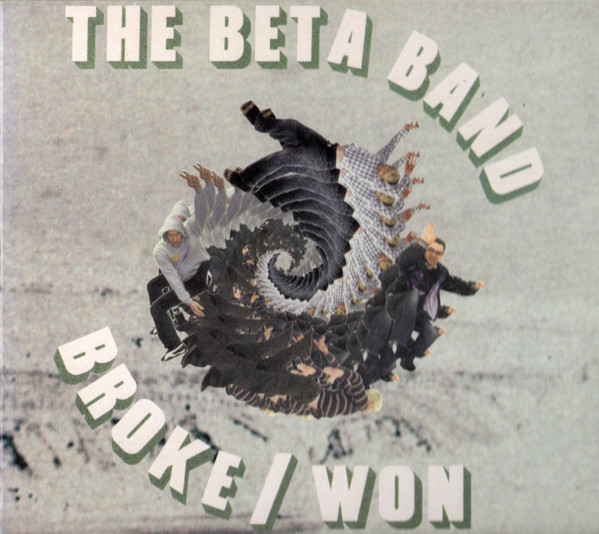
Broke / Won
The Beta Band · 2001
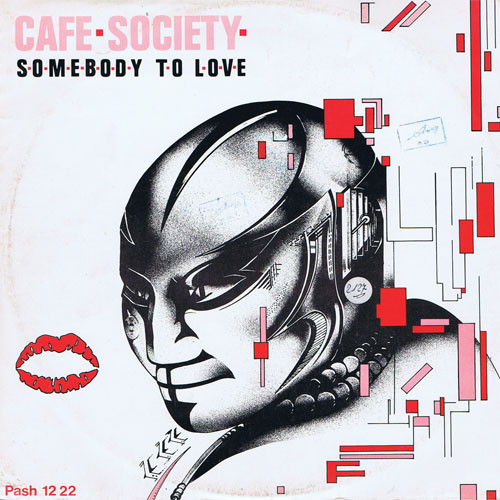
Somebody To Love
Cafe Society* · 1984
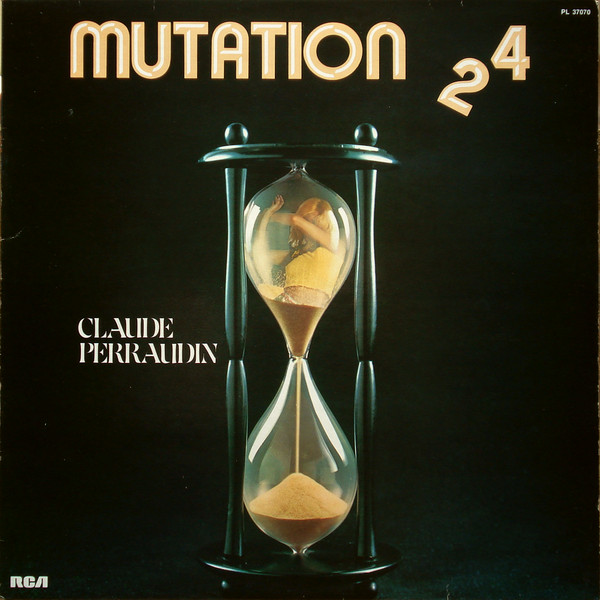
Mutation 24
Claude Perraudin · 1977
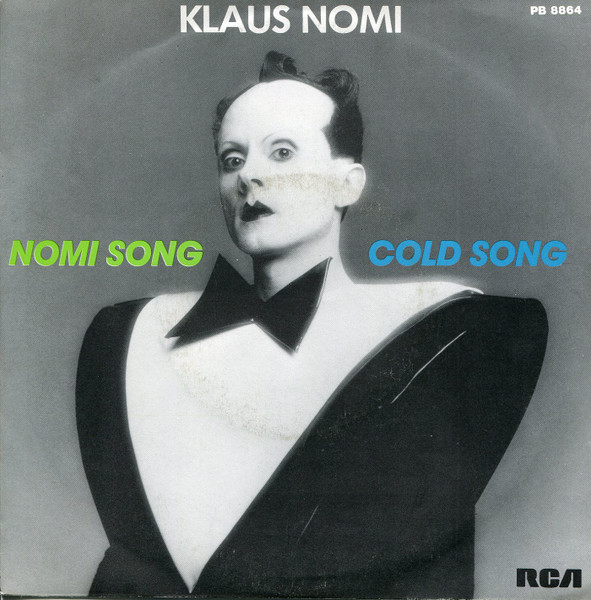
Nomi Song / Cold Song
Klaus Nomi · 1982
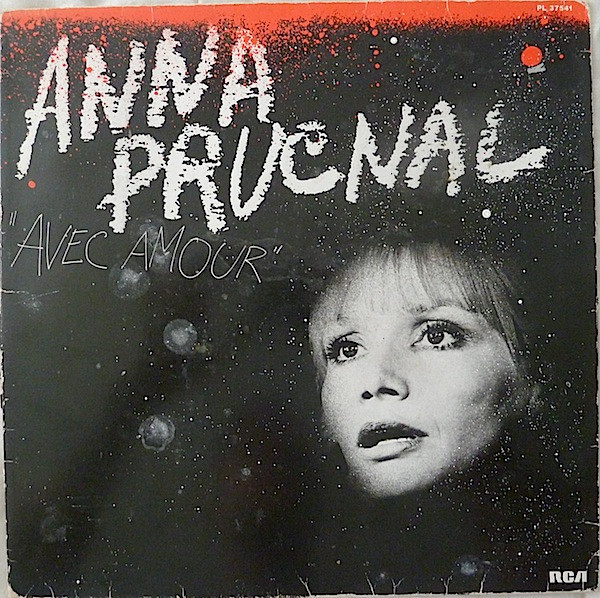
Avec Amour
Anna Prucnal · 1981
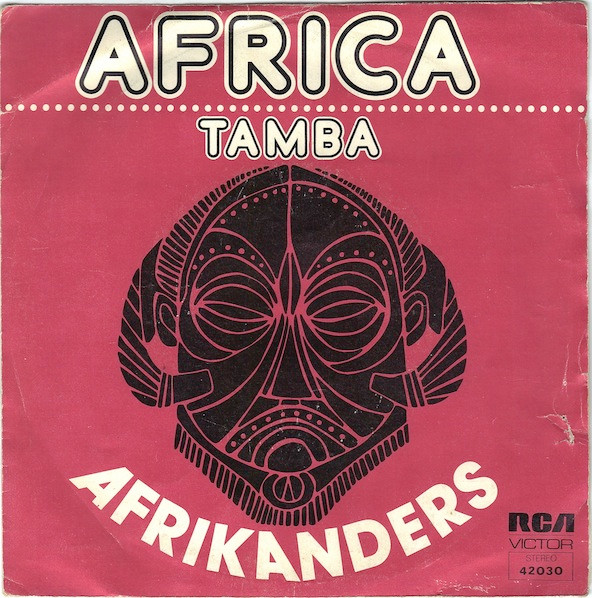
Africa
Afrikanders · 1975
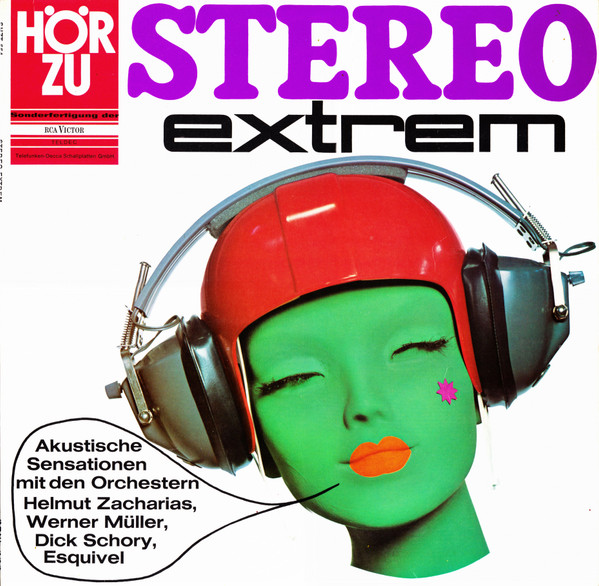
Stereo Extrem
Various
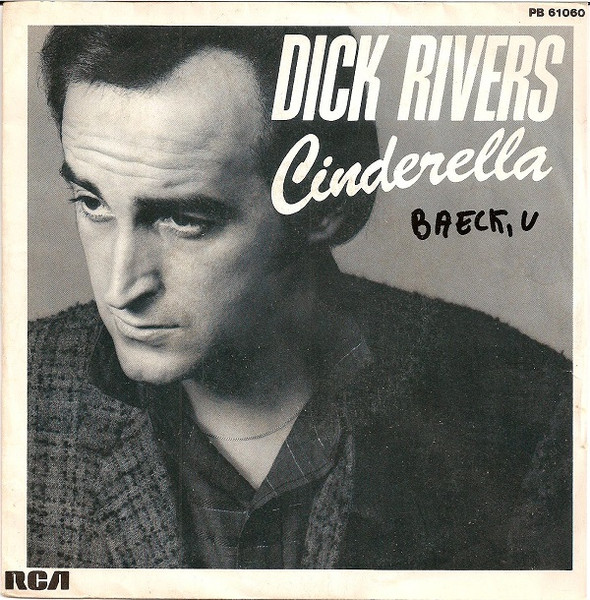
Cinderella
Dick Rivers · 1982
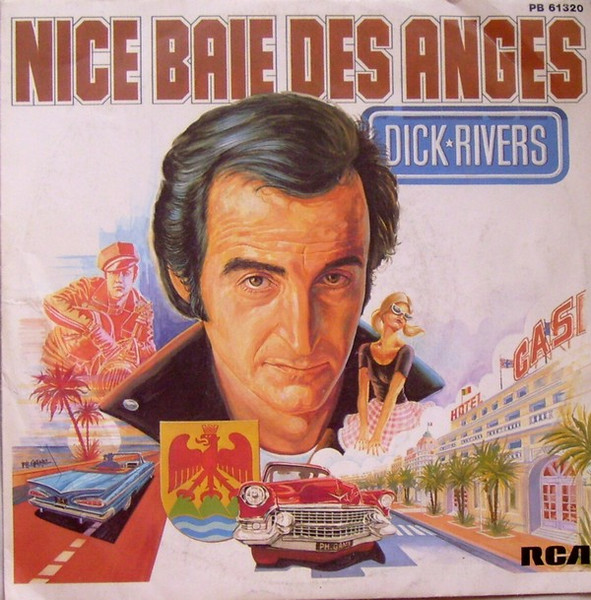
Nice Baie Des Anges
Dick Rivers · 1984
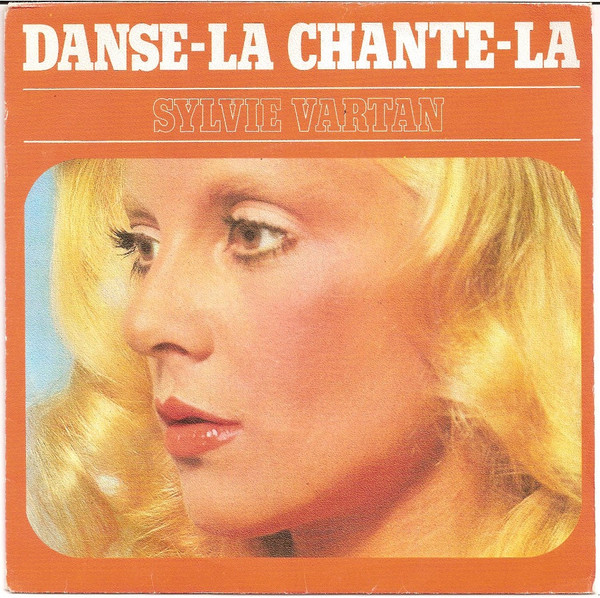
Danse-la Chante-la
Sylvie Vartan · 1975
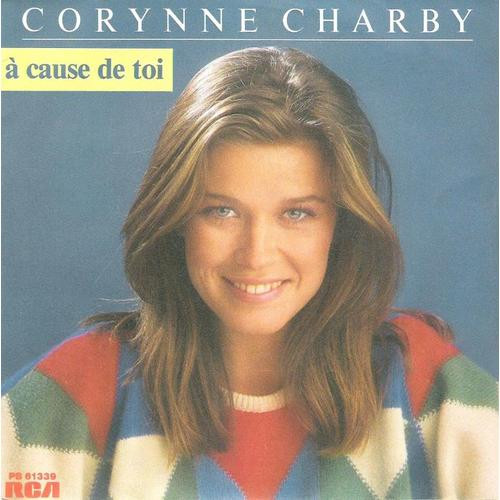
À Cause De Toi
Corynne Charby · 1984
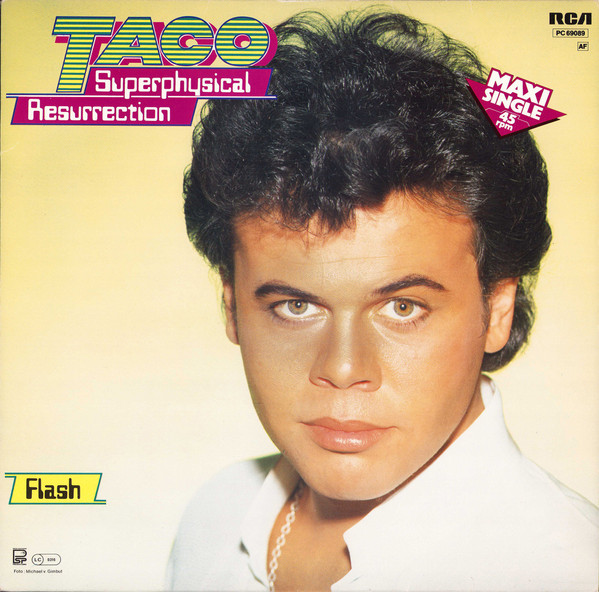
Superphysical Resurrection
Taco · 1983
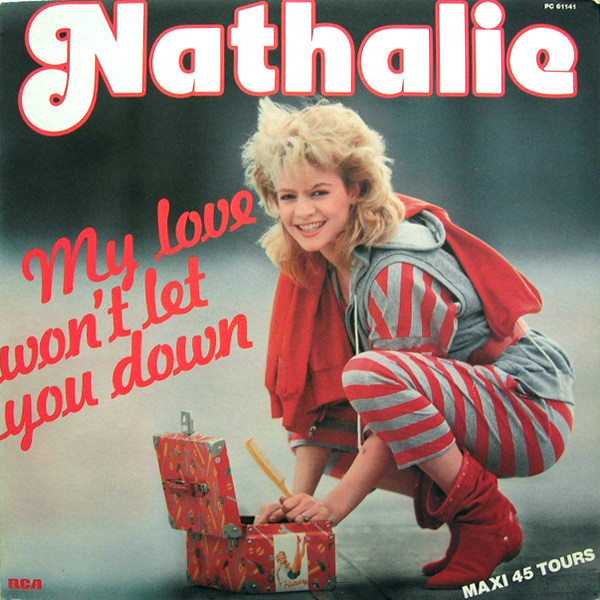
My Love Won't Let You Down
Nathalie · 1983
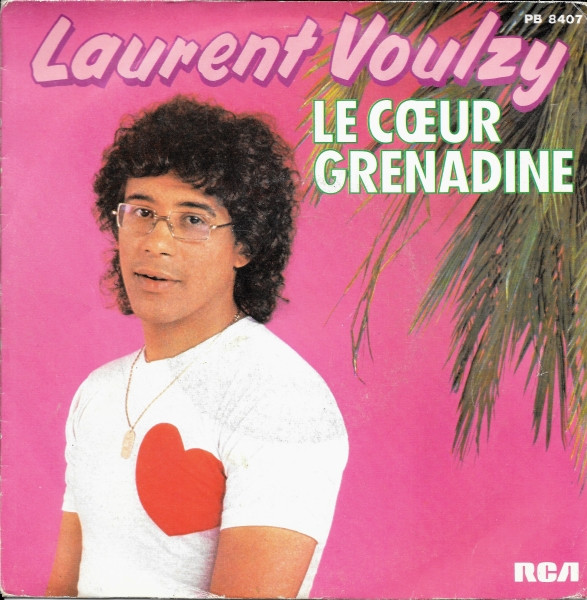
Le Cœur Grenadine
Laurent Voulzy · 1979
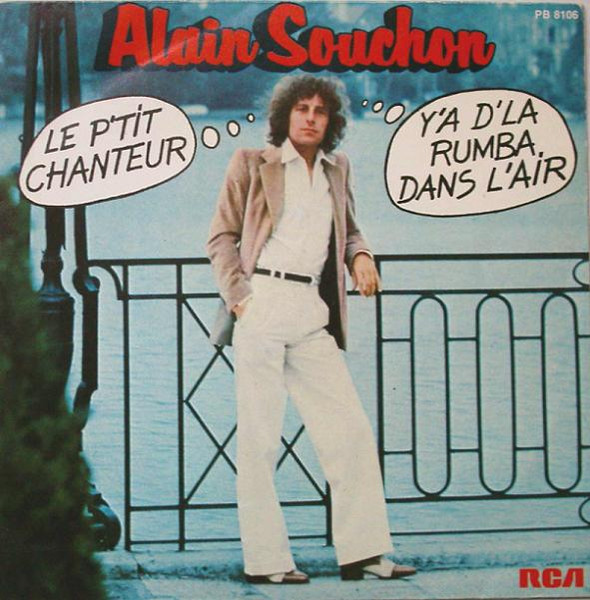
Y'a D'la Rumba Dans L'air / Le P'tit Chanteur
Alain Souchon · 1977
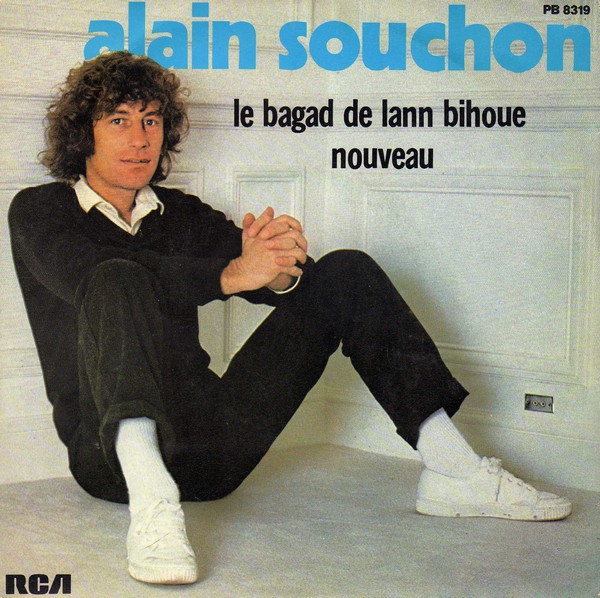
Le Bagad De Lann Bihoue / Nouveau
Alain Souchon · 1979
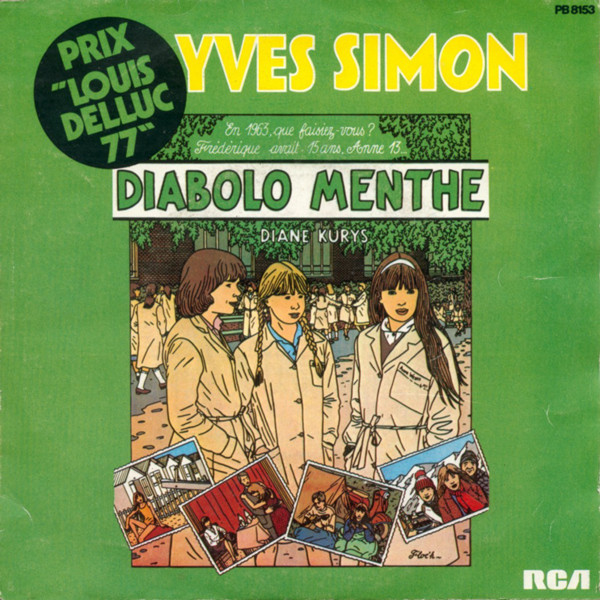
Diabolo Menthe
Yves Simon · 1978
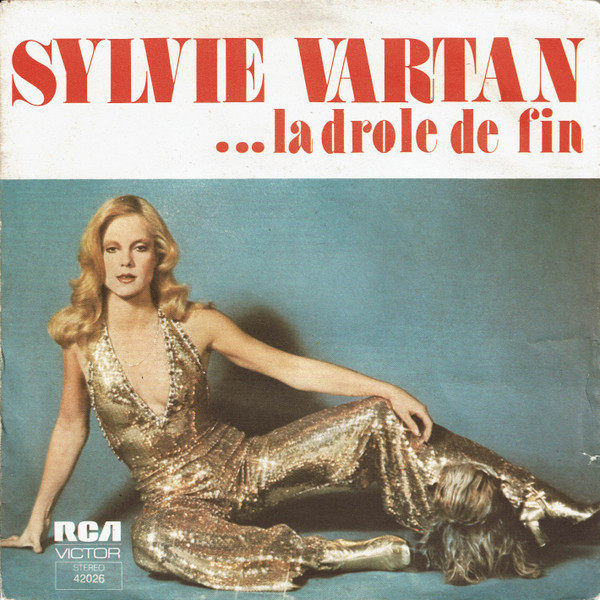
...La Drole De Fin
Sylvie Vartan · 1975
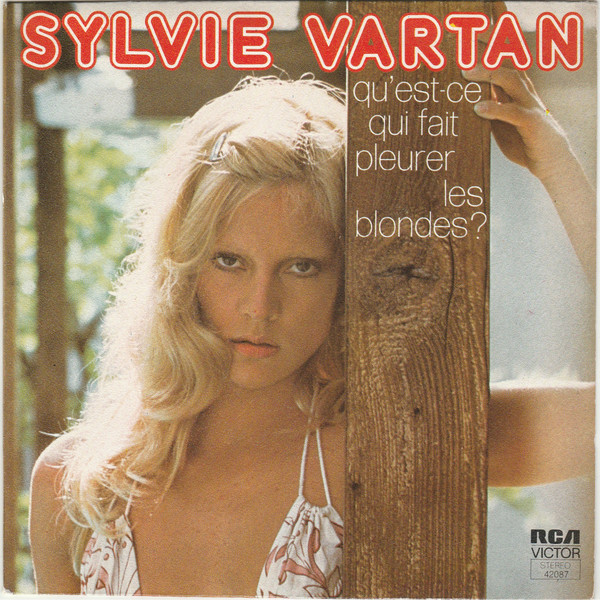
Qu'est-ce Qui Fait Pleurer Les Blondes ?
Sylvie Vartan · 1976
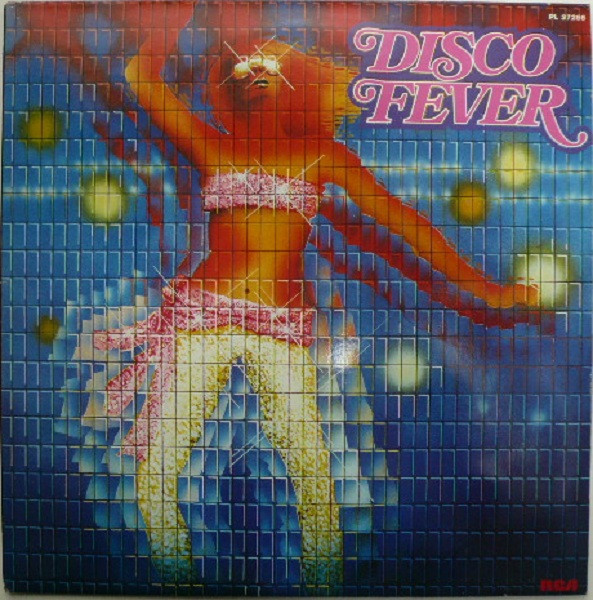
Disco Fever
Various · 1979
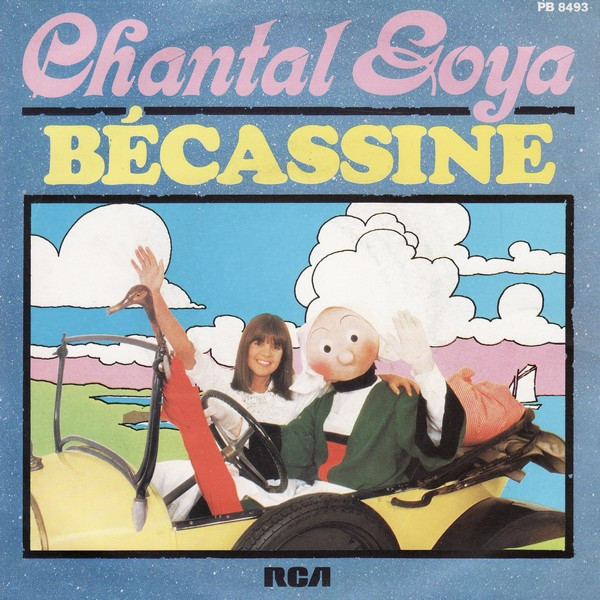
Bécassine
Chantal Goya · 1980
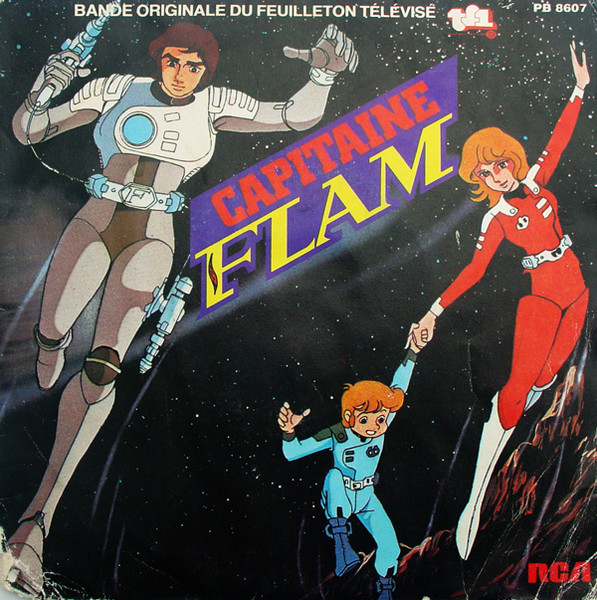
Capitaine Flam
Jean-Jacques Debout, Richard Simon · 1980
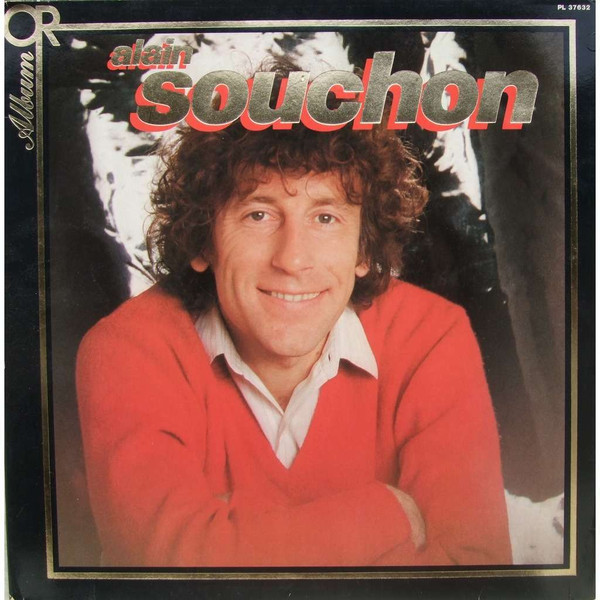
Album Or
Alain Souchon · 1982
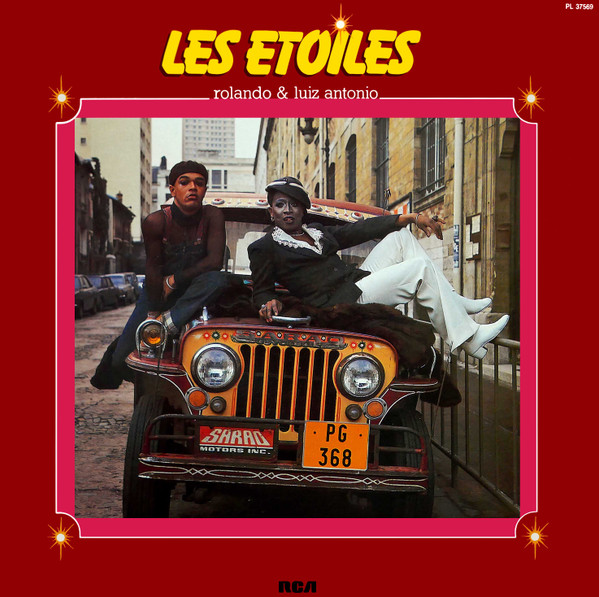
Les Etoiles
Rolando Faria & Luiz Antonio, Les Etoiles · 1981
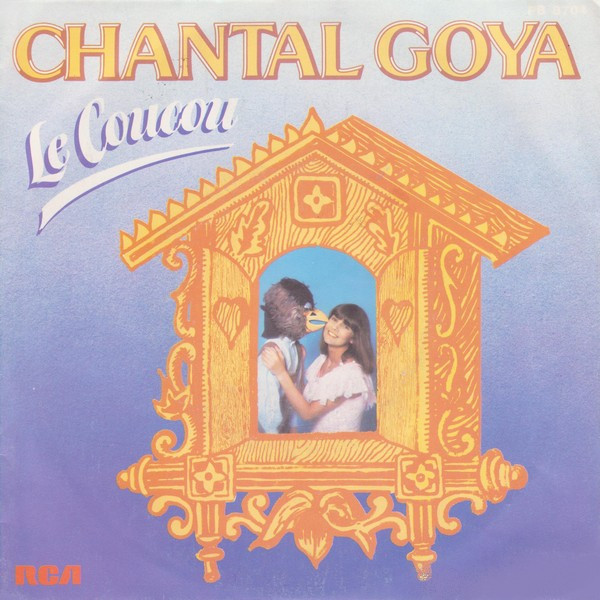
Le Coucou
Chantal Goya · 1981
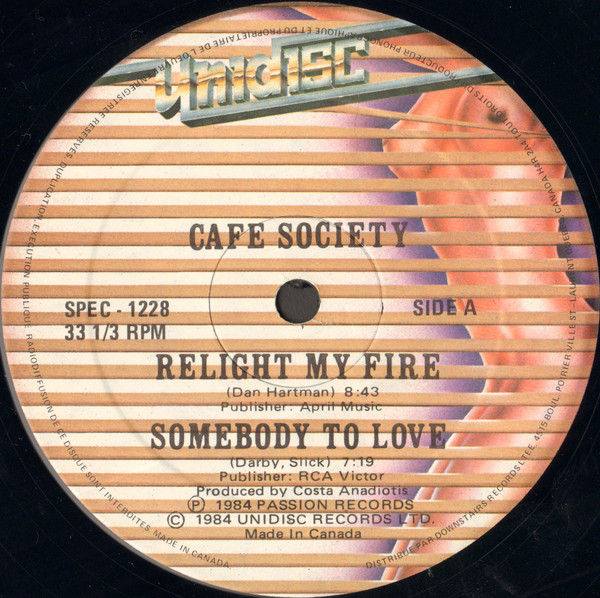
Relight My Fire / Somebody To Love / Power Of Love / Love Trap
Café Society / Astaire · 1984
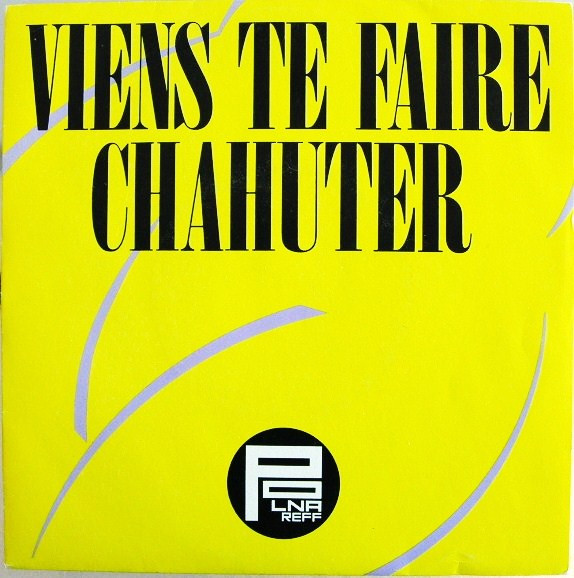
Viens Te Faire Chahuter
Polnareff* · 1984
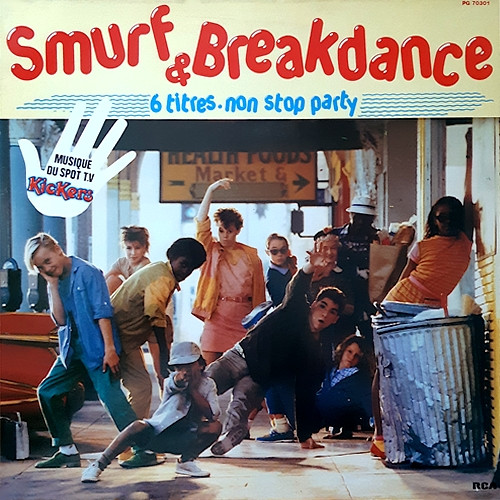
Smurf & Breakdance
Various · 1984
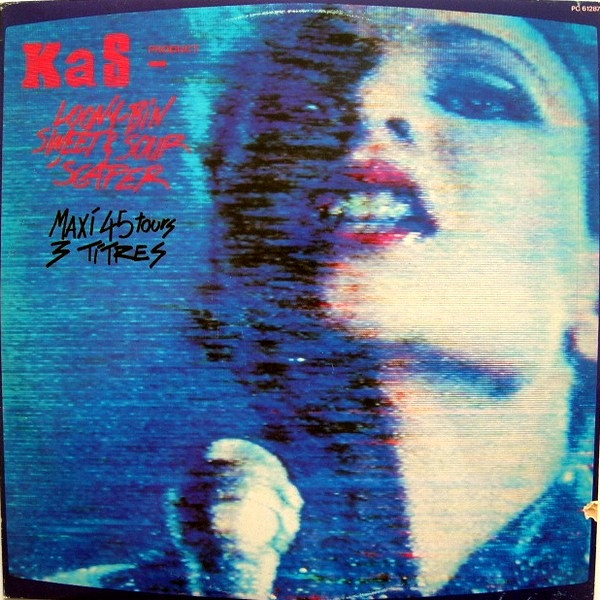
Loony-Bin
KaS Product · 1984
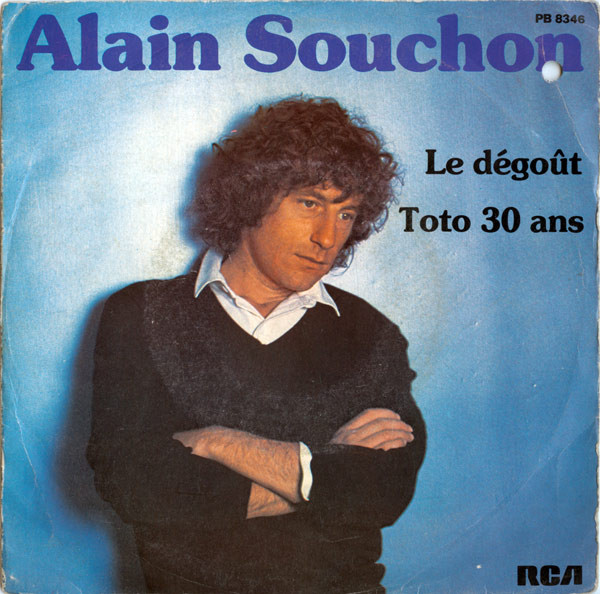
Le Dégoût / Toto 30 Ans
Alain Souchon · 1979
Showing 30 of 174,727 — open Recordz for the full list