 Recordz
About
Bally Records was an independent record label formed in Chicago in December, 1955. It was active during 1956 and 1957. It was a subsidiary of Bally Manufacturing Company and was headquartered at 203 N. Wabash Avenue in Chicago. The parent company, Bally Manufacturing Company, made pinball and slot machines, and is still in business today as Bally Technologies.
Bally Records' president, Jimmy Hilliard, was formerly an executive with the RCA subsidiary "X" Records, and took over operations at Bally on January 1, 1956. The label began issuing records in March of 1956, using RCA pressing plants. Singles leaned toward pop music while the albums had a definite jazz bent. Their first five albums were a collection of European jazz. Although Bally had quite a few singles make the charts (doing especially well in hometown Chicago), these hits rarely showed up on their albums (in fact, the only chart hit to make it to a long player was Lew Douglas' "Levi Lullaby.")
Many, if not most, of the artists signed to the label had some connection with Chicago. Singles artists included Betty Johnson (who in 1954 had had a hit with "I Want Eddie Fisher for Christmas" ), Lou Breese, Lew Douglas, the Gayden Sisters, Bob Davie, Bob Carroll, label president Jimmy Hilliard, Thurl Ravenscroft (longtime Disney voiceover man most famous as the voice of "Tony the Tiger," the cartoon character who hawked Kelloggs' Sugar Frosted Flakes for decades), Ted Weems, Bob Kames, Bob Anderson, the Highlights, the Turks, pianist Caesar Giovannini, Bobby Christian, the Loreleis, Carol Jarvis, the Argyles, Jimmy Isle, Nathan Russell, Teddy Phillips, Jeri Jordan, Jovan Dell, Billy Leach, Frank Pizani, Frank Deaton & The Mad Lads, Lola Dee, and Ike Cole (Nat "King" Cole's brother, who had the distinction of having both the last single and the last album on the label).
Bally's first chart hit was their first release, Betty Johnson's "I'll Wait" , which scraped the bottom of the Billboard charts at #94 the week of March 3, 1956. Johnson followed that with "Clay Idol" , which reached #20 on Chicago's big Top-40 station WJJD, while scoring a modest #72 nationally. ("I'll Wait" didn't make the WJJD chart because that chart started in June, 1956.) Next was "City of Angels" , by the Chicago-based vocal group the Highlights, which reached #5 in Chicago and #19 nationally after its release in September, 1956. This was followed the next month by Caesar Giovannini's "Petticoats of Portugal" , which reached #19 in Chicago and #29 on the Cashbox charts, although it missed the Billboard chart.
Bally's biggest hit, Betty Johnson's "I Dreamed" in November, 1956, was helped to a national #9 slot (#17 locally) by a tie-in with a daily television show, Modern Romances, where it was heard every day for a week. Lew Douglas and His Orchestra had a local hit with "Levi Lullaby" , which hit the WJJD chart in January, 1957, eventually reaching #21, followed in February by the Highlights' followup single, "To Be With You" , which reached #16 locally and #84 nationally. Betty Johnson was back in April, 1957, with "Little White Lies" . Her final Bally single, "The Song You Heard When You Fell In Love" , didn't chart in the U.S. but did chart in Canada. Although Betty Johnson was the label's biggest star, oddly, none of her several hits were on her sole Bally album, The Touch of Betty Johnson .
During the summer of 1957, Billy Leach scored with "The Song of the Barefoot Mailman" and finally, Frank Pizani, who was the lead singer of the Highlights, made #14 locally and #70 nationally with "Angry" . Bally issued seven more singles after "Angry", released in August, September and early October, but nothing charted, either locally or nationally. Bally was sold for its catalogue to Gene and Harry Goodman in November, 1957, and ceased operations. Betty Johnson signed with Atlantic, and had several more hits, including "The Little Blue Man" , which reached #8 on the WJJD-Chicago chart and #17 on Billboard. Reg Owen and His Orchestra later had a hit with "Manhattan Spiritual" , as well as several other hits in his native England. Bob Kames put out many additional albums of organ music, including several children's records. Carol Jarvis had a minor hit in 1957 with "Rebel" . For a small independent label, Bally signed a lot of talented artists and had quite a bit of chart success.
Bally Records' president, Jimmy Hilliard, was formerly an executive with the RCA subsidiary "X" Records, and took over operations at Bally on January 1, 1956. The label began issuing records in March of 1956, using RCA pressing plants. Singles leaned toward pop music while the albums had a definite jazz bent. Their first five albums were a collection of European jazz. Although Bally had quite a few singles make the charts (doing especially well in hometown Chicago), these hits rarely showed up on their albums (in fact, the only chart hit to make it to a long player was Lew Douglas' "Levi Lullaby.")
Many, if not most, of the artists signed to the label had some connection with Chicago. Singles artists included Betty Johnson (who in 1954 had had a hit with "I Want Eddie Fisher for Christmas" ), Lou Breese, Lew Douglas, the Gayden Sisters, Bob Davie, Bob Carroll, label president Jimmy Hilliard, Thurl Ravenscroft (longtime Disney voiceover man most famous as the voice of "Tony the Tiger," the cartoon character who hawked Kelloggs' Sugar Frosted Flakes for decades), Ted Weems, Bob Kames, Bob Anderson, the Highlights, the Turks, pianist Caesar Giovannini, Bobby Christian, the Loreleis, Carol Jarvis, the Argyles, Jimmy Isle, Nathan Russell, Teddy Phillips, Jeri Jordan, Jovan Dell, Billy Leach, Frank Pizani, Frank Deaton & The Mad Lads, Lola Dee, and Ike Cole (Nat "King" Cole's brother, who had the distinction of having both the last single and the last album on the label).
Bally's first chart hit was their first release, Betty Johnson's "I'll Wait" , which scraped the bottom of the Billboard charts at #94 the week of March 3, 1956. Johnson followed that with "Clay Idol" , which reached #20 on Chicago's big Top-40 station WJJD, while scoring a modest #72 nationally. ("I'll Wait" didn't make the WJJD chart because that chart started in June, 1956.) Next was "City of Angels" , by the Chicago-based vocal group the Highlights, which reached #5 in Chicago and #19 nationally after its release in September, 1956. This was followed the next month by Caesar Giovannini's "Petticoats of Portugal" , which reached #19 in Chicago and #29 on the Cashbox charts, although it missed the Billboard chart.
Bally's biggest hit, Betty Johnson's "I Dreamed" in November, 1956, was helped to a national #9 slot (#17 locally) by a tie-in with a daily television show, Modern Romances, where it was heard every day for a week. Lew Douglas and His Orchestra had a local hit with "Levi Lullaby" , which hit the WJJD chart in January, 1957, eventually reaching #21, followed in February by the Highlights' followup single, "To Be With You" , which reached #16 locally and #84 nationally. Betty Johnson was back in April, 1957, with "Little White Lies" . Her final Bally single, "The Song You Heard When You Fell In Love" , didn't chart in the U.S. but did chart in Canada. Although Betty Johnson was the label's biggest star, oddly, none of her several hits were on her sole Bally album, The Touch of Betty Johnson .
During the summer of 1957, Billy Leach scored with "The Song of the Barefoot Mailman" and finally, Frank Pizani, who was the lead singer of the Highlights, made #14 locally and #70 nationally with "Angry" . Bally issued seven more singles after "Angry", released in August, September and early October, but nothing charted, either locally or nationally. Bally was sold for its catalogue to Gene and Harry Goodman in November, 1957, and ceased operations. Betty Johnson signed with Atlantic, and had several more hits, including "The Little Blue Man" , which reached #8 on the WJJD-Chicago chart and #17 on Billboard. Reg Owen and His Orchestra later had a hit with "Manhattan Spiritual" , as well as several other hits in his native England. Bob Kames put out many additional albums of organ music, including several children's records. Carol Jarvis had a minor hit in 1957 with "Rebel" . For a small independent label, Bally signed a lot of talented artists and had quite a bit of chart success.
Catalog
127 releases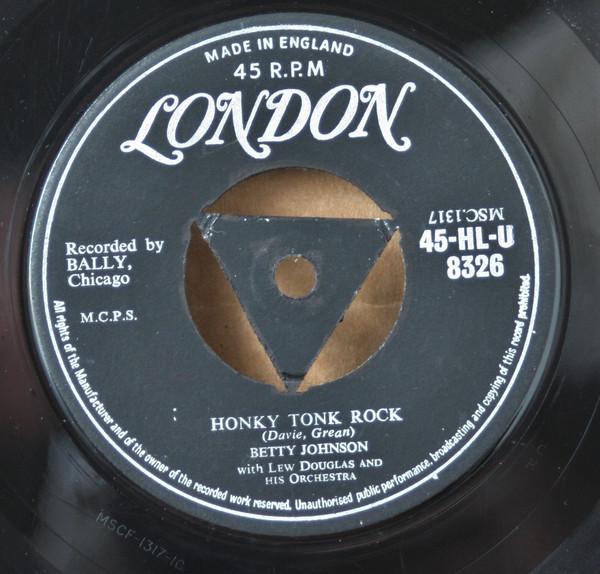
Honky Tonk Rock
Betty Johnson · 1956
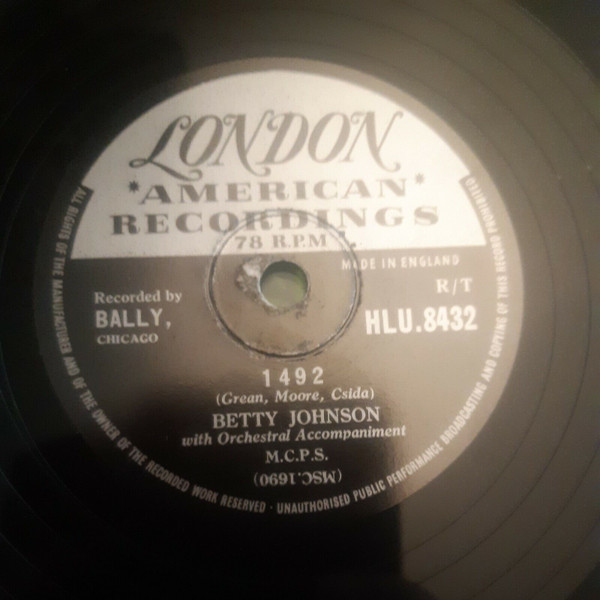
1492 / Little White Lies
Betty Johnson · 1957
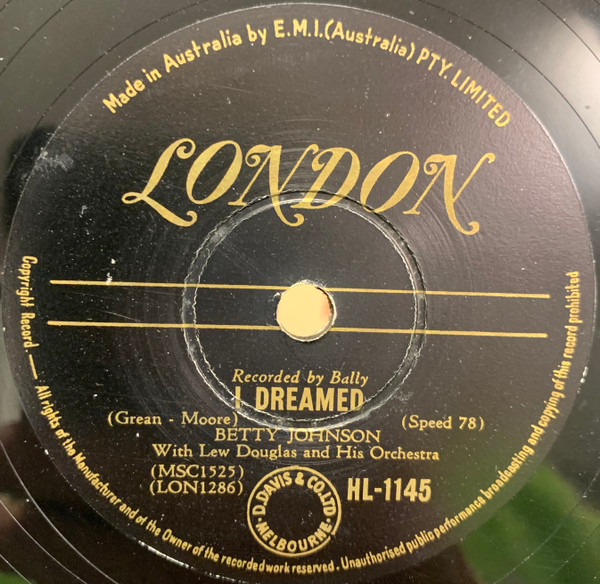
I Dreamed / If It's Wrong To Love You
Betty Johnson · 1957
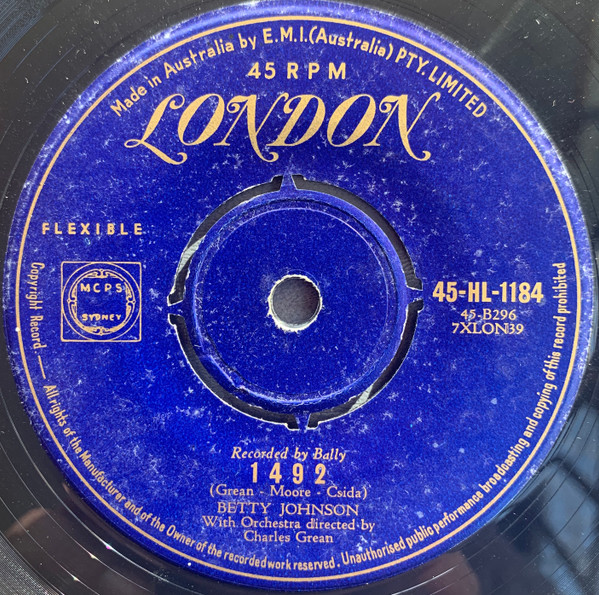
1492 / Little White Lies
Betty Johnson · 1957
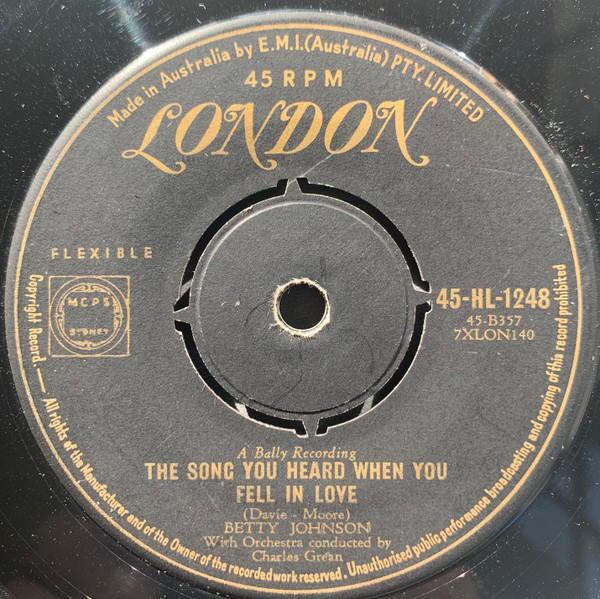
The Song You Heard When You Fell In Love / I'm Beginning To Wonder
Betty Johnson · 1957
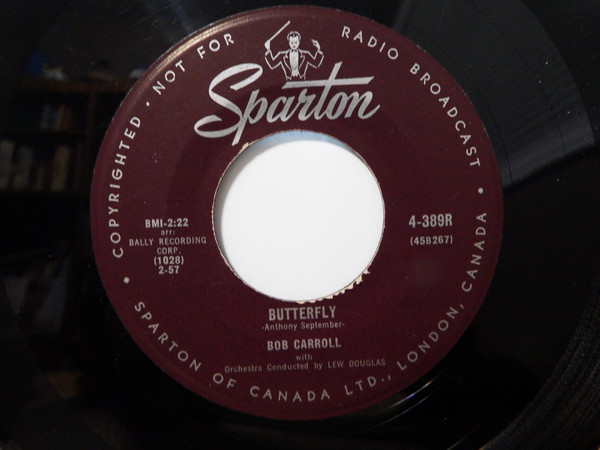
Butterfly / Look What You've Done To Me
Bob Carroll · 1957
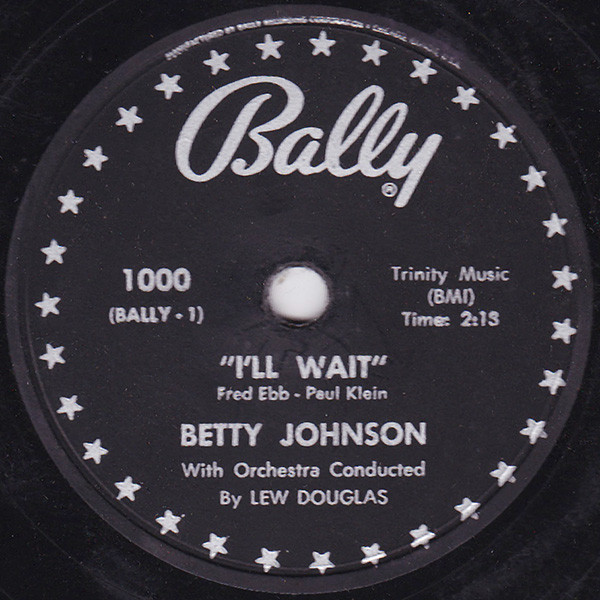
I'll Wait / Please Tell Me Why
Betty Johnson · 1956
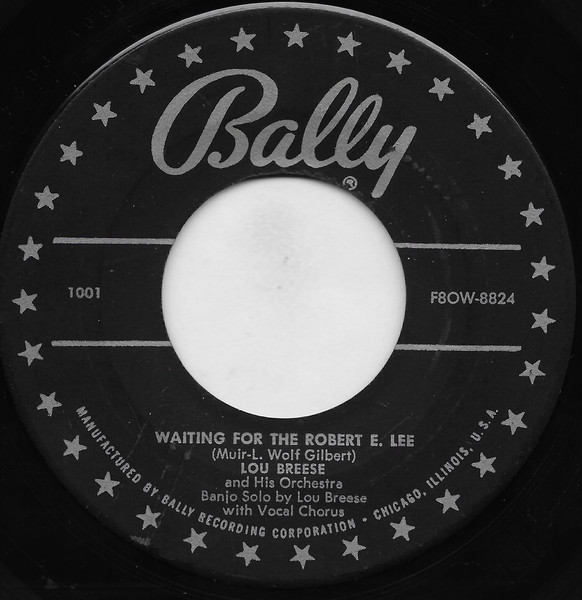
Waiting For The Robert E. Lee / Mexicali Rose
Lou Breese And His Orchestra · 1956
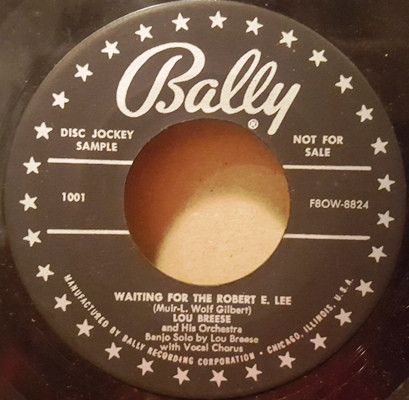
Waiting For The Robert E. Lee / Mexicali Rose
Lou Breese And His Orchestra · 1956
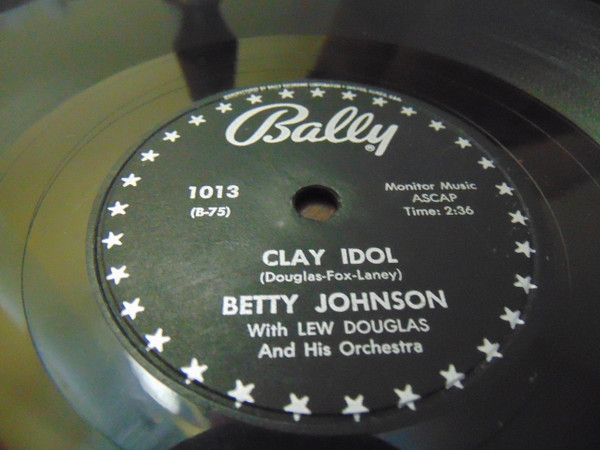
Clay Idol / Why Do You Cry?
Betty Johnson , With Lew Douglas And His Orchestra · 1956
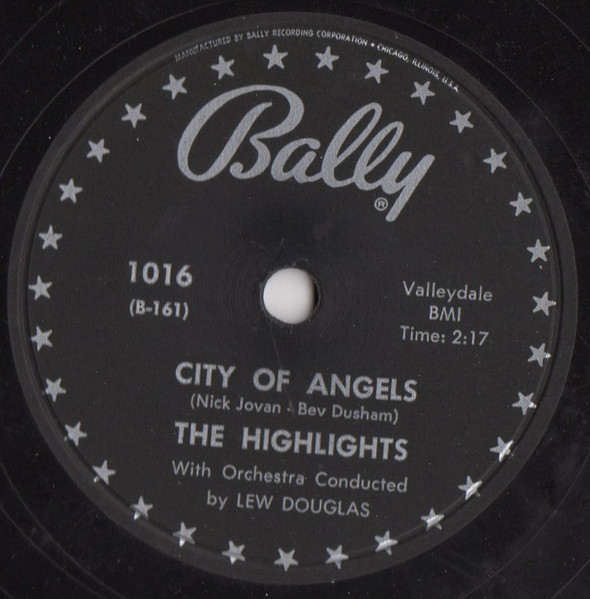
City Of Angels / Listen, My Love
The Highlights · 1956
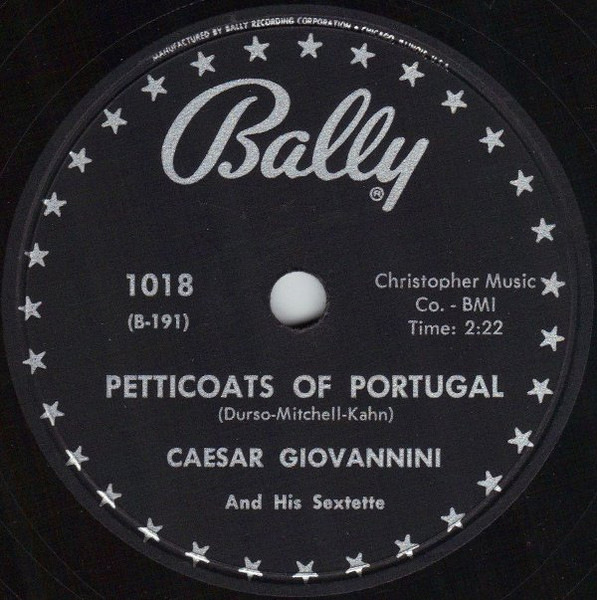
Petticoats Of Portugal / Prenez Garde
Caesar Giovannini And His Sextette · 1956
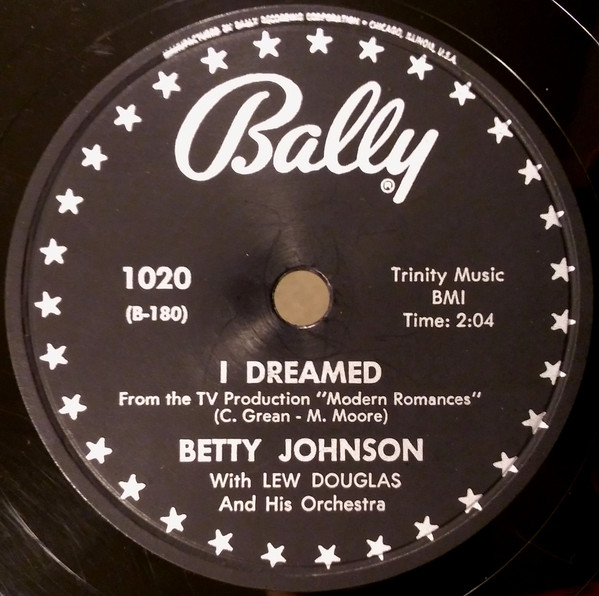
I Dreamed / If It's Wrong To Love You
Betty Johnson With Lew Douglas And His Orchestra · 1956
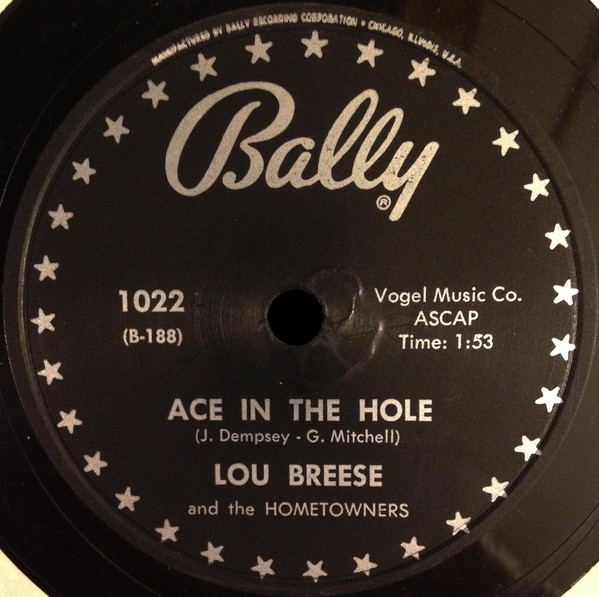
Ace In The Hole / I'm Waiting For Ships That Never Come In
Lou Breese And The Hometowners · 1956
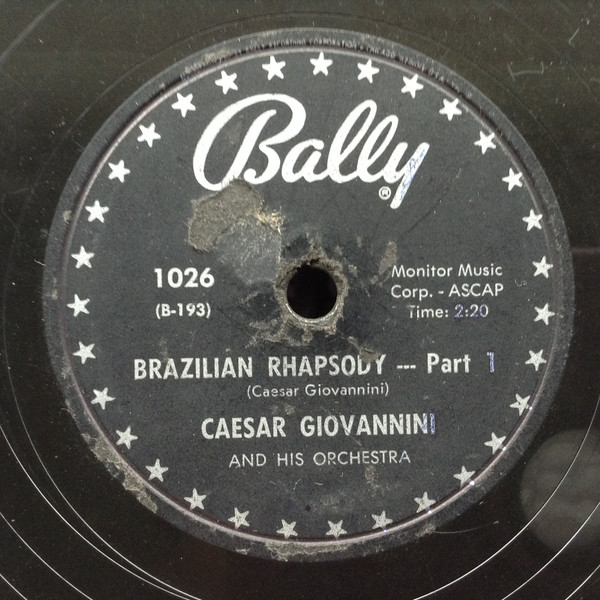
Brazilian Rhapsody
Caesar Giovannini And His Orchestra · 1957
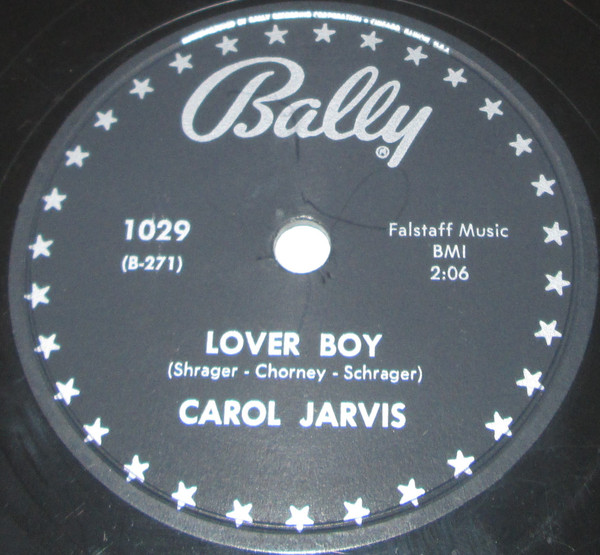
My Heart Has A Mind Of It's Own / Lover Boy
Carol Jarvis · 1957
Every Time You Smile / Moonbeam
The Argyles · 1957
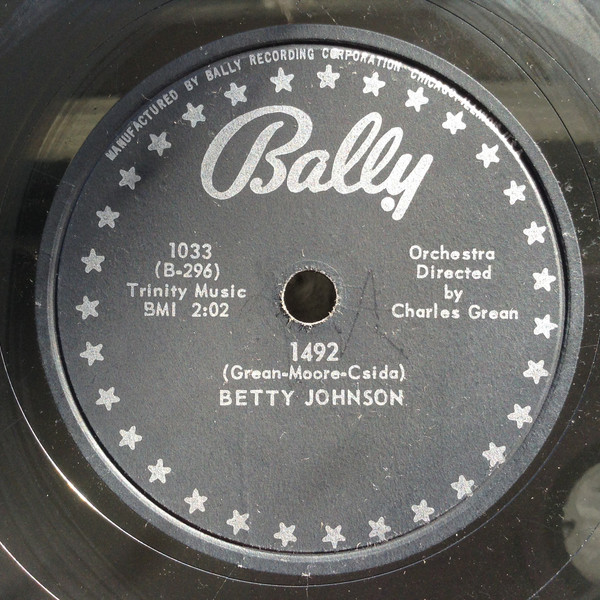
1492 / Little White Lies
Betty Johnson · 1957
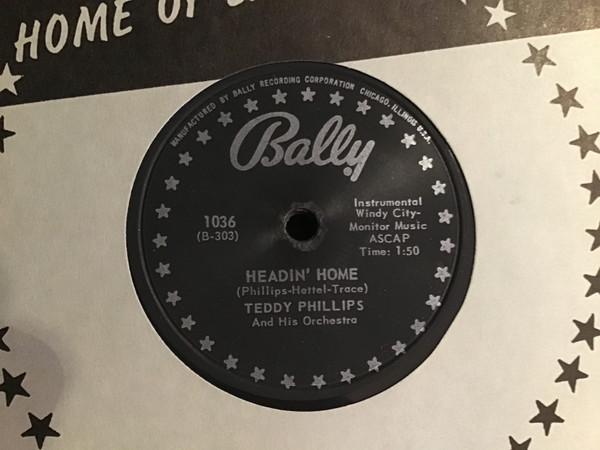
Melody #9 / Headin' Home
Teddy Phillips And His Orchestra · 1957
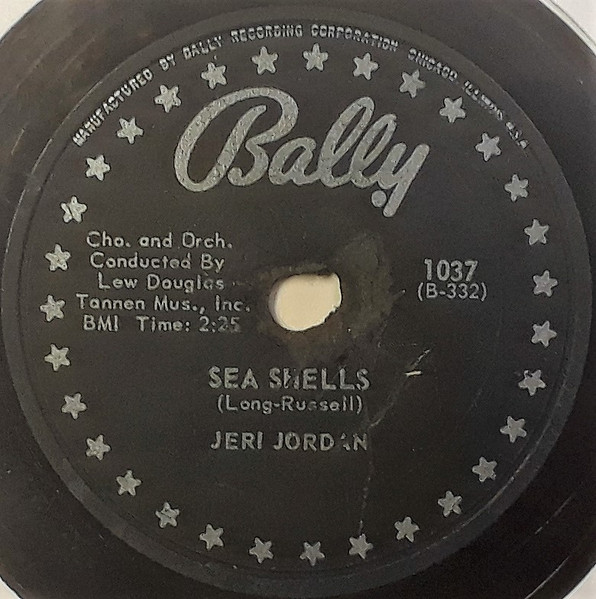
Sea Shells / The Architect
Jeri Jordan · 1957
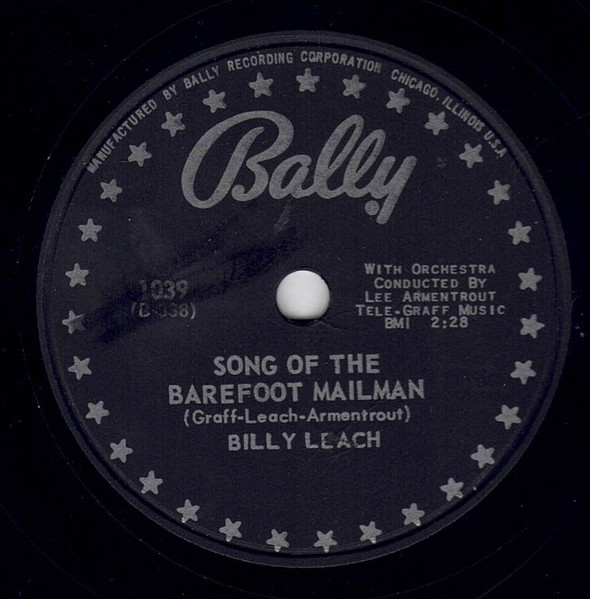
Song Of The Barefoot Mailman / Lil's Grill
Billy Leach · 1957
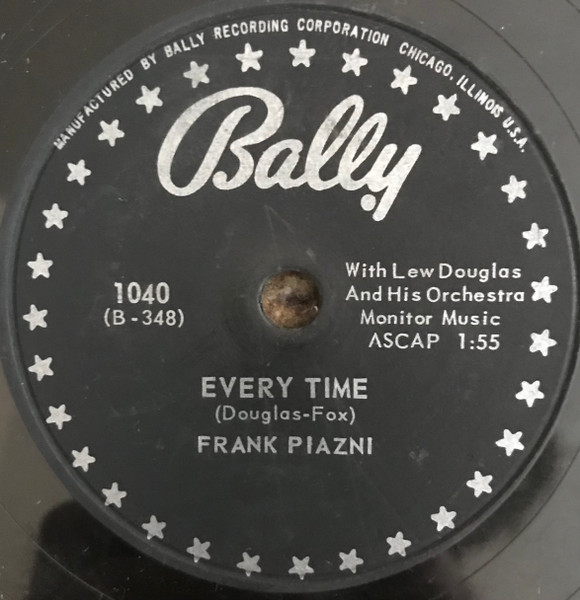
Every Time / Angry
Frank Pizani*
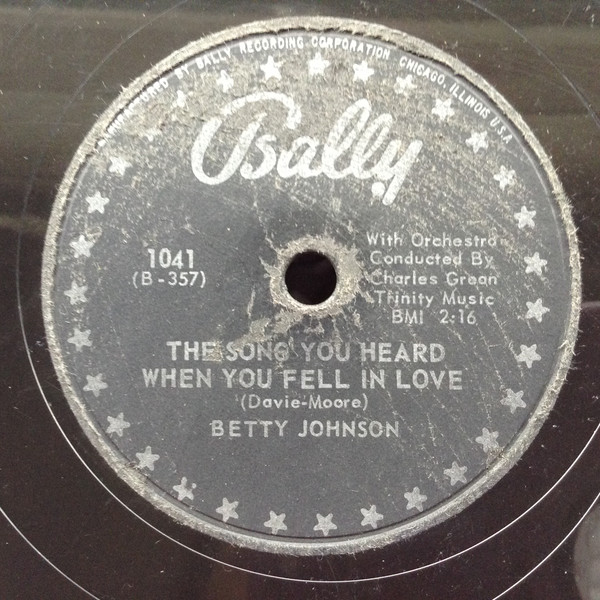
The Song You Heard When You Fell In Love / I'm Beginning To Wonder
Betty Johnson · 1957

Just A Little Bit More / My Love For You
Frank Deaton And The Mad Lads · 1957
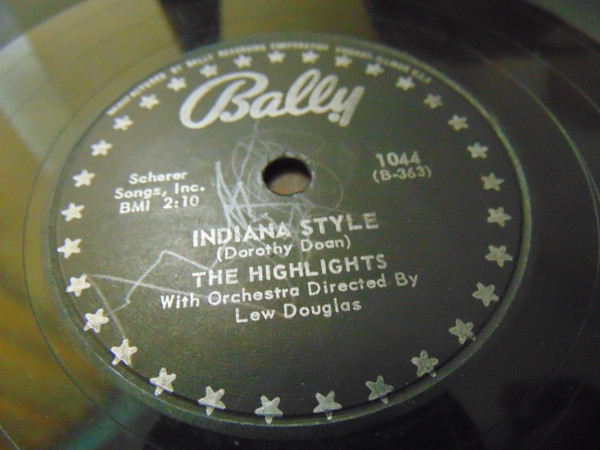
Indiana Style / Turn Around Shoes
The Highlights · 1957
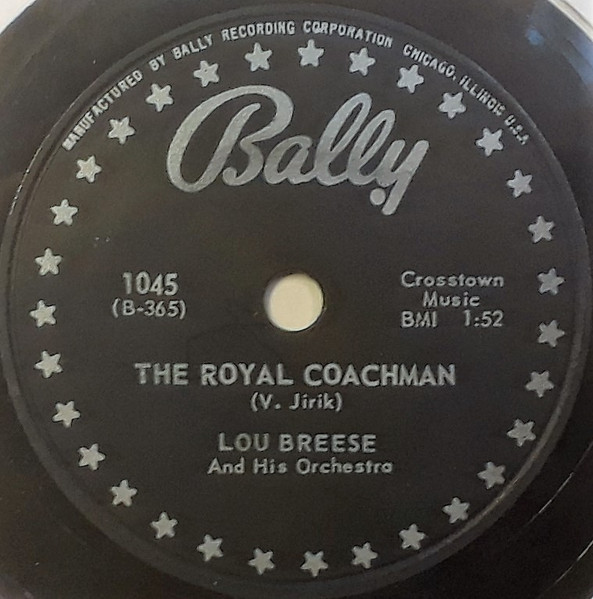
The Royal Coachman / Breezin' Along With The Breeze
Lou Breese And His Orchestra · 1957
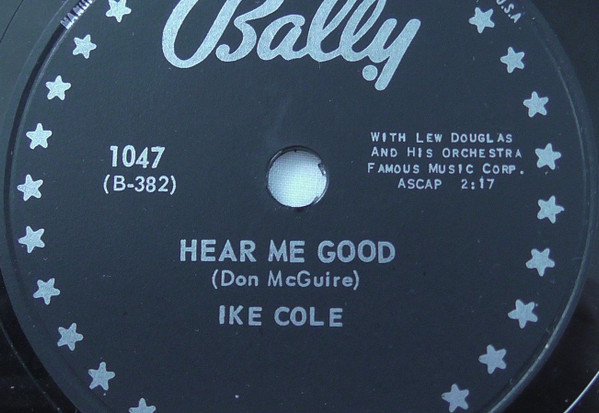
Hear Me Good / You Melt Me
Ike Cole · 1957
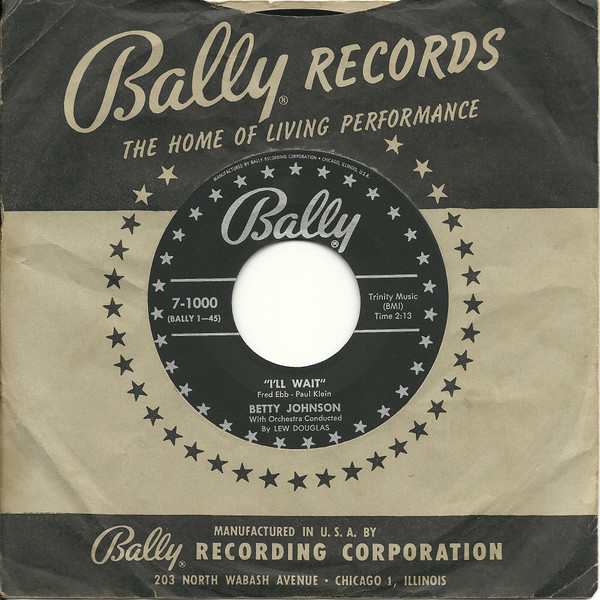
I'll Wait
Betty Johnson · 1956
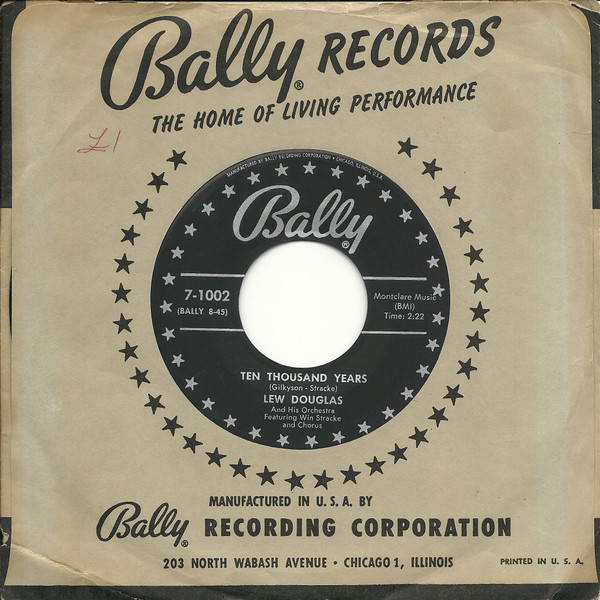
Ten Thousand Years / Fiddle Dee Dee
Lew Douglas And His Orchestra · 1956
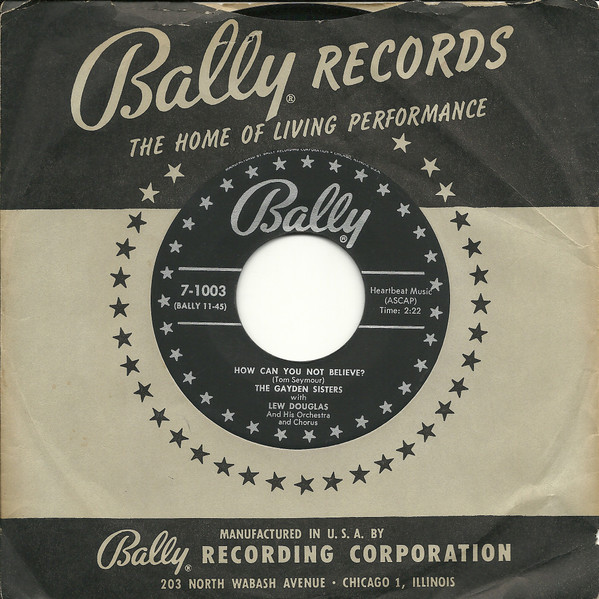
How Can You Not Believe? / Honestly, Honestly
The Gayden Sisters with Lew Douglas And His Orchestra And Chorus* · 1956
Showing 30 of 127 — open Recordz for the full list