 Recordz
About
The music group Call is one of the most fascinating projects of the European avant-garde and dark wave scene of the 1990s. Founded and directed by the Austrian composer and electronics artist Dietmar Percht, the project created a musically and psychologically profound album trilogy.
Between 1994 and 1997, the project oscillated together with the musician Petra in a niche that combined musical border crossings with basic themes of the human psyche.
Call's style eludes a simple categorization. Dietmar Percht combined cool, machine rhythms of the electro-industrial and EBM with atmospheric elements of ambient and trance. In addition, there were influences from glam rock and electropop, coupled with the structures of serious, contemporary avant-garde music.
The interplay of hard, synthetic sequences, collage-like speech samples and the often summoning or distant vocals is decisive for the sound. In the music press, calls were often cited as a pioneering project because of their aesthetics and subject matter.
___________________________________________________________________________
The Heart: The Album Trilogy (1994–1997)
Call’s work manifests itself in three consecutive conceptual albums, which can be understood as a coherent work – a chronicle of human obsessions:
Detailed comparison of the concept trilogy
The development of the trilogy can be described as a movement from outside to the inside: from social-interactive role-playing (dominatrix) to the physical limitation of one's own being (Flesh) to total isolation in one's own mind (obsession).
1. “Domina” (1994) – The power structure and initiation
• Psychological background: The album dissects the tension between power, powerlessness and control. Psychologically, this is about the phenomenon of voluntary submission and the appeal of role reversal. Dominance is understood not as violence, but as a highly coded, psychological contract between two individuals. It describes the initiation into a world beyond bourgeois morality.
• Tonal characteristics: Cool, sterile and mathematically precise. The electronics are aloof and dominant. It is dominated by whipping, repetitive percussion sounds that transport the subject of discipline purely auditorily.
• Musical stylistic devices: Strong influence of early electro-industrial and EBM (Electronic Body Music). The vocals are often whispering, commanding or distant-monotonous, accompanied by cool, sequenced synthesizer lines.
2. “Flesh” (1995/1996) – The Physique and the Borderline Experience
• Psychological background: Here the focus shifts from pure power play to physicality and pain. The “meat” is understood as the limit of the ego, but also as the only medium for the perception of extreme lust and reality. Psychologically, the album touches on topics of depersonalization – the urge to be able to feel one’s own body again only through radical stimuli (pain, ecstasy).
• Aural characteristics: The sound becomes noticeably “dirtier”, more organic and visceral. The electronic sounds emulate almost carnal textures – dull basses such as a pumping heart, distorted frequencies that act like cutting on skin.
• Musical stylistic means: burglary of noise guitars (played by Petra) and collage-like language samples. The rhythms slow down in places to sluggish, almost ritual beats that break with elements of the dark electropop and hard club elements (“Feel It In The Flesh”).
3. Obsession (1997) – The Delusion and the Psychic Fixation
• Psychological background: The final album marks the transition into total psychopathology. The obsession is monomania – the state in which a person becomes unable to think of anything other than the object of his desire. The boundaries between reality, healthy desire and self-taught delusions collapse completely. It's the chronic isolation of the psyche.
• Tonual characteristics: Hypnotic, enclosing and claustrophobic. The sound space opens into wide, gloomy reverberation rooms that reflect the solitude of the mind, while at the same time repetitive patterns capture the listener.
• Musical stylistic tools: Strong use of trance and ambient structures, mixed with contemporary avant-garde music. The songs (like the programmatic “Katharsis”) work with long, minimally changing loops. The vocals often give way to repetitive, mantric language incantations, which are intended to put the listener in a trance-like state.
The overall concept of the trilogy follows a clear psychological dynamic: from the external (social interaction) to the physical (somatization) to the interior (the total psychosis).
➔ ➔
Percht does not use the music for entertainment, but as a sound laboratory. He examines how far the human psyche can be stretched before it breaks. The albums recreate the creeping process of how an initially controlled passion (BDSM/power play) slides into an uncontrollable, pathological fixation (Obsession).
Between 1994 and 1997, the project oscillated together with the musician Petra in a niche that combined musical border crossings with basic themes of the human psyche.
Call's style eludes a simple categorization. Dietmar Percht combined cool, machine rhythms of the electro-industrial and EBM with atmospheric elements of ambient and trance. In addition, there were influences from glam rock and electropop, coupled with the structures of serious, contemporary avant-garde music.
The interplay of hard, synthetic sequences, collage-like speech samples and the often summoning or distant vocals is decisive for the sound. In the music press, calls were often cited as a pioneering project because of their aesthetics and subject matter.
___________________________________________________________________________
The Heart: The Album Trilogy (1994–1997)
Call’s work manifests itself in three consecutive conceptual albums, which can be understood as a coherent work – a chronicle of human obsessions:
Detailed comparison of the concept trilogy
The development of the trilogy can be described as a movement from outside to the inside: from social-interactive role-playing (dominatrix) to the physical limitation of one's own being (Flesh) to total isolation in one's own mind (obsession).
1. “Domina” (1994) – The power structure and initiation
• Psychological background: The album dissects the tension between power, powerlessness and control. Psychologically, this is about the phenomenon of voluntary submission and the appeal of role reversal. Dominance is understood not as violence, but as a highly coded, psychological contract between two individuals. It describes the initiation into a world beyond bourgeois morality.
• Tonal characteristics: Cool, sterile and mathematically precise. The electronics are aloof and dominant. It is dominated by whipping, repetitive percussion sounds that transport the subject of discipline purely auditorily.
• Musical stylistic devices: Strong influence of early electro-industrial and EBM (Electronic Body Music). The vocals are often whispering, commanding or distant-monotonous, accompanied by cool, sequenced synthesizer lines.
2. “Flesh” (1995/1996) – The Physique and the Borderline Experience
• Psychological background: Here the focus shifts from pure power play to physicality and pain. The “meat” is understood as the limit of the ego, but also as the only medium for the perception of extreme lust and reality. Psychologically, the album touches on topics of depersonalization – the urge to be able to feel one’s own body again only through radical stimuli (pain, ecstasy).
• Aural characteristics: The sound becomes noticeably “dirtier”, more organic and visceral. The electronic sounds emulate almost carnal textures – dull basses such as a pumping heart, distorted frequencies that act like cutting on skin.
• Musical stylistic means: burglary of noise guitars (played by Petra) and collage-like language samples. The rhythms slow down in places to sluggish, almost ritual beats that break with elements of the dark electropop and hard club elements (“Feel It In The Flesh”).
3. Obsession (1997) – The Delusion and the Psychic Fixation
• Psychological background: The final album marks the transition into total psychopathology. The obsession is monomania – the state in which a person becomes unable to think of anything other than the object of his desire. The boundaries between reality, healthy desire and self-taught delusions collapse completely. It's the chronic isolation of the psyche.
• Tonual characteristics: Hypnotic, enclosing and claustrophobic. The sound space opens into wide, gloomy reverberation rooms that reflect the solitude of the mind, while at the same time repetitive patterns capture the listener.
• Musical stylistic tools: Strong use of trance and ambient structures, mixed with contemporary avant-garde music. The songs (like the programmatic “Katharsis”) work with long, minimally changing loops. The vocals often give way to repetitive, mantric language incantations, which are intended to put the listener in a trance-like state.
The overall concept of the trilogy follows a clear psychological dynamic: from the external (social interaction) to the physical (somatization) to the interior (the total psychosis).
➔ ➔
Percht does not use the music for entertainment, but as a sound laboratory. He examines how far the human psyche can be stretched before it breaks. The albums recreate the creeping process of how an initially controlled passion (BDSM/power play) slides into an uncontrollable, pathological fixation (Obsession).
Members
Discography
33 releases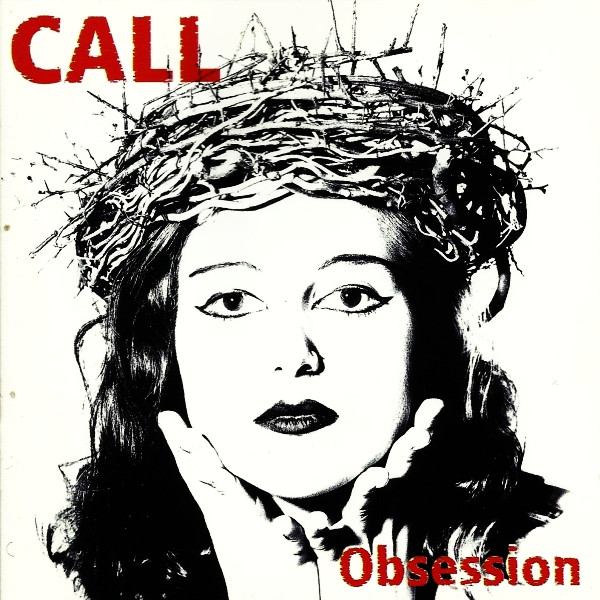
Obsession
Call · 1997
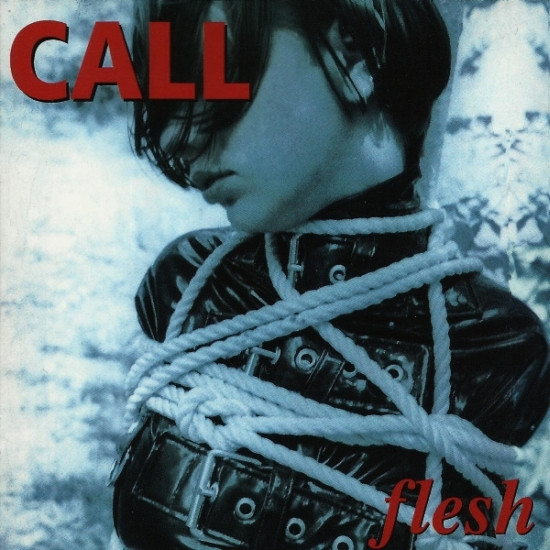
Flesh
Call · 1995
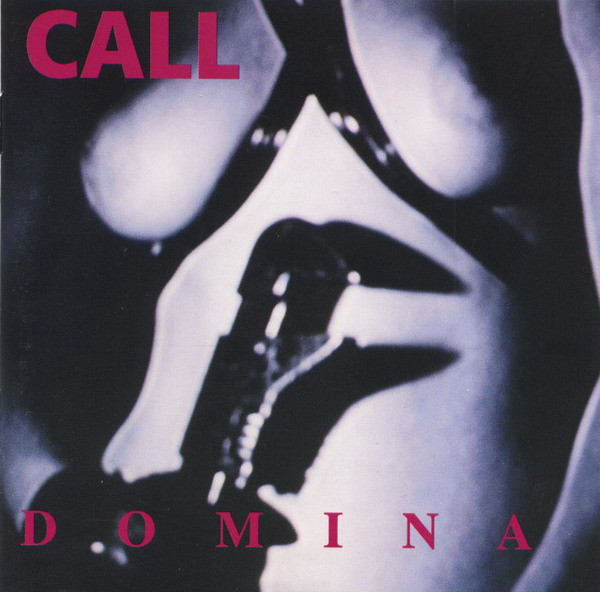
Domina
Call · 1994
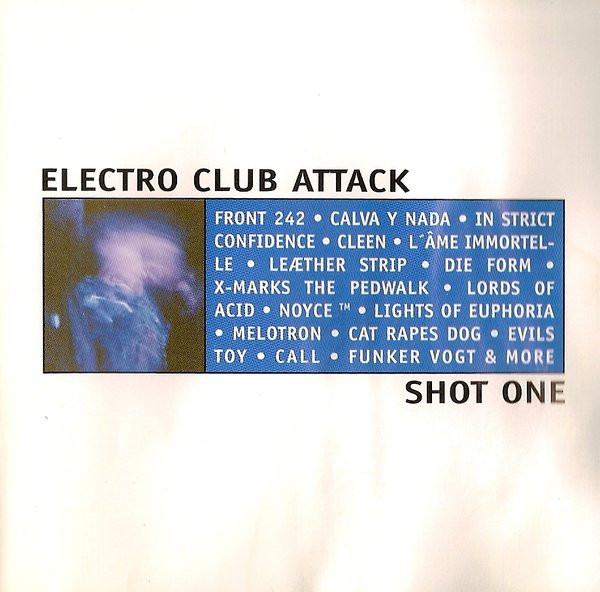
Electro Club Attack - Shot One
Various · 1999
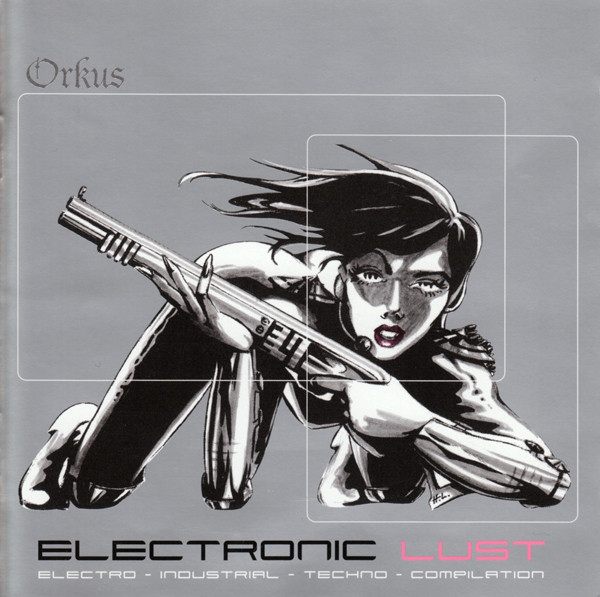
Electronic Lust V.1
Various · 1998

Fetish Soundtracks II
Various · 1997
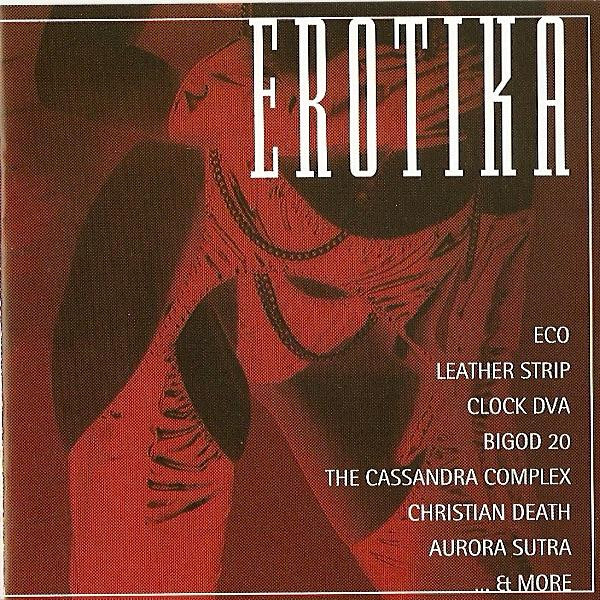
Erotika Vol. I
Various · 1994
Extreme Sündenfall 1
Various · 2005
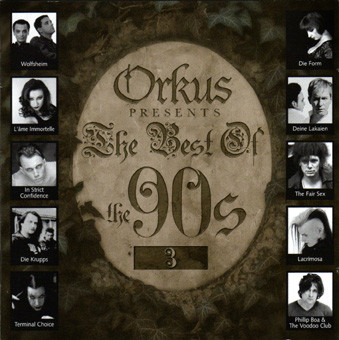
Orkus Presents The Best Of The 90s 3
Various · 2003
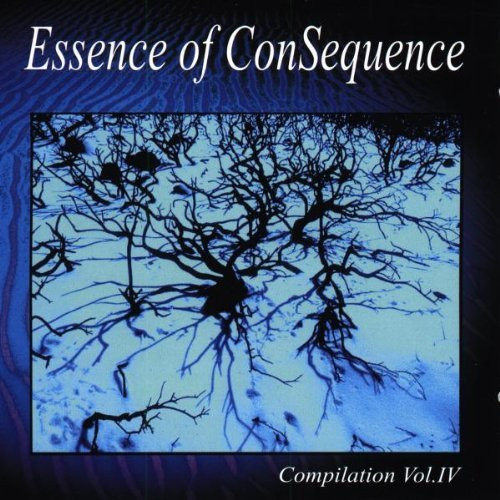
Essence Of ConSequence Vol. IV
Various · 2002
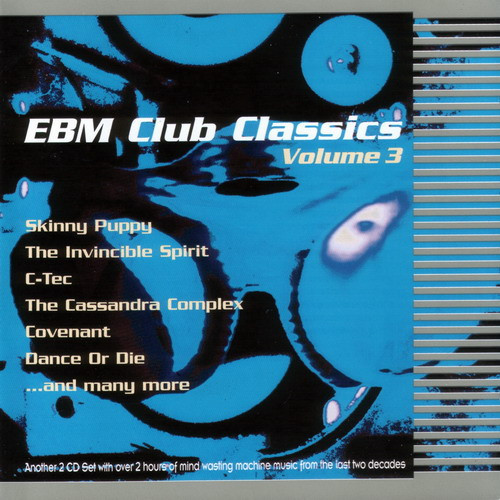
EBM Club Classics Vol. 3
Various · 2001
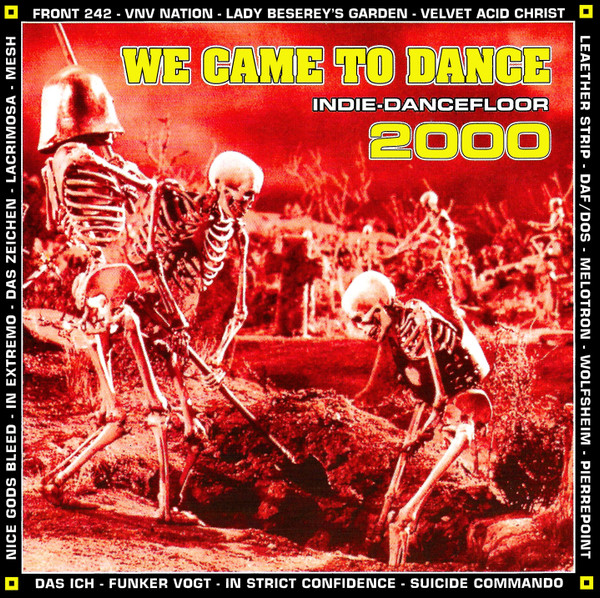
We Came To Dance 2000
Various · 1999
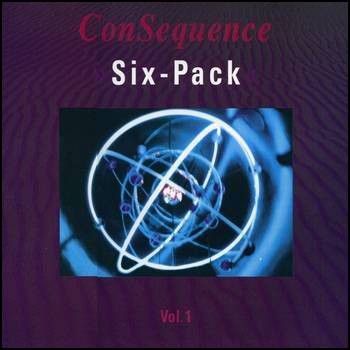
Consequence Six-Pack Vol. 1
Various · 1998
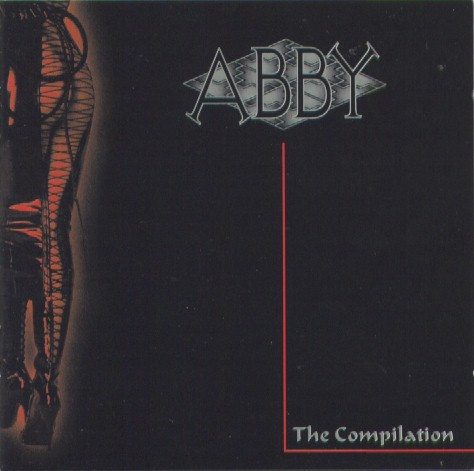
Abby (The Compilation)
Various · 1998
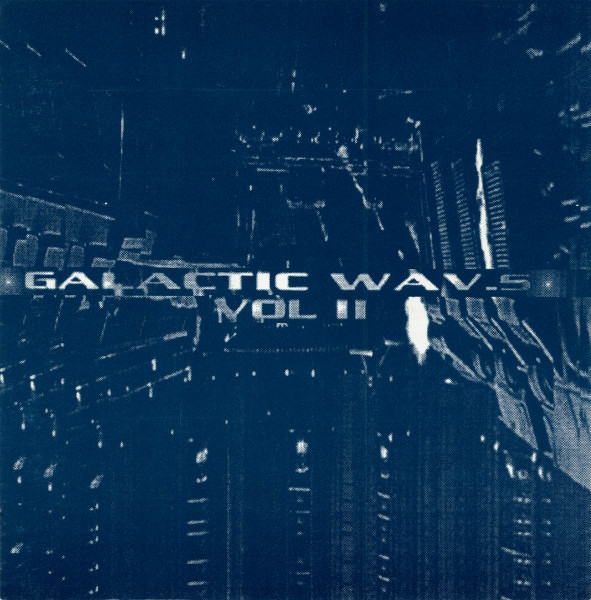
Galactic Wav.s Vol II
Various · 1998
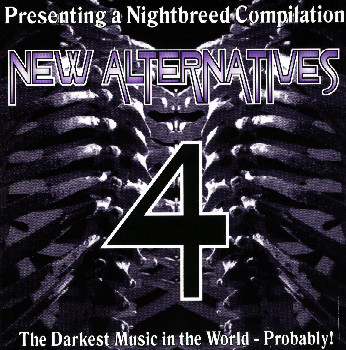
New Alternatives Four
Various · 1998
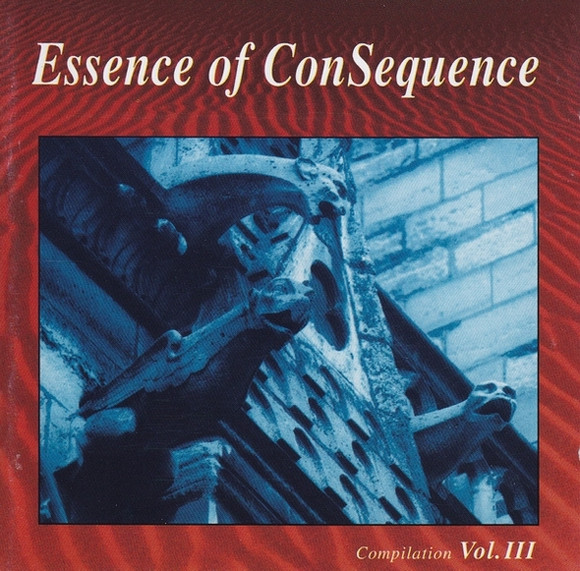
Essence Of Consequence Vol.III
Various · 1998
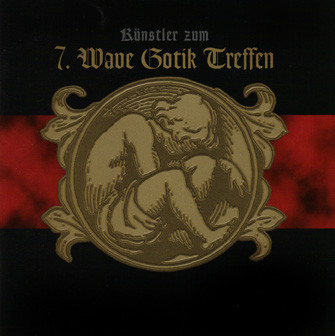
Künstler Zum 7. Wave-Gotik-Treffen
Various · 1998
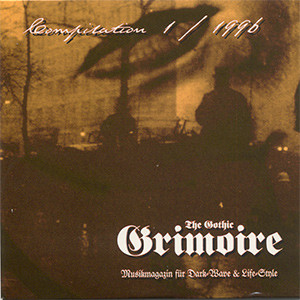
The Gothic Grimoire - Compilation 1/1996
Various · 1996
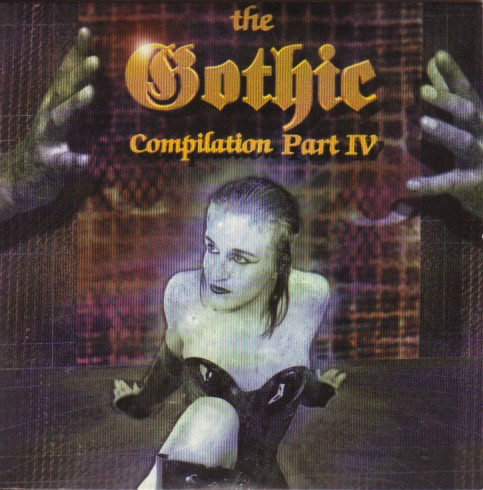
The Gothic Compilation Part IV
Various · 1996
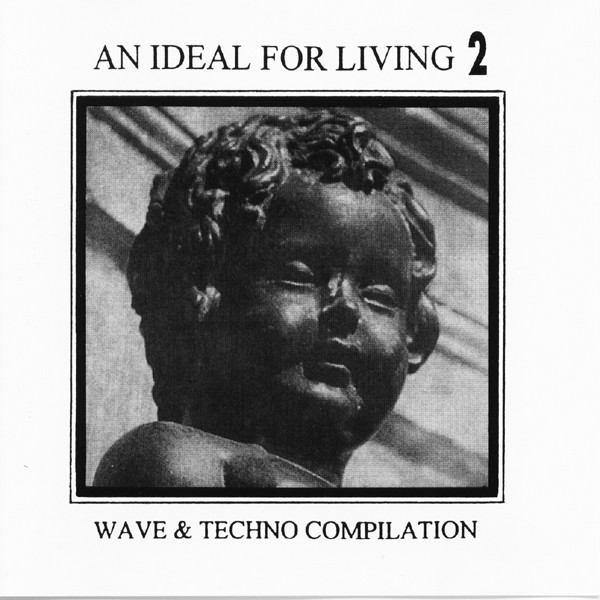
An Ideal For Living 2
Various · 1995
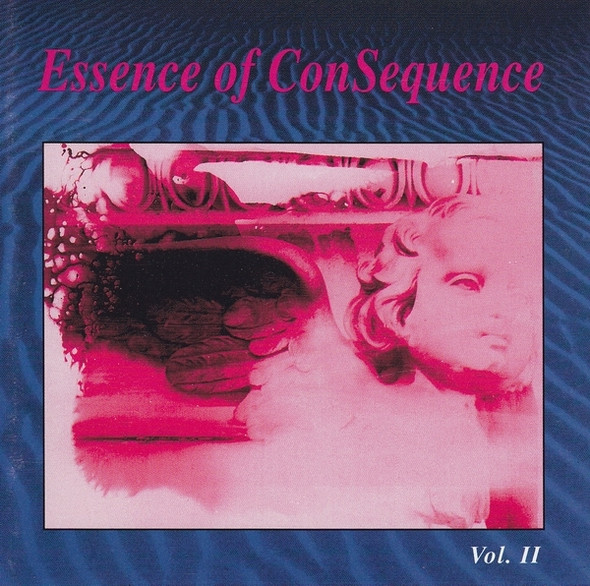
Essence Of Consequence Vol. II
Various · 1995
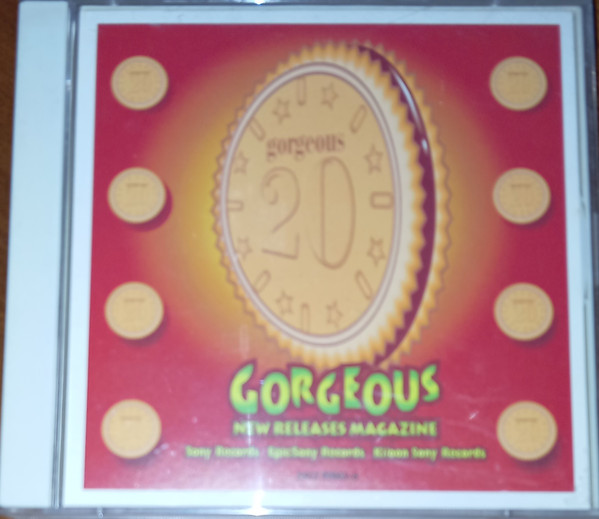
Gorgeous - New Releases Magazine - Gorgeous 20
Various · 1995

Gorgeous - New Releases Magazine - Gorgeous 19
Various · 1995
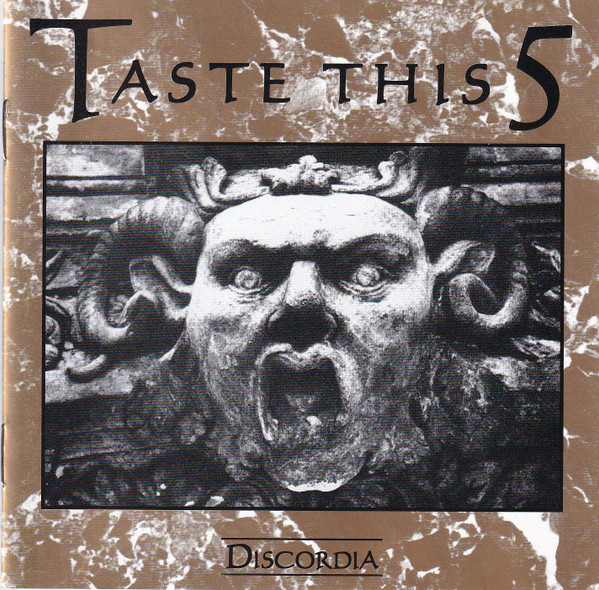
Taste This 5
Various · 1995
Essence Of ConSequence
Various · 1994
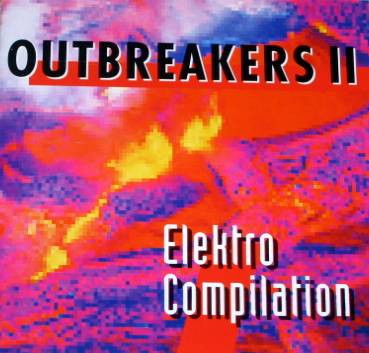
Outbreakers II
Various · 1994
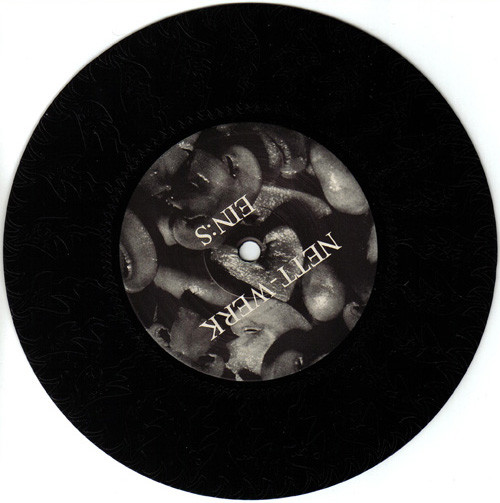
Nett-Werk Ein:s
Various · 1994
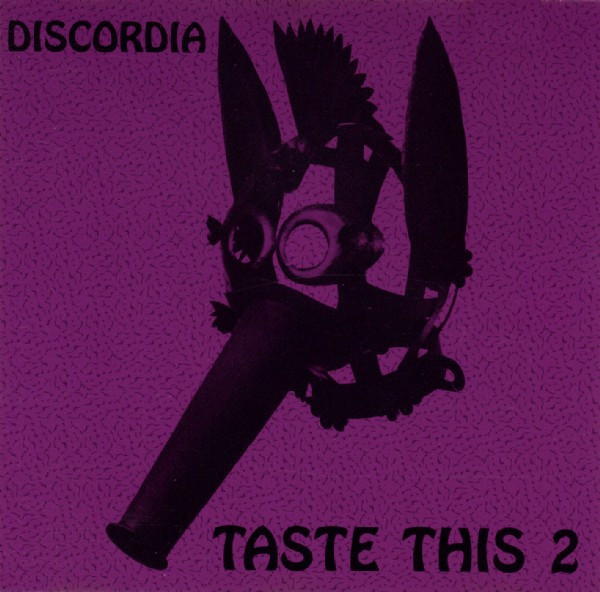
Taste This 2
Various · 1994

Fish, Sex, Cigarettes & Money
Various · 1993
Showing 30 of 33 — open Recordz for the full list