 Recordz
About
Dionysis Savvopoulos was a Greek music composer, lyricist, singer, producer, and writer. Born 2 December 1944 in Thessaloniki, Greece - Died 21 October 2025 in Athens, Greece.
He is considered the inspirer and pioneer of the school of the Greek singer-songwriters. His overall work forms a hybrid synthetic idiom, in which organic elements of Western classical music, Greek traditional and Byzantine modalism, rebetiko song, as well as the Anglo-Saxon folk and rock aesthetics of the 1960s coexist. He wrote songs with political, romantic, and satirical content. He became very popular, both in Greece and abroad.
In 1963, he hitchhiked on a red Volvo truck to Athens, terminating his law studies in favour of his career in music (the title of his debut album, "", is an allusion to his hitchhiking experience). He took various odd jobs, including working as a nude model for students in the Athens School of Fine Arts and as a journalist in a newspaper. He often slept on benches.
From 1964 to 1966, he appeared in various night clubs, singing and playing his guitar. His cut a demo of four songs, recorded at Columbia Studio, with vocals by himself after Lyra director Alékos Patsifás insistence. That demo resulted in his first record release, "".
He was noted for being politically active throughout his career in music. During the military junta, he was imprisoned twice for his political convictions, in August and September 1967. During his imprisonment he wrote the songs "Η Δημοσθένους Λέξις", "Η Θεία Μάρω" & "Θαλασσογραφία". After his release from prison, he married on 28 October 1967 and they immediately left for Paris, France (he with a fake passport). Later, in 1968, they moved to Milan, Italy and in October of the same year they returned to Greece due to his wife's pregnacy. The adventures abroad, along with songs written and completed in the immediate aftermath, formed the material for his second album, "".
Between December 1968 and 1971/2, he appeared at 'Rodeo' club and then, for two years (1971/2-1973/4) at club, where he turned his appearances into a kind of multi-show. (Although never a member of , Savvopoulos found their name and they were his backing band from 1969 until 1972, playing in two of his records "Το Περιβόλι Του Τρελλού" (uncredited) and "" (credited). They were his backing band at the 'Rodeo' club).
On 3 October 1976, he refused on stage to accept the award for best music for ' film "Happy Day", which was awarded to him by the jury of the Thessaloniki Film Festival.
In April 1983, he released his most commercially successful album, .
On 19 September 1983, he gave a concert at the , the first ever concert given at that venue.
He later became head of the 's music production, introducing , , and others to the public.
In 1986, he collaborated with to produce the TV show "Ζήτω το Ελληνικό Τραγούδι".
His next album, , which was accompanied by a change in his political beliefs, caused a lot of negative reactions and criticism. His fanatical audience stopped following him and his appearances at the club 'Zoom' were held in front of a maximum of twenty people who disapproved of him and threw ten-drachma coins at him on stage. That situation forced him to leave for several months in New York City, where he appeared twice a week at the club 'Θίασος' in Manhattan. Upon his return, he appeared for two years on the stage of the club 9/8 amidst universal acceptance by the audience.
At the invitation of ΕΡΤ, he performed his song "Πρώτη Τού Δύο Χιλιάδες" right at the midnight of 1/1/2000 at the , backed by the .
On 24 November 2017, he was honoured by the , awarded an Honorary Doctorate of the Department of Philology of the School of Philosophy, in recognition of his long and distinguished contribution to Greek music and lyricism.
He is considered the inspirer and pioneer of the school of the Greek singer-songwriters. His overall work forms a hybrid synthetic idiom, in which organic elements of Western classical music, Greek traditional and Byzantine modalism, rebetiko song, as well as the Anglo-Saxon folk and rock aesthetics of the 1960s coexist. He wrote songs with political, romantic, and satirical content. He became very popular, both in Greece and abroad.
In 1963, he hitchhiked on a red Volvo truck to Athens, terminating his law studies in favour of his career in music (the title of his debut album, "", is an allusion to his hitchhiking experience). He took various odd jobs, including working as a nude model for students in the Athens School of Fine Arts and as a journalist in a newspaper. He often slept on benches.
From 1964 to 1966, he appeared in various night clubs, singing and playing his guitar. His cut a demo of four songs, recorded at Columbia Studio, with vocals by himself after Lyra director Alékos Patsifás insistence. That demo resulted in his first record release, "".
He was noted for being politically active throughout his career in music. During the military junta, he was imprisoned twice for his political convictions, in August and September 1967. During his imprisonment he wrote the songs "Η Δημοσθένους Λέξις", "Η Θεία Μάρω" & "Θαλασσογραφία". After his release from prison, he married on 28 October 1967 and they immediately left for Paris, France (he with a fake passport). Later, in 1968, they moved to Milan, Italy and in October of the same year they returned to Greece due to his wife's pregnacy. The adventures abroad, along with songs written and completed in the immediate aftermath, formed the material for his second album, "".
Between December 1968 and 1971/2, he appeared at 'Rodeo' club and then, for two years (1971/2-1973/4) at club, where he turned his appearances into a kind of multi-show. (Although never a member of , Savvopoulos found their name and they were his backing band from 1969 until 1972, playing in two of his records "Το Περιβόλι Του Τρελλού" (uncredited) and "" (credited). They were his backing band at the 'Rodeo' club).
On 3 October 1976, he refused on stage to accept the award for best music for ' film "Happy Day", which was awarded to him by the jury of the Thessaloniki Film Festival.
In April 1983, he released his most commercially successful album, .
On 19 September 1983, he gave a concert at the , the first ever concert given at that venue.
He later became head of the 's music production, introducing , , and others to the public.
In 1986, he collaborated with to produce the TV show "Ζήτω το Ελληνικό Τραγούδι".
His next album, , which was accompanied by a change in his political beliefs, caused a lot of negative reactions and criticism. His fanatical audience stopped following him and his appearances at the club 'Zoom' were held in front of a maximum of twenty people who disapproved of him and threw ten-drachma coins at him on stage. That situation forced him to leave for several months in New York City, where he appeared twice a week at the club 'Θίασος' in Manhattan. Upon his return, he appeared for two years on the stage of the club 9/8 amidst universal acceptance by the audience.
At the invitation of ΕΡΤ, he performed his song "Πρώτη Τού Δύο Χιλιάδες" right at the midnight of 1/1/2000 at the , backed by the .
On 24 November 2017, he was honoured by the , awarded an Honorary Doctorate of the Department of Philology of the School of Philosophy, in recognition of his long and distinguished contribution to Greek music and lyricism.
Discography
440 releases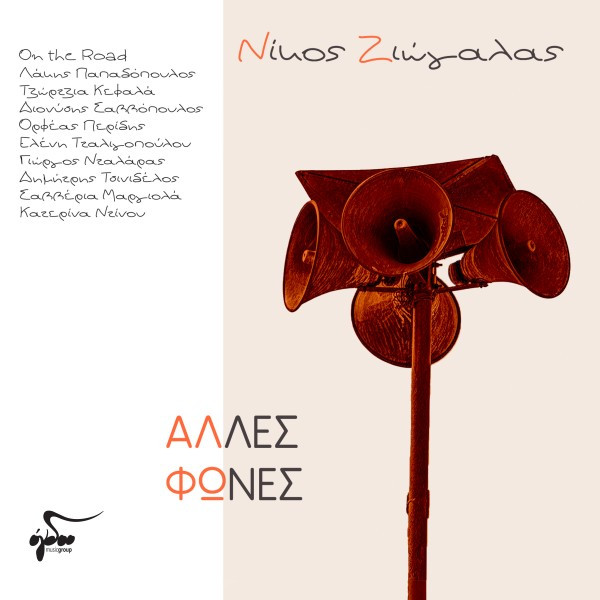
Άλλες Φωνές
Νίκος Ζιώγαλας ,Ερμηνεύουν Γιώργος Νταλάρας, Λάκης Παπαδόπουλος, Ορφέας Περίδης, Τζώρτζια Κεφαλά, Διονύσης Σαββόπουλος, Ελένη Τσαλιγοπούλου · 2023
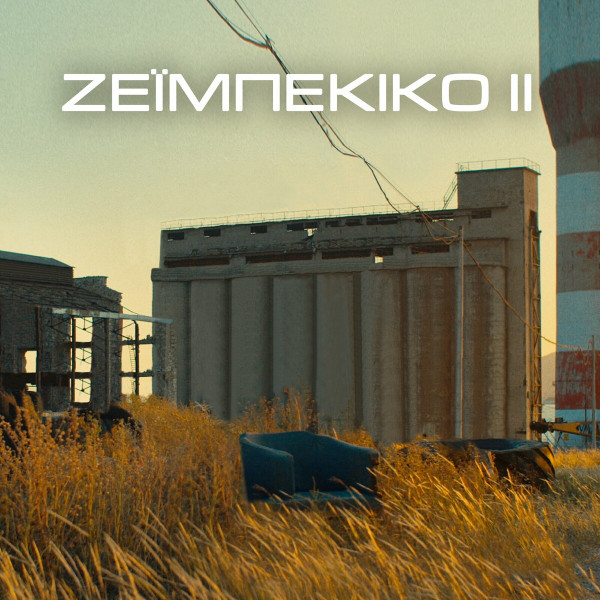
Ζεϊμπέκικο II
Διονύσης Σαββόπουλος, Μικρός Κλέφτης, Marina Satti · 2023
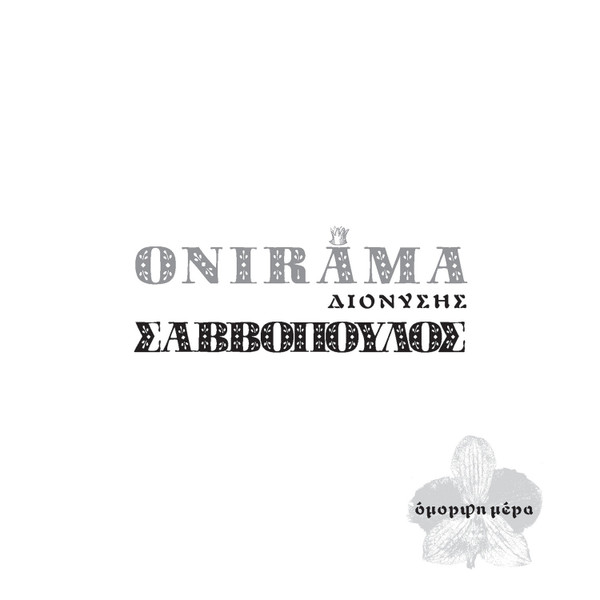
Όμορφη Μέρα
Onirama, Διονύσης Σαββόπουλος · 2021
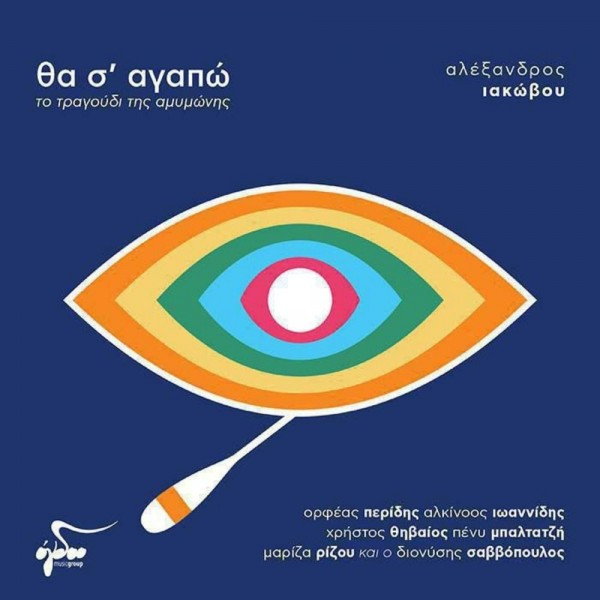
Θα Σ' Αγαπώ - Το Τραγούδι Της Αμυμώνης
Αλέξανδρος Ιακώβου ,Ερμηνεύουν Ορφέας Περίδης, Αλκίνοος Ιωαννίδης, Χρήστος Θηβαίος, Πέννυ Μπαλτατζή, Μαρίζα Ρίζου ,Και Ο Διονύσης Σαββόπουλος · 2019

Πατημασιές Στο Χιόνι
Γιώργος Χατζηπιερής ,Συμμετέχουν Eleftheria Arvanitaki, Διονύσης Σαββόπουλος, Κορίνα Λεγάκη, Απόστολος Ρίζος · 2019
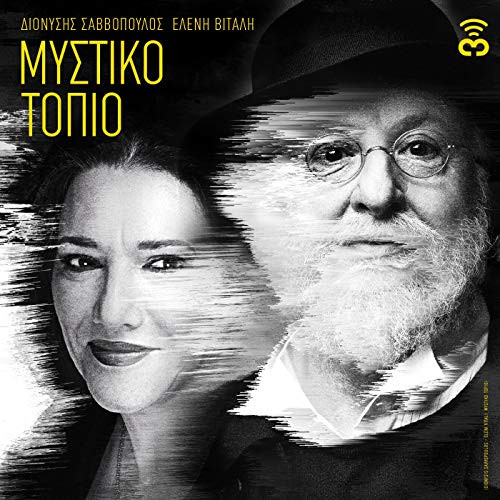
Μυστικό Τοπίο
Διονύσης Σαββόπουλος, Ελένη Βιτάλη · 2016
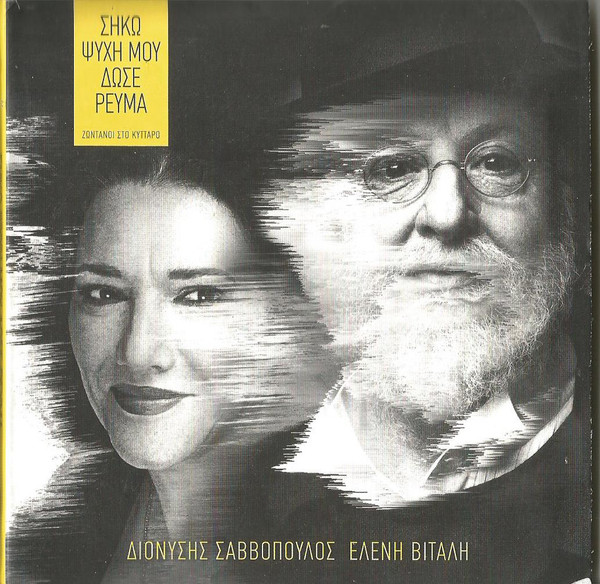
Σήκω Ψυχή Μου Δώσε Ρεύμα (Ζωντανοί Στο Κύτταρο)
Διονύσης Σαββόπουλος, Ελένη Βιτάλη · 2016
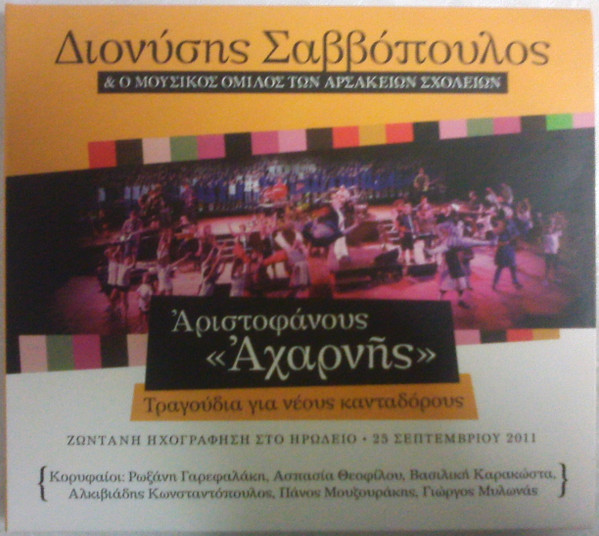
Αριστοφάνους Αχαρνής
Διονύσης Σαββόπουλος · 2014
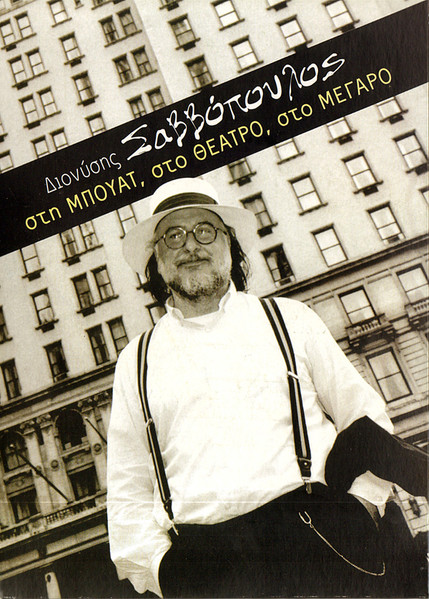
Στη Μπουάτ, Στο Θέατρο, Στο Μέγαρο
Διονύσης Σαββόπουλος · 2010
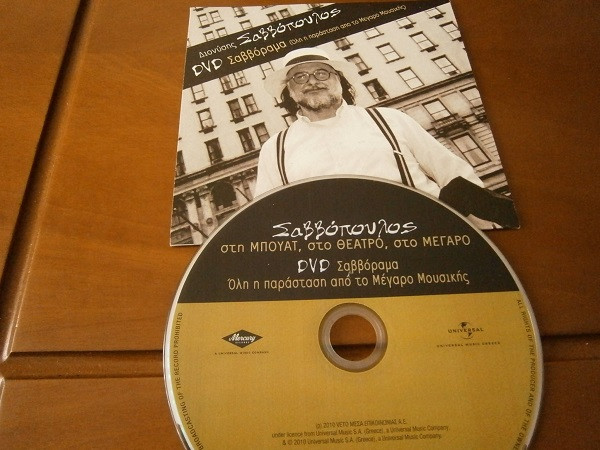
Σαββόραμα(Όλη Η Παράσταση Από Το Μέγαρο Μουσικής)
Διονύσης Σαββόπουλος · 2010
Κάτω Απ' Το Βλέμμα Του Ήλιου
Χορωδία Του Σωματείου Ταμείο Ευημερίας Υπαλλήλων Αρχής Τηλεπικοινωνιών Κύπρου Ερμηνεύουν Mikis Theodorakis, Manos Hadjidakis, Διονύσης Σαββόπουλος · 2010
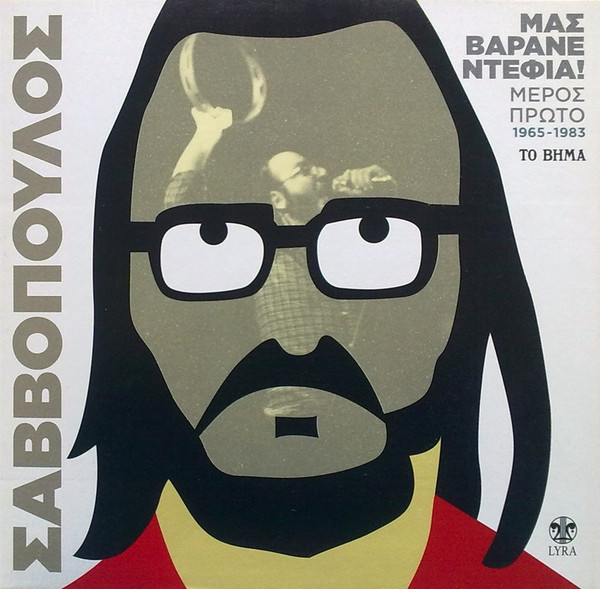
Μας Βαράνε Ντέφια! - Μέρος Πρώτο 1965-1983
Σαββόπουλος* · 2009
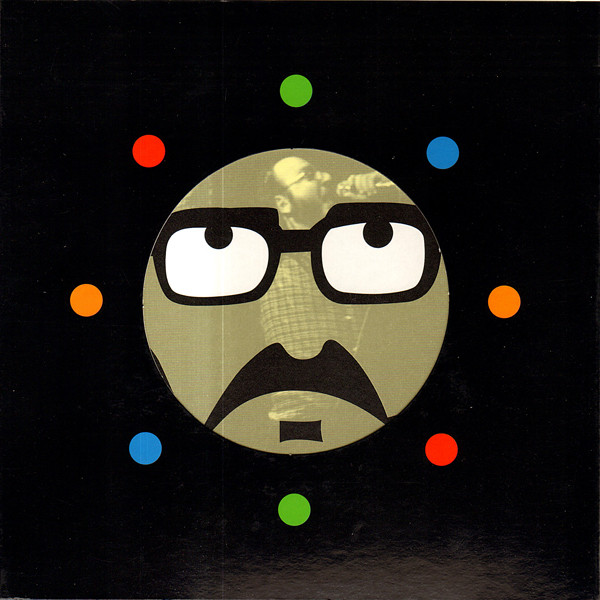
Μας Βαράνε Ντέφια!
Σαββόπουλος* · 2009
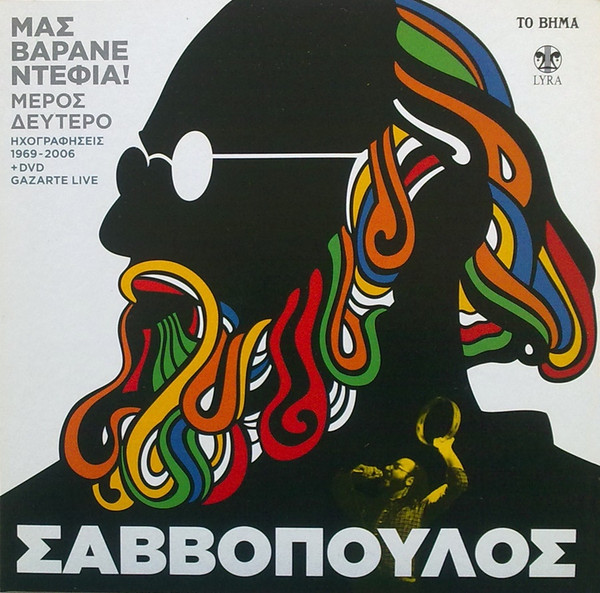
Μας Βαράνε Ντέφια! - Μέρος Δεύτερο
Σαββόπουλος* · 2009

Η Επιστροφή Του Τεμπέλη Δράκου
Γιώργος Χατζηπιερής ,Συμμετέχουν Αλκίνοος Ιωαννίδης, Έλλη Πασπαλά, Διονύσης Σαββόπουλος, Φοίβος Δεληβοριάς, Eleftheria Arvanitaki · 2009
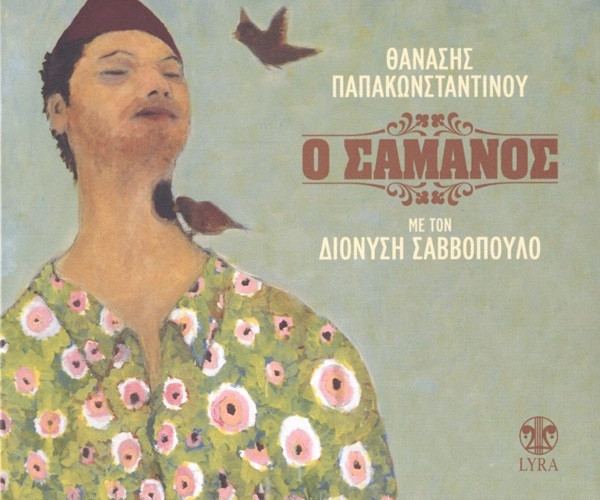
Ο Σαμάνος
Θανάσης Παπακωνσταντίνου Με Τον Διονύση Σαββόπουλο* · 2008
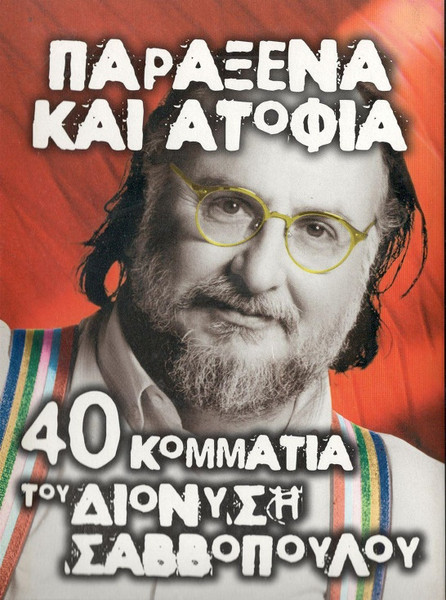
Παράξενα Και Ατόφια 40 Κομμάτια Του Διονύση Σαββόπουλου
Διονύσης Σαββόπουλος · 2008
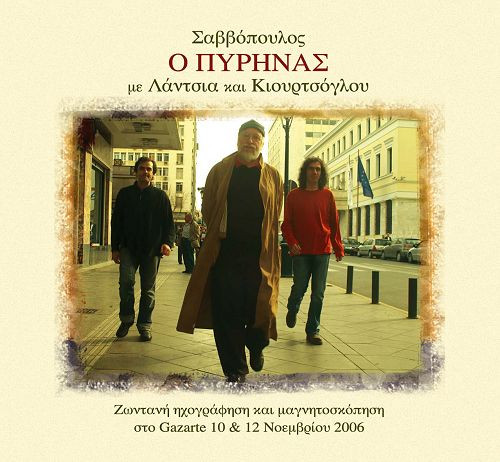
Ο Πυρήνας
Διονύσης Σαββόπουλος Με Λάντσια* Και Κιουρτσόγλου* · 2007
Φεύγω
Διονύσης Σαββόπουλος · 2007
Είτε Έχεις, Είτε Δεν Έχεις
Γιώργος Ζήκας Συμμετέχουν Διονύσης Σαββόπουλος, Ελένη Βιτάλη, Άννα Κονανούδη · 2007
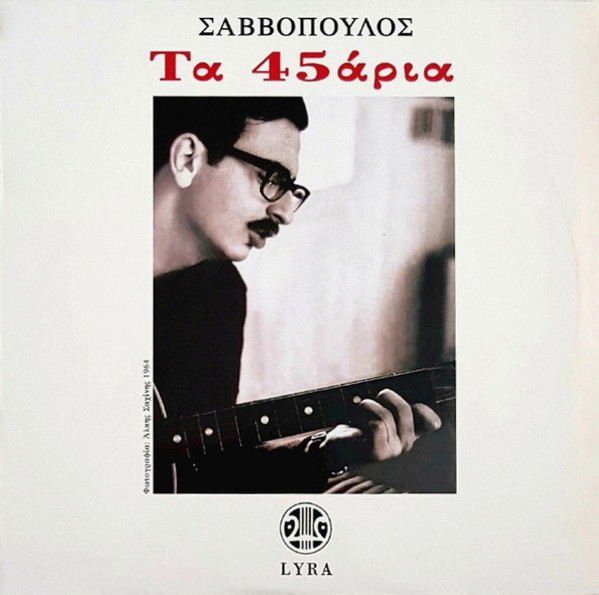
Τα 45άρια
Σαββόπουλος* · 2005
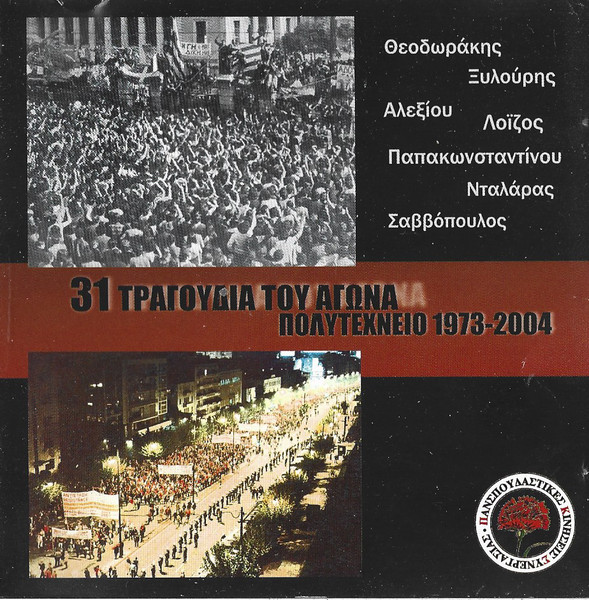
31 Τραγούδια Του Αγώνα Πολυτεχνείο 1973 - 2004
Mikis Theodorakis, Νίκος Ξυλούρης, Χάρις Αλεξίου, Μάνος Λοΐζος, Βασίλης Παπακωνσταντίνου, Γιώργος Νταλάρας, Διονύσης Σαββόπουλος · 2004
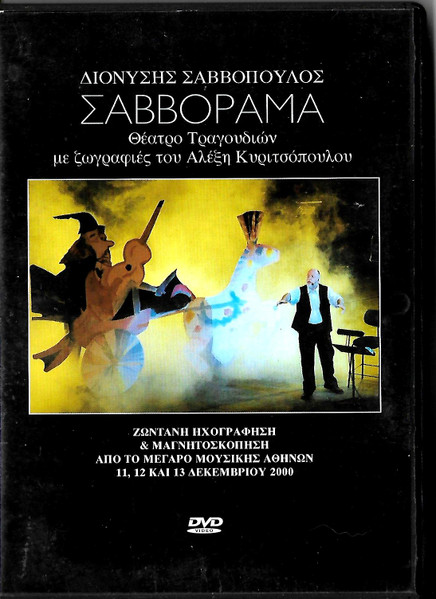
Σαββόραμα Θέατρο Τραγουδιών Με Ζωγραφιές Του Αλέξη Κυριτσόπουλου
Διονύσης Σαββόπουλος · 2003
Συγγενείς Και Φίλοι
Ρεμπέτικη Κομπανία , Φιλική Συμμετοχή Διονύσης Σαββόπουλος - Δόμνα Σαμίου · 2001
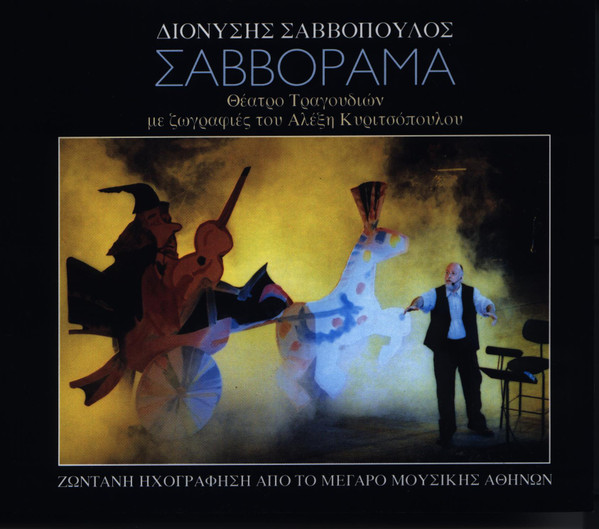
Σαββόραμα (Ζωντανή Ηχογράφηση Από Το Μέγαρο Μουσικής Αθηνών)
Διονύσης Σαββόπουλος · 2001
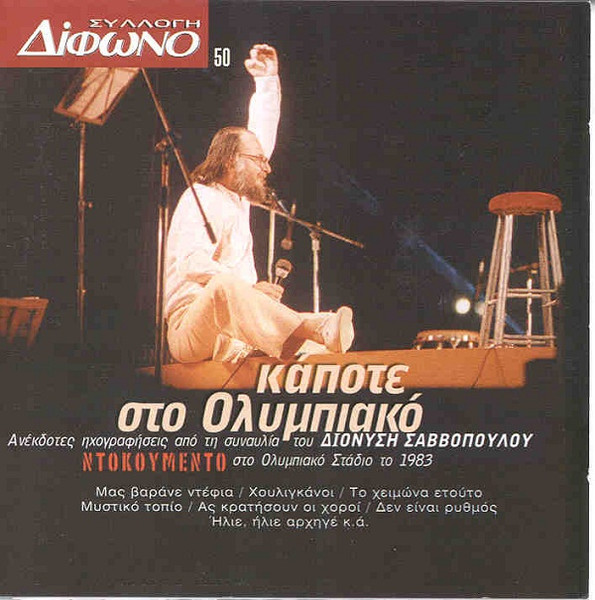
Κάποτε Στο Ολυμπιακό
Διονύσης Σαββόπουλος · 1999
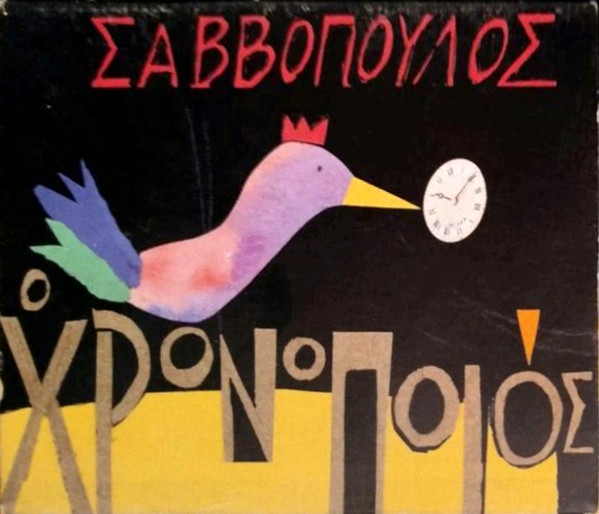
Ο Χρονοποιός
Διονύσης Σαββόπουλος · 1999
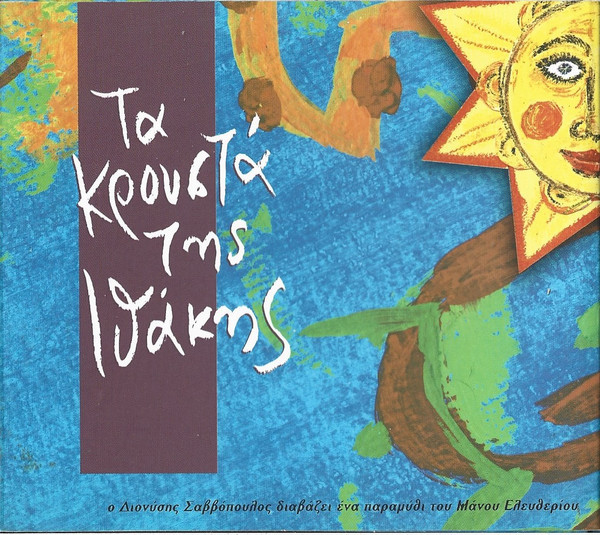
Τα Κρουστά Της Ιθάκης
Τα Κρουστά Της Ιθάκης , Ο Διονύσης Σαββόπουλος Διαβάζει Ένα Ποίημα Του Μάνου Ελευθερίου* · 1999
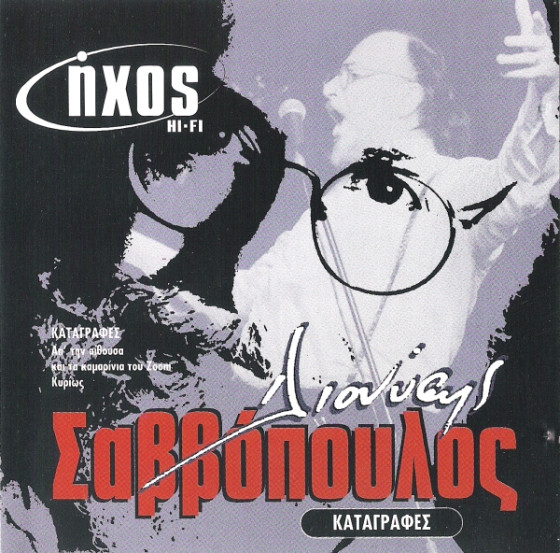
Καταγραφές
Διονύσης Σαββόπουλος · 1997
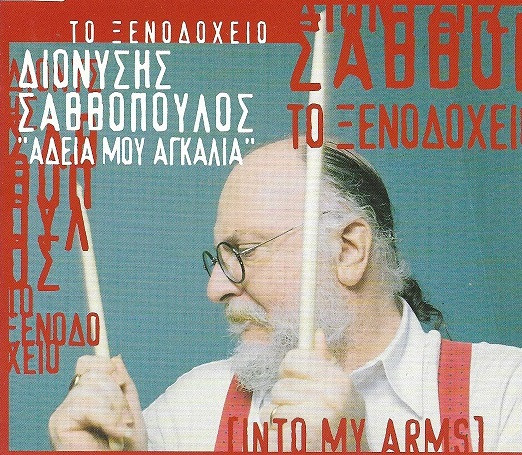
Το Ξενοδοχείο - Άδεια Μου Αγκαλιά (Into My Arms)
Διονύσης Σαββόπουλος · 1997
Showing 30 of 440 — open Recordz for the full list