 Recordz
About
Big Band formed by Earl Hines in 1928 as a rehearsal band while he was appearing with Jimmie Noone's Apex Club Orchestra.
The group worked to combine the Hot Chicago sound with the arranged, twelve-piece orchestral big band. The band used many different arrangers. The Hines band usually comprised 15-20 musicians on stage, occasionally up to 28. Among the band's many members were Wallace Bishop, Alvin Burroughs, Scoops Carry, Oliver Coleman, Bob Crowder, Thomas Crump, George Dixon, Julian Draper, Streamline Ewing, Ed Fant, Milton Fletcher, Walter Fuller, Dizzy Gillespie, Leroy Harris, Woogy Harris, Darnell Howard, Cecil Irwin, Harry 'Pee Wee' Jackson, Warren Jefferson, Budd Johnson, Jimmy Mundy, Ray Nance, Charlie Parker, Willie Randall, Omer Simeon, Cliff Smalls, Leon Washington, Freddie Webster, Quinn Wilson and Trummy Young. Occasionally, Hines allowed other pianists to play as "relief" piano player which better allowed Hines to conduct his whole "Organization". Several pianists filled in, such as Jess Stacy, Nat "King" Cole, and Teddy Wilson (Cliff Smalls was his favorite).
In 1928 Hines and his orchestra opened at Chicago's Grand Terrace Cafe. For many years, the Hines big band broadcast live from the Grand Terrace, garnering a huge nationwide audience.
In 1931, Earl Hines and his Orchestra "were the first big Negro band to travel extensively through the South". Hines referred to it as an "invasion" rather than a "tour". Between a bomb exploding under their bandstage in Alabama (" ...we didn't none of us get hurt but we didn't play so well after that either") and numerous threatening encounters with the Police, the experience proved so harrowing that Hines in the 1960s recalled that, "You could call us the first Freedom Riders". For the most part, any contact with whites, even fans, was viewed as dangerous. Finding places to eat or stay overnight entailed a constant struggle.
Hines led his big band for 20 years, right up to the demise of big swing bands in the postwar period. During the WWII years, the Hines band was a hotbed of experimentation and new directions in jazz. Both Charlie Parker and Dizzy Gillespie worked with Hines, as did Benny Carter, Wardell Gray and Gene Ammons. Hines’ featured singers were Billy Eckstein and Sara Vaughan. And Budd Johnson updated Hines' arrangements to reflect the new musical vocabulary of Parker and Gillespie. By the 1950s Hines returned to work with Louis Armstrong on his All-Stars band. Eventually Hines settled in the Bay Area, forming his own Dixieland band.
The group worked to combine the Hot Chicago sound with the arranged, twelve-piece orchestral big band. The band used many different arrangers. The Hines band usually comprised 15-20 musicians on stage, occasionally up to 28. Among the band's many members were Wallace Bishop, Alvin Burroughs, Scoops Carry, Oliver Coleman, Bob Crowder, Thomas Crump, George Dixon, Julian Draper, Streamline Ewing, Ed Fant, Milton Fletcher, Walter Fuller, Dizzy Gillespie, Leroy Harris, Woogy Harris, Darnell Howard, Cecil Irwin, Harry 'Pee Wee' Jackson, Warren Jefferson, Budd Johnson, Jimmy Mundy, Ray Nance, Charlie Parker, Willie Randall, Omer Simeon, Cliff Smalls, Leon Washington, Freddie Webster, Quinn Wilson and Trummy Young. Occasionally, Hines allowed other pianists to play as "relief" piano player which better allowed Hines to conduct his whole "Organization". Several pianists filled in, such as Jess Stacy, Nat "King" Cole, and Teddy Wilson (Cliff Smalls was his favorite).
In 1928 Hines and his orchestra opened at Chicago's Grand Terrace Cafe. For many years, the Hines big band broadcast live from the Grand Terrace, garnering a huge nationwide audience.
In 1931, Earl Hines and his Orchestra "were the first big Negro band to travel extensively through the South". Hines referred to it as an "invasion" rather than a "tour". Between a bomb exploding under their bandstage in Alabama (" ...we didn't none of us get hurt but we didn't play so well after that either") and numerous threatening encounters with the Police, the experience proved so harrowing that Hines in the 1960s recalled that, "You could call us the first Freedom Riders". For the most part, any contact with whites, even fans, was viewed as dangerous. Finding places to eat or stay overnight entailed a constant struggle.
Hines led his big band for 20 years, right up to the demise of big swing bands in the postwar period. During the WWII years, the Hines band was a hotbed of experimentation and new directions in jazz. Both Charlie Parker and Dizzy Gillespie worked with Hines, as did Benny Carter, Wardell Gray and Gene Ammons. Hines’ featured singers were Billy Eckstein and Sara Vaughan. And Budd Johnson updated Hines' arrangements to reflect the new musical vocabulary of Parker and Gillespie. By the 1950s Hines returned to work with Louis Armstrong on his All-Stars band. Eventually Hines settled in the Bay Area, forming his own Dixieland band.
Members
Sarah VaughanRichard WilliamsJimmy ClevelandRene HallEarl HinesVic DickensonBennie GreenIvie AndersonWardell GraySnooky YoungGus JohnsonRay NanceAl GibbonsLester BooneValaida SnowHayes AlvisTrummy YoungBilly EckstineWillie CookRick HendersonHarry "Pee Wee" JacksonEmmett BerryKermit ScottHurley RameyOliver ColemanEdward FantWillie RandallBudd JohnsonHerb JeffriesWini BrownOmer SimeonMorris LaneTruck ParhamScoops CareyJesse MillerGeorge DixonGeorge HuntJoe McLewisShirley ClayJohn EwingRudy TraylorJimmy MundyBenny HarrisLeroy HarrisOliver JacksonHenderson ChambersBill PembertonChick BoothWalter FullerSkeeter BestFranz JacksonGeorge MitchellHuey LongFreddie WebsterJohn WilliamsAlvin BurroughsGerald ValentineShorty McConnellEd BurkeDarnell HowardQuinn WilsonEdward SimsRostelle ReeseWallace BishopRobert CrowderLeon WashingtonRichard HarrisMilton FletcherClaude RobertsCliff SmallsRuss AndrewsArthur WalkerCharlie AllenThomas CrumpIrv StokesDavid BoothLloyd SmithBill ThompsonLaura RuckerCecil IrwinGus ChappellToby TurnerBenny WashingtonMadeline GreenThe Three VarietiesLeon ScottLouis TaylorKenneth StuartWarren JeffersonLawrence DixonDruie BessWalter HarrisEddie SmithBob WyattWilliam FranklinAlan HareTommy EnochBobby DonaldsonNat AtkinsonBilly DouglasPalmer DavisGene ThomasErnest Williams
Discography
537 releases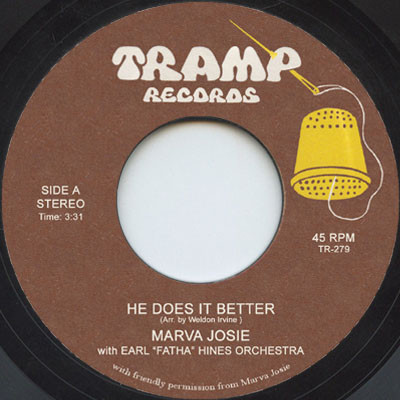
He Does It Better
Marva Josie With Earl "Fatha" Hines Orchestra* · 2020
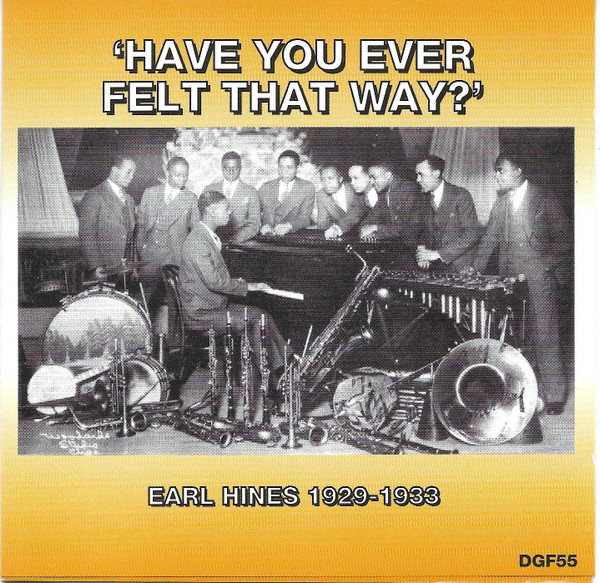
Have You Ever Felt That Way?
Earl Hines And His Orchestra · 2004
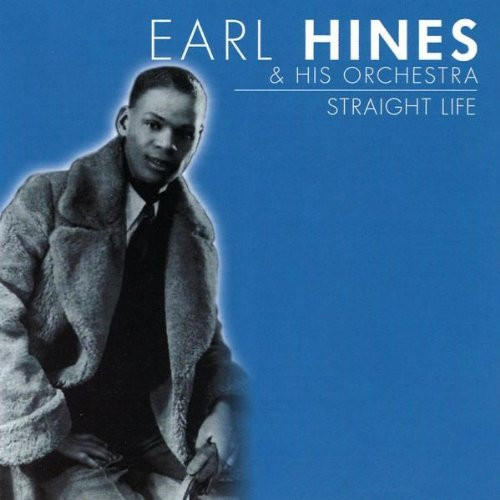
Straight Life
Earl Hines & His Orchestra* · 2002
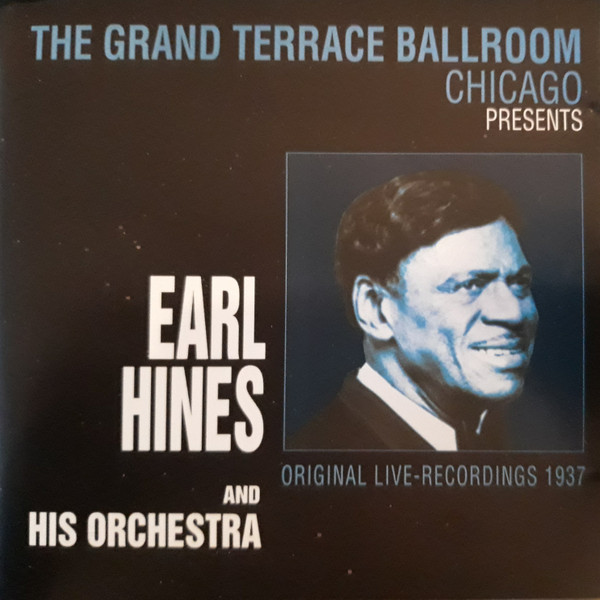
Earl Hines And His Orchestra - Original Live-Recordings 1937
Earl Hines And His Orchestra · 2001
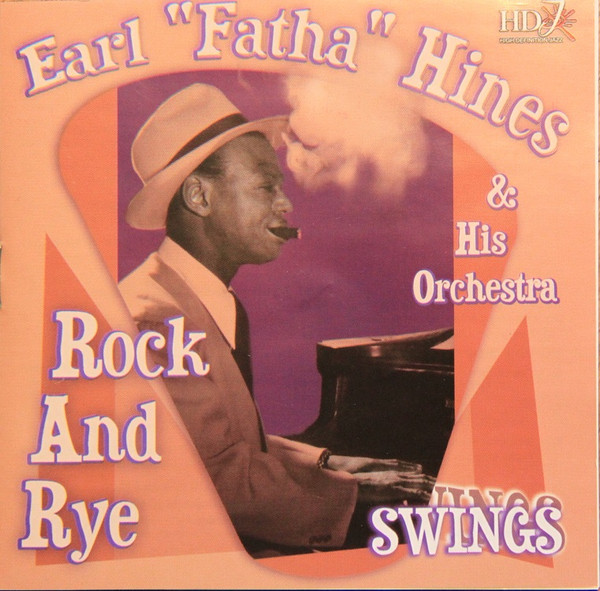
Rock And Rye
Earl Hines And His Orchestra · 2001
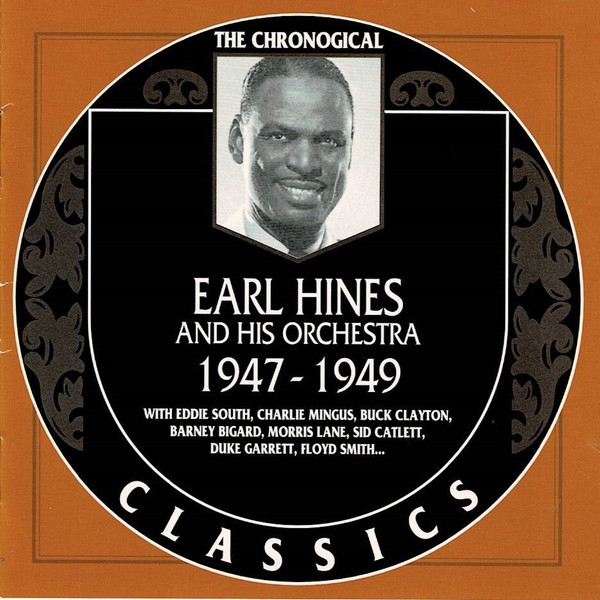
1947-1949
Earl Hines And His Orchestra · 2000
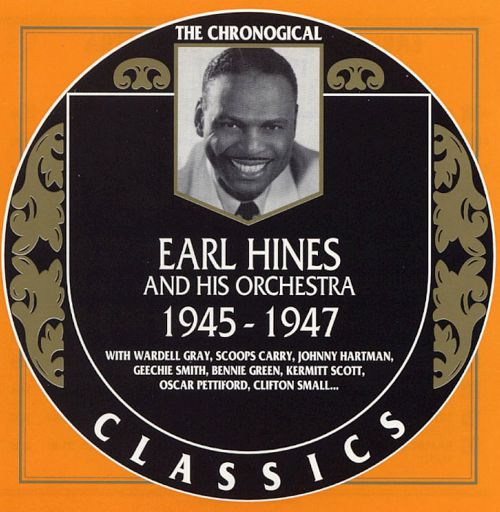
1945-1947
Earl Hines And His Orchestra · 1999
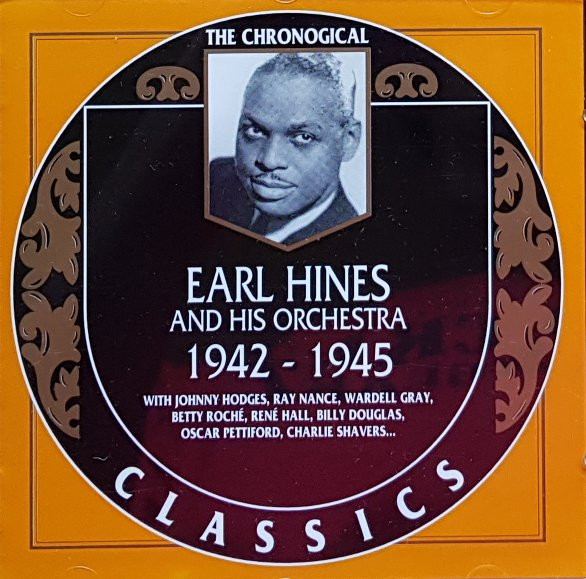
1942-1945
Earl Hines And His Orchestra · 1996
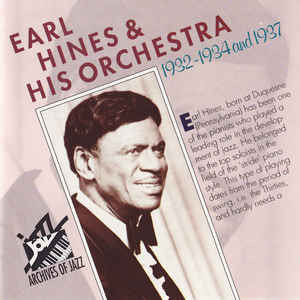
1932-1934 And 1937
Earl Hines And His Orchestra · 1995
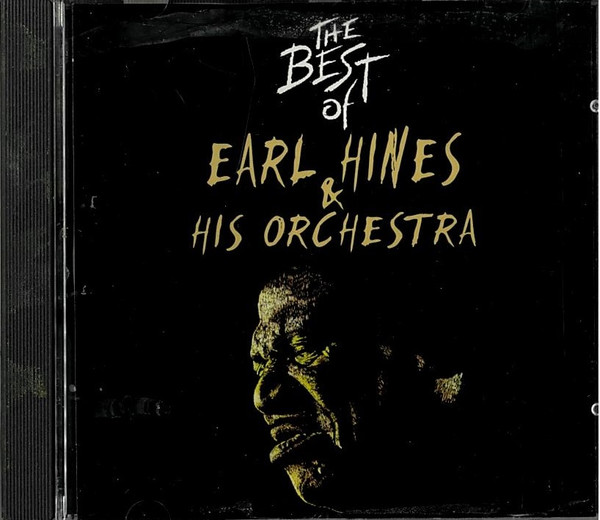
The Best Of Earl Hines & His Orchestra
Earl Hines & His Orchestra* · 1995
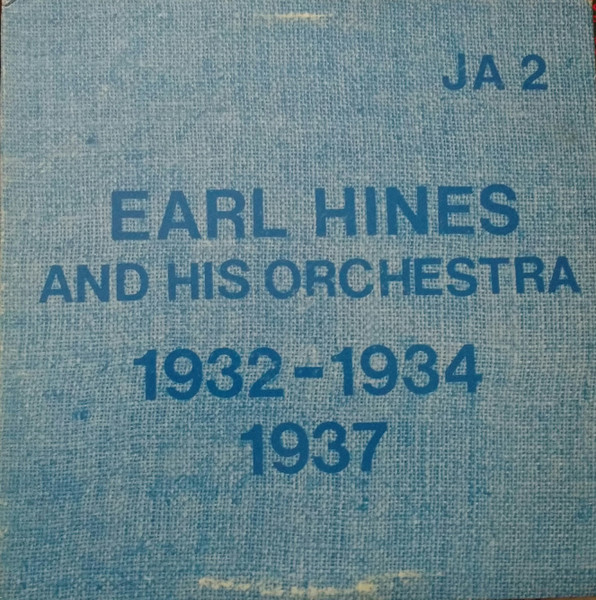
1932 - 1934 And 1937
Earl Hines And His Orchestra · 1995
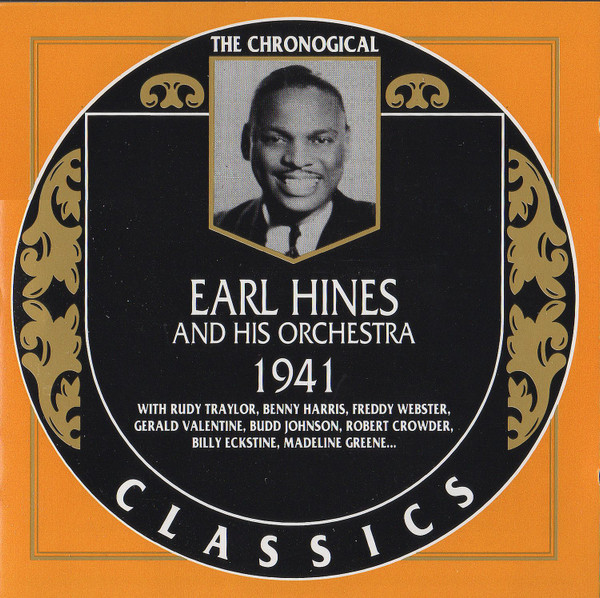
1941
Earl Hines And His Orchestra · 1991
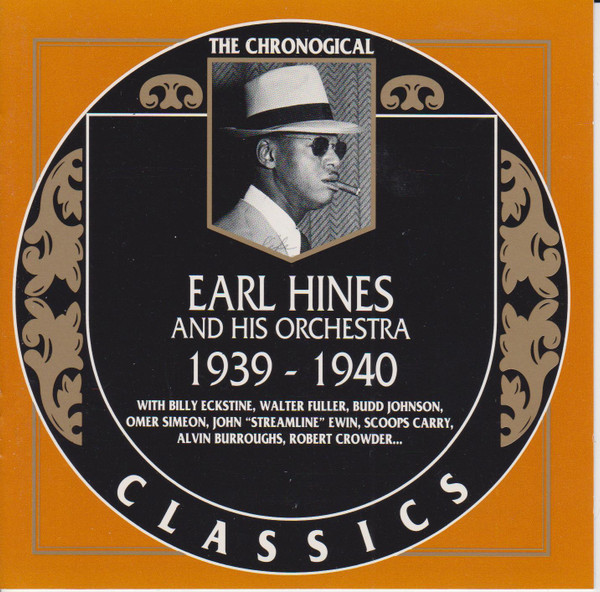
1939-1940
Earl Hines And His Orchestra · 1991
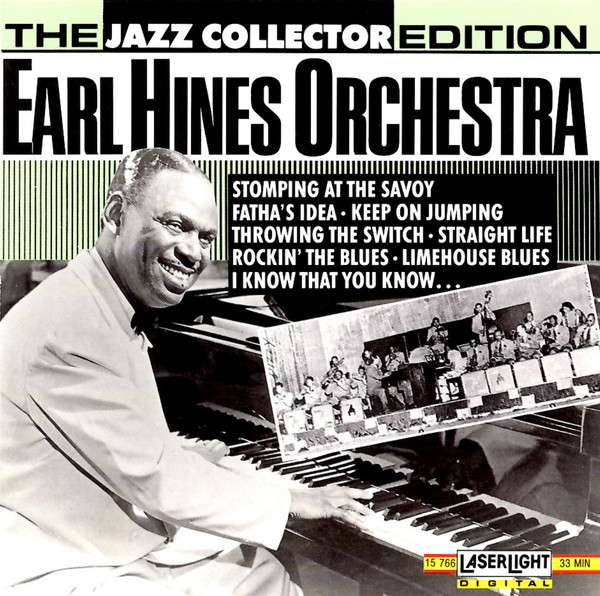
Earl Hines Orchestra
Earl Hines Orchestra* · 1991
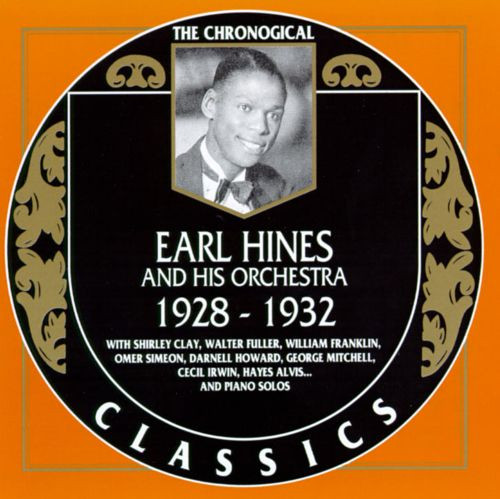
1928-1932
Earl Hines And His Orchestra · 1990
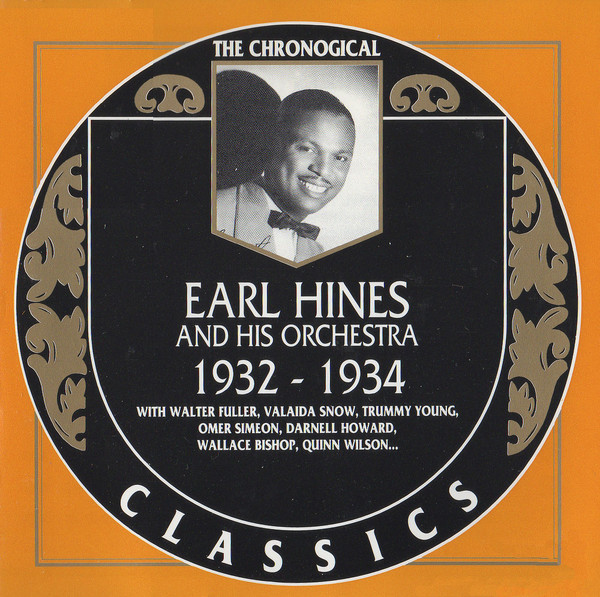
1932-1934
Earl Hines And His Orchestra · 1990
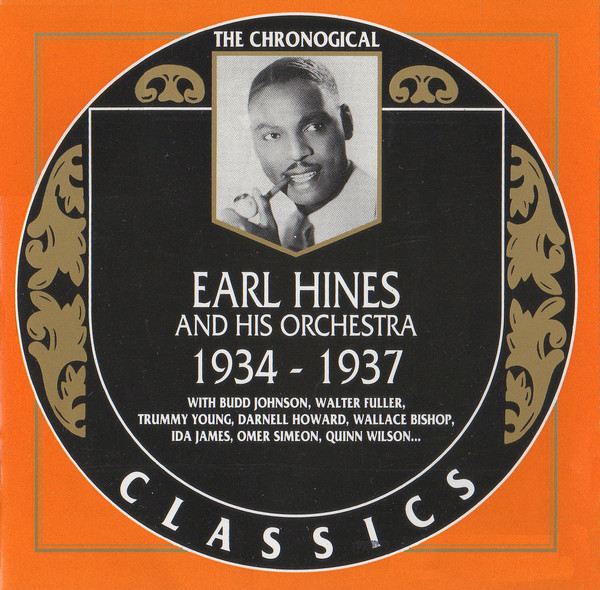
1934-1937
Earl Hines And His Orchestra · 1990
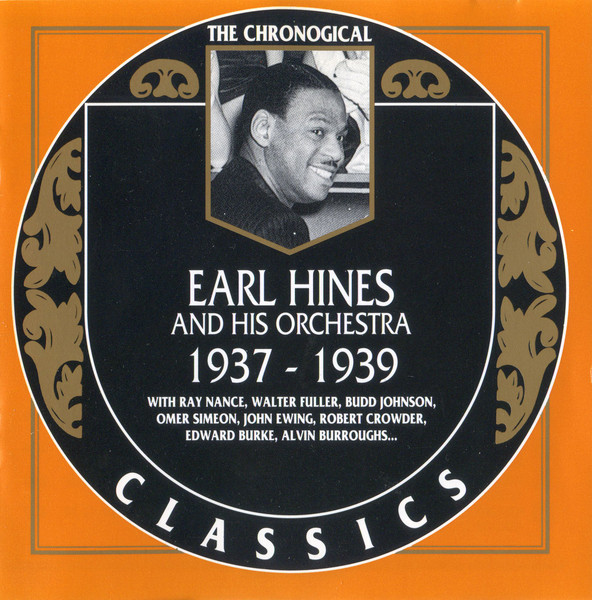
1937–1939
Earl Hines And His Orchestra · 1990
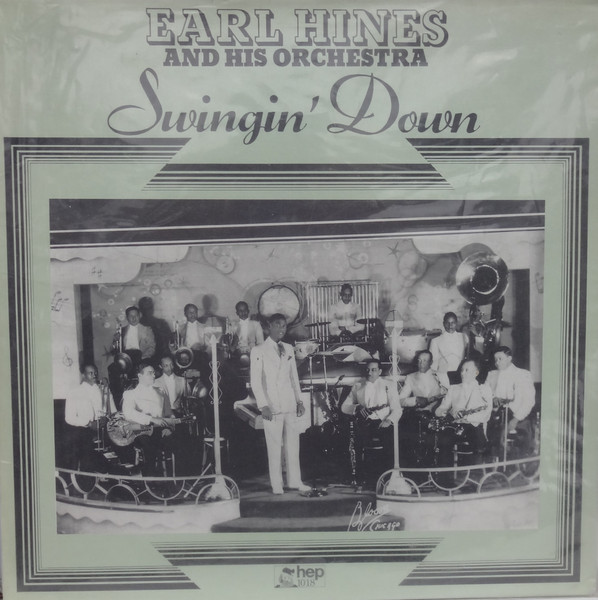
Swingin' Down
Earl Hines And His Orchestra · 1989
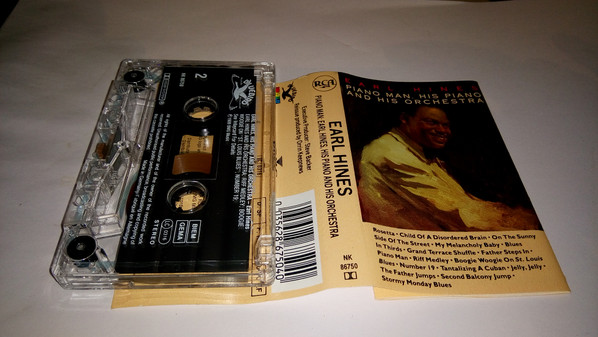
Piano Man His Piano And His Orchestra
Earl Hines And His Orchestra · 1989
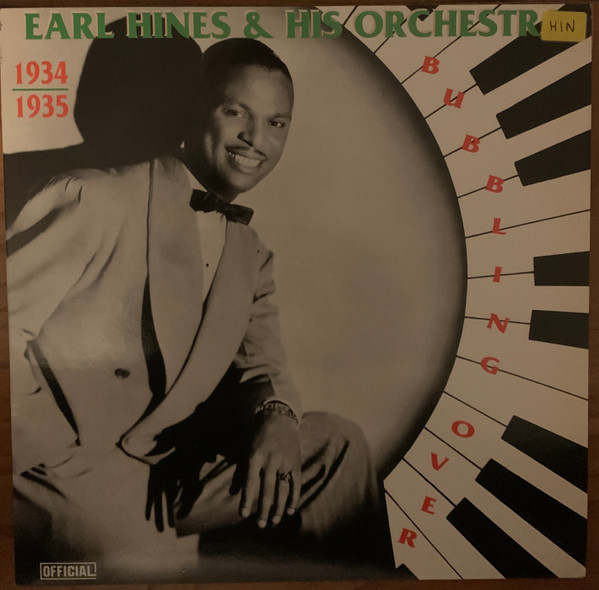
Bubbling Over (1934-1935)
Earl Hines & His Orchestra* · 1989
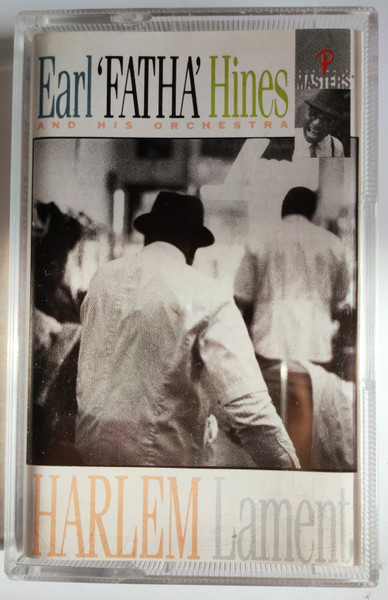
Harlem Lament
Earl Hines And His Orchestra · 1989
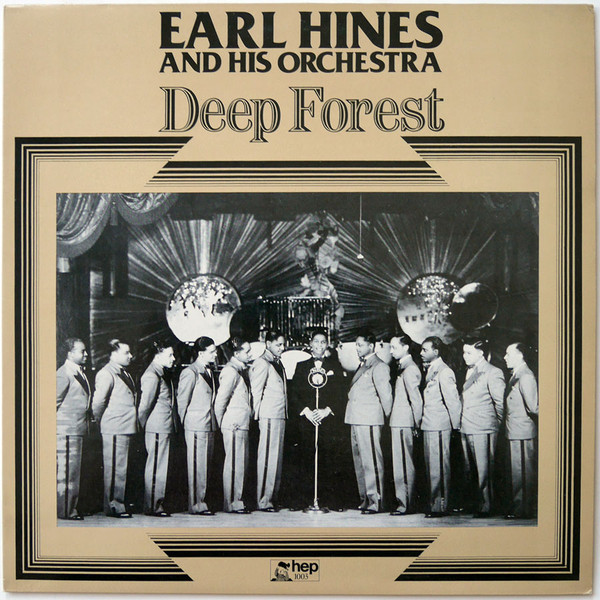
Deep Forest
Earl Hines And His Orchestra · 1984
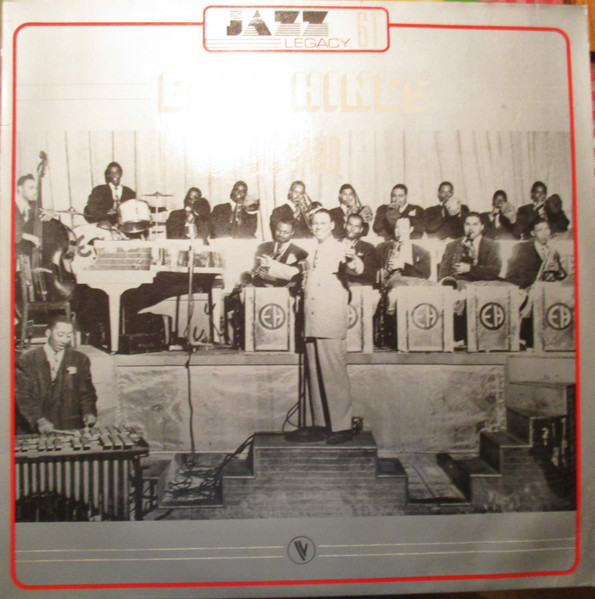
Big Band
Earl Hines Big Band* · 1982
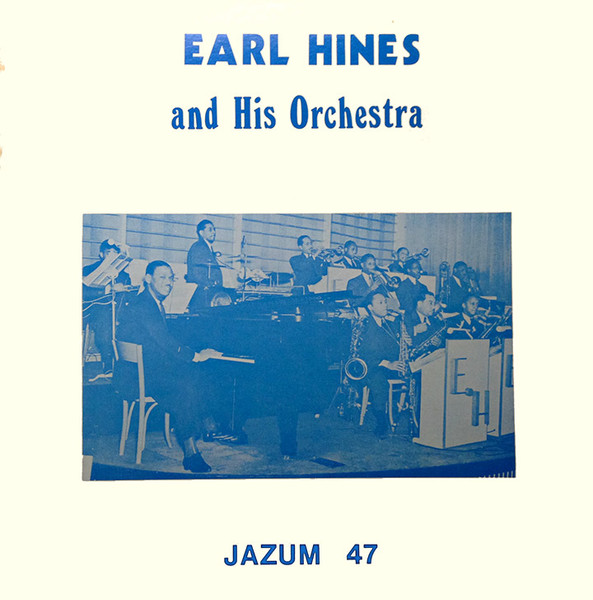
Jazum 47
Earl Hines And His Orchestra · 1976
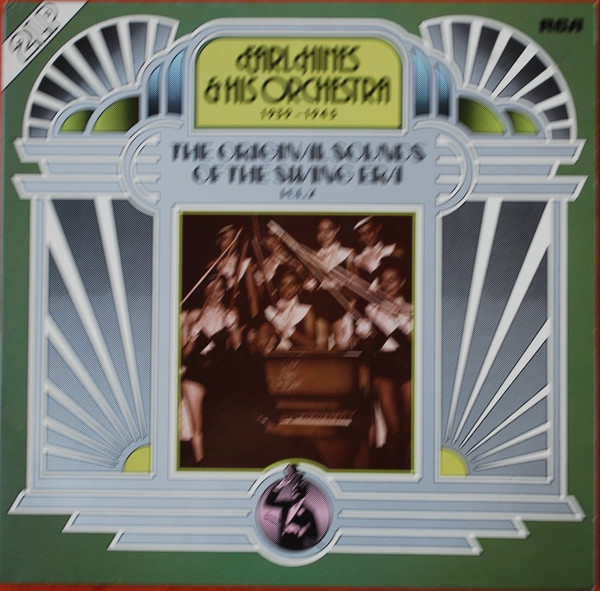
The Original Sounds Of The Swing Era Vol. 2
Earl Hines And His Orchestra · 1976
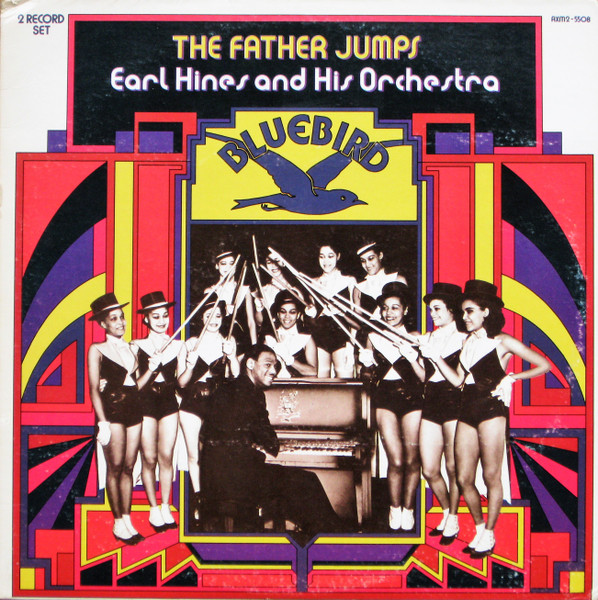
The Father Jumps
Earl Hines And His Orchestra · 1975
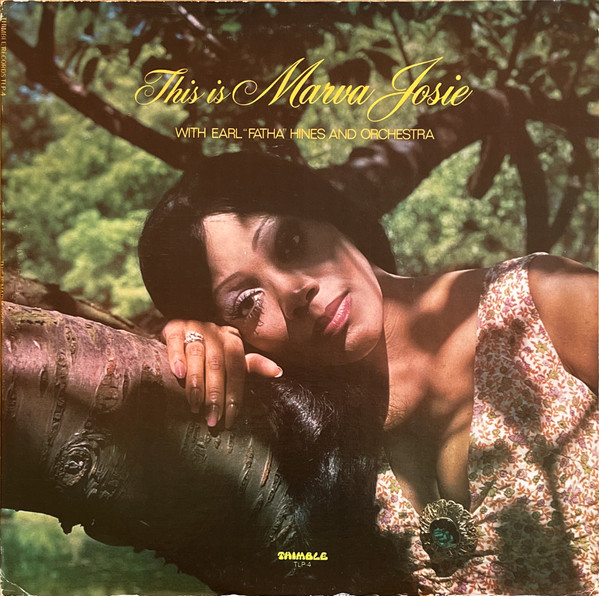
This Is Marva Josie
Marva Josie With Earl "Fatha" Hines And His Orchestra* · 1973
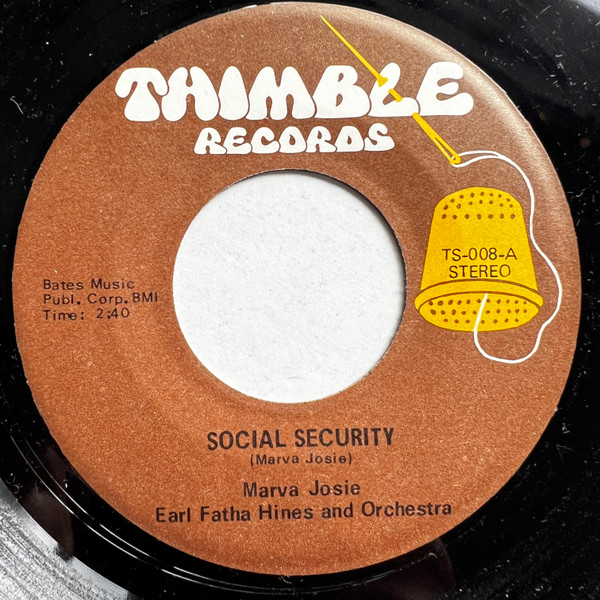
Social Security / Can She
Marva Josie, Earl Hines And His Orchestra · 1973
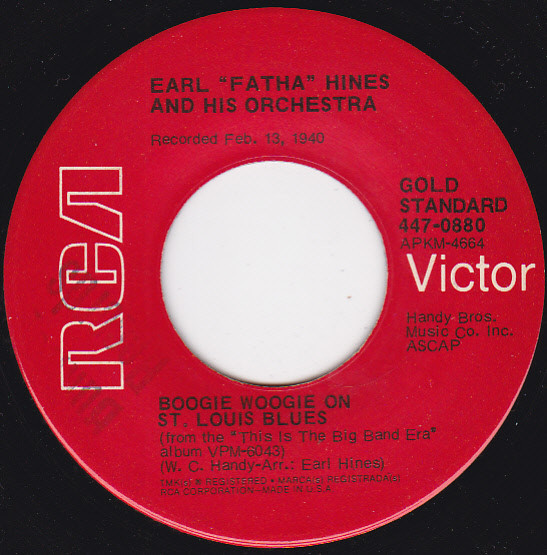
Boogie Woogie On St Louis Blues / South
Earl Hines And His Orchestra / Bennie Moten's Kansas City Orchestra · 1971
Showing 30 of 537 — open Recordz for the full list