 Recordz
About
Faina Georgievna Ranevskaya, née Fanny Girshevna Feldman. Soviet theater and cinema actress (15 [O.S. 27] August 1896, Taganrog, Russian Empire — 19 July 1984, Moscow, USSR). Faina Ranevskaya is equally renowned as one of the greatest Russian actresses of the XX century in the contemporary Russian Federation and worldwide, often cited as the "Queen of the secondary roles." She had an extensive stage career with most classic plays by Anton Chekhov, Aleksandr Ostrovsky, Maxim Gorky, Ivan Krylov, Fyodor Dostoevsky, and Lev Tolstoy, among others, in her repertoire. Ranevskaya had a quirky and dark sense of humor — dry, witty, cynical and borderline morbid; many of her quotes became aphorisms and common sayings inseparably melted in post-Soviet lore and Russian-speaking collective consciousness.
Fanny Feldman was born to a wealthy Jewish family in Taganrog; her father owned several businesses, including a steamboat, and was head of the city synagogue. Faina's mother was a great admirer of literature and art. Faina Feldman attended the Mariinskaya Gymnasium for Girls and later received home education, including music, vocals, and foreign languages. In 1915, she moved to Moscow to pursue a theatrical career; Faina's family criticized her choices, and she gradually grew estranged from her parents and siblings. Ranevskaya befriended many prominent writers and artists in Moscow, such as Marina Tsvetaeva, Osip Mandelshtam, Vladimir Mayakovsky and Vasily Kachalov. Her family left Russia and emigrated to Prague in 1917; Faina decided to stay and further pushed her evolving career. Most of Ranevskaya's theatrical performances weren't filmed, with only reviews and scarce photographs existing today. (A few exceptions include Viña Delmar's Make Way for Tomorrow, Ostrovsky's Truth is Good, Happiness is Better, and The Curious Savage by John Patrick.)
In 1934, Faina Ranevskaya debuted in the cinema, appearing in the silent film Pyshka ("Boule de Suif") directed by Mikhail Romm. When a renowned French dramatist and writer, Romain Rolland (1866—1944), visited the Soviet Union and saw the movie, he was particularly enamored by Ranevskaya's performance. Rolland subsequently organized "Boule de Suif" screenings in France, where it became a commercial success. Throughout her prolific career, Ranevskaya received several prestigious accolades, including the Stalin Prize (1949) for "outstanding creative achievements on stage" and the People's Artist of the USSR (1961) honorary title.
Fanny Feldman was born to a wealthy Jewish family in Taganrog; her father owned several businesses, including a steamboat, and was head of the city synagogue. Faina's mother was a great admirer of literature and art. Faina Feldman attended the Mariinskaya Gymnasium for Girls and later received home education, including music, vocals, and foreign languages. In 1915, she moved to Moscow to pursue a theatrical career; Faina's family criticized her choices, and she gradually grew estranged from her parents and siblings. Ranevskaya befriended many prominent writers and artists in Moscow, such as Marina Tsvetaeva, Osip Mandelshtam, Vladimir Mayakovsky and Vasily Kachalov. Her family left Russia and emigrated to Prague in 1917; Faina decided to stay and further pushed her evolving career. Most of Ranevskaya's theatrical performances weren't filmed, with only reviews and scarce photographs existing today. (A few exceptions include Viña Delmar's Make Way for Tomorrow, Ostrovsky's Truth is Good, Happiness is Better, and The Curious Savage by John Patrick.)
In 1934, Faina Ranevskaya debuted in the cinema, appearing in the silent film Pyshka ("Boule de Suif") directed by Mikhail Romm. When a renowned French dramatist and writer, Romain Rolland (1866—1944), visited the Soviet Union and saw the movie, he was particularly enamored by Ranevskaya's performance. Rolland subsequently organized "Boule de Suif" screenings in France, where it became a commercial success. Throughout her prolific career, Ranevskaya received several prestigious accolades, including the Stalin Prize (1949) for "outstanding creative achievements on stage" and the People's Artist of the USSR (1961) honorary title.
Discography
13 releases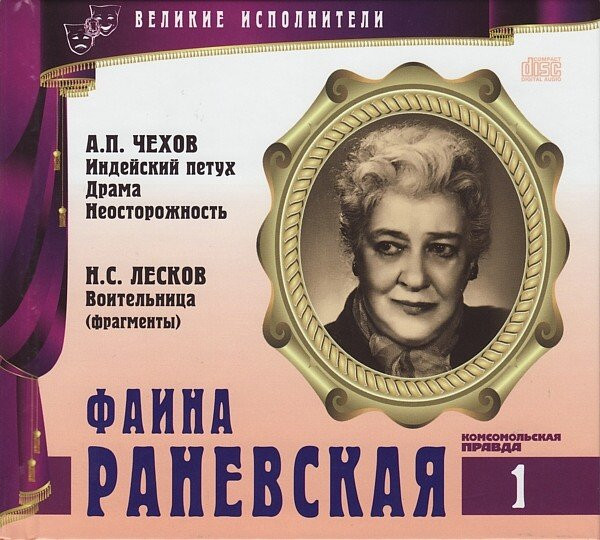
Индейский Петух / Драма / Неосторожность / Воительница
А.П. Чехов*, Н.С. Лесков* - Читает Фаина Раневская · 2011
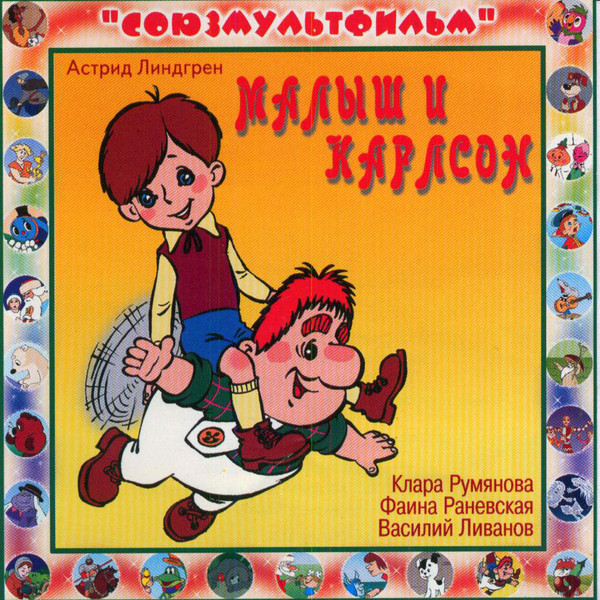
Малыш И Карлсон
Астрид Линдгрен* / Клара Румянова, Фаина Раневская, Василий Ливанов · 2005
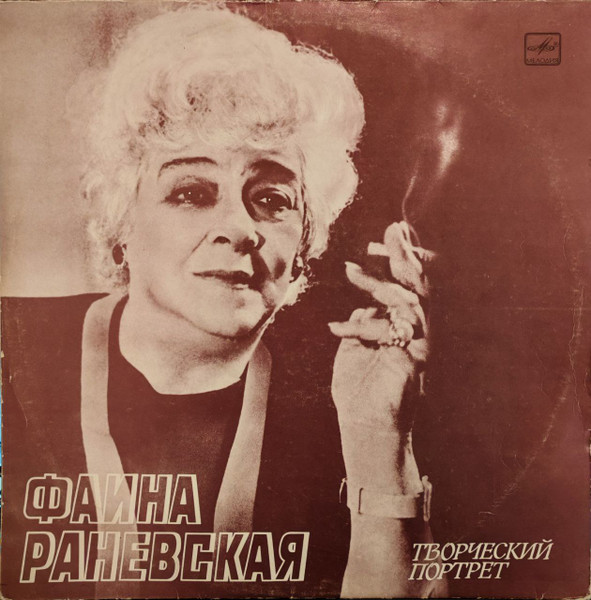
Творческий Портрет
Фаина Раневская · 1987
Кругозор №7/1984
Various · 1984
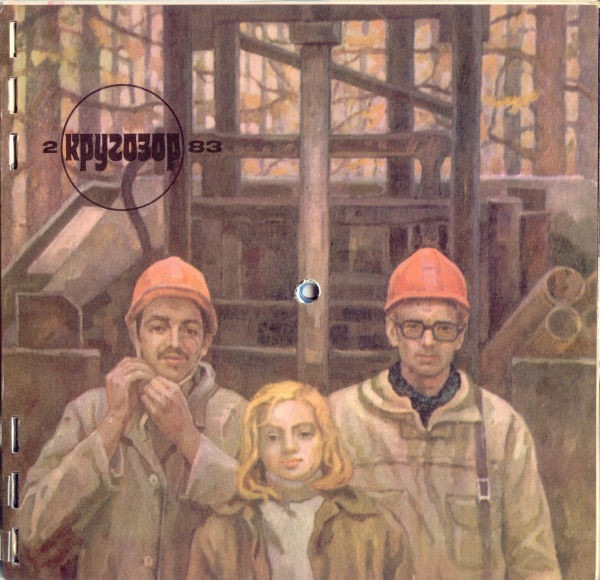
Кругозор № 2/1983
Various · 1983
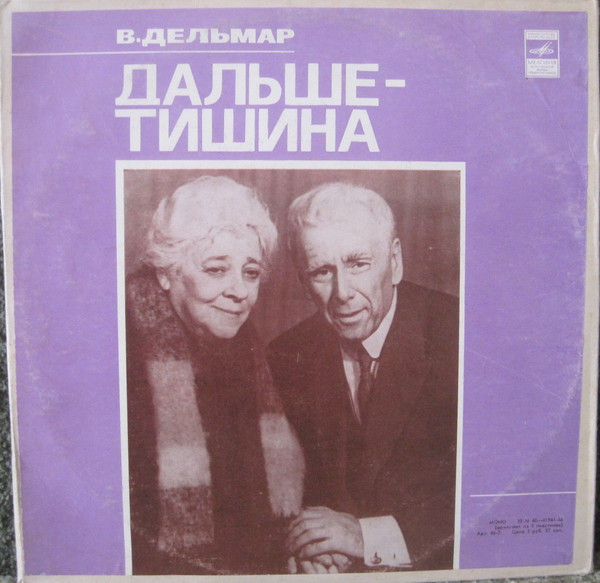
Дальше - Тишина
В. Дельмар* - Государственный Академический Театр Им. Моссовета* · 1980
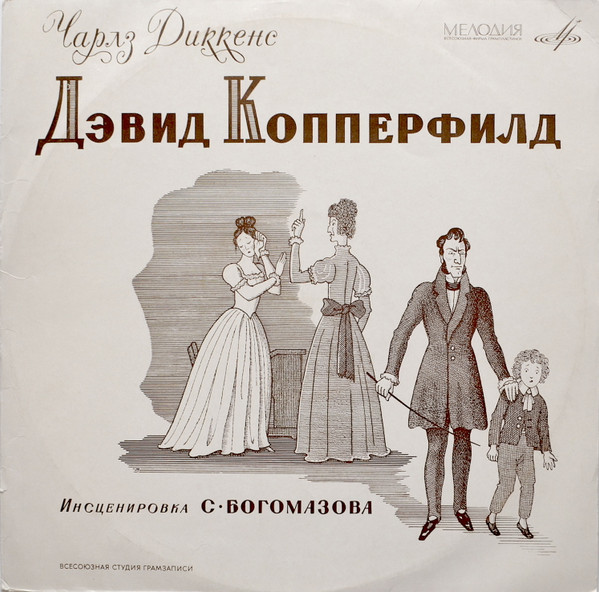
Дэвид Копперфилд
Чарлз Диккенс* · 1969
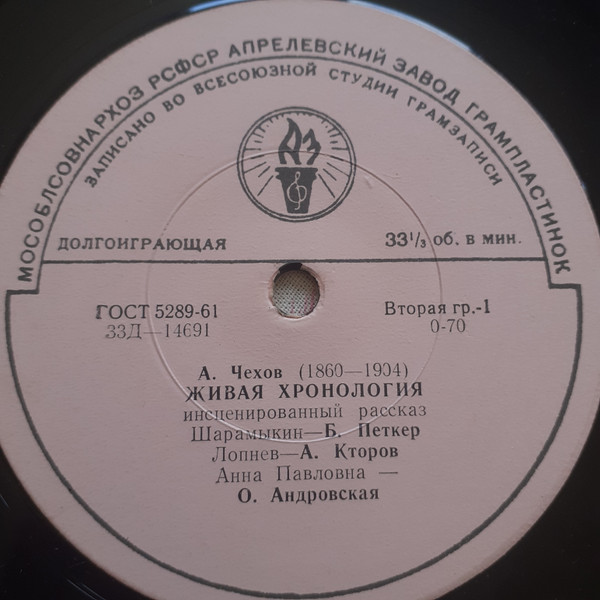
Живая Хронология
А. Чехов* · 1961
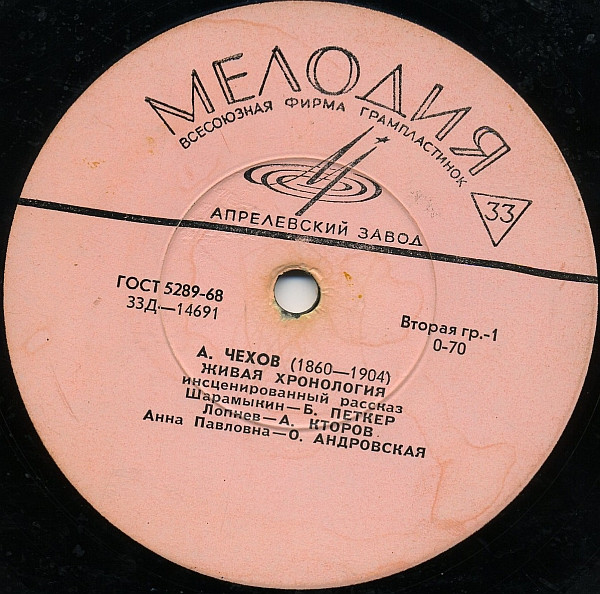
Живая Хронология
А. Чехов*
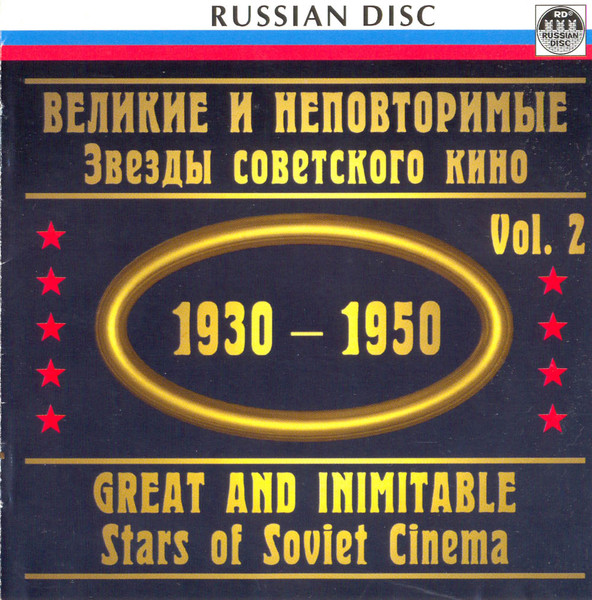
ВЕЛИКИЕ И НЕПОВТОРИМЫЕ Звезды советского кино / GREAT AND INIMITABLE Stars of Soviet Cinema (1930 – 1950) (2)
Various · 1996
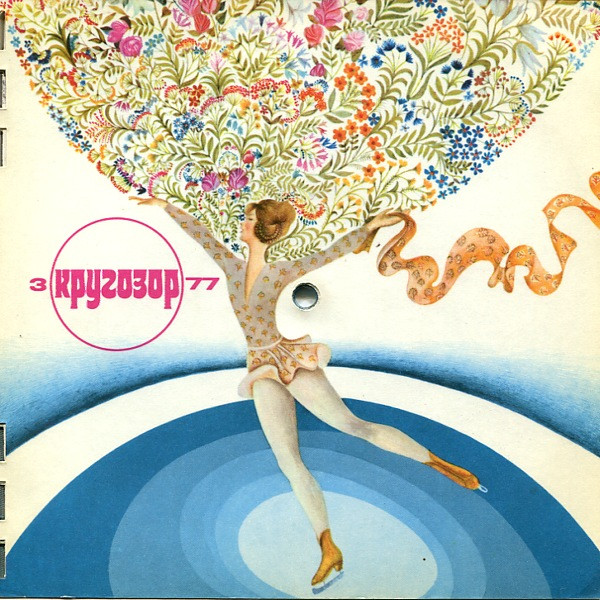
Кругозор № 3/1977
Various · 1977
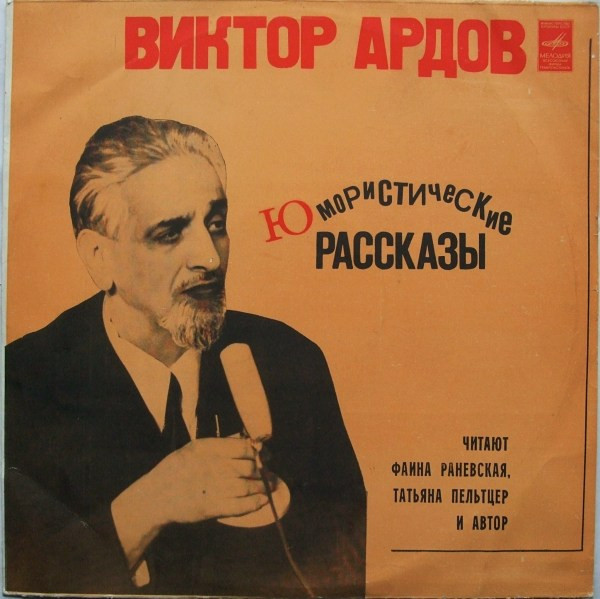
Юмористические Рассказы
Виктор Ардов · 1976
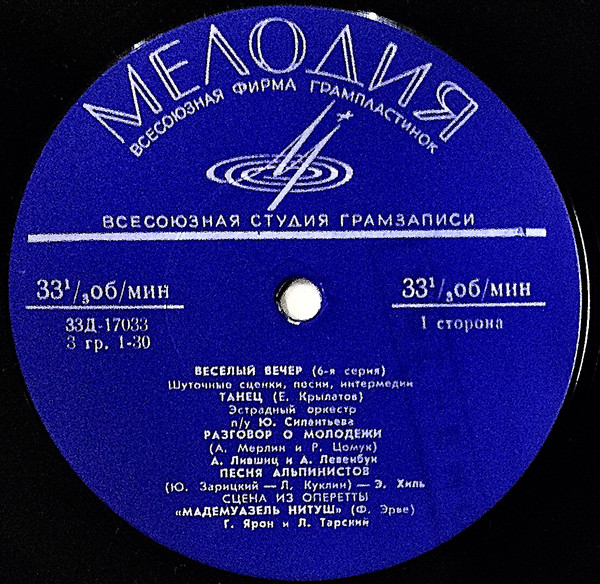
Веселый Вечер (6-я серия)
Various · 1966