 Recordz
About
Antonio "Tony" De La Rosa was born in October 31, 1931, in Sarita, Texas, a worker's hamlet on the sprawling King Ranch. He was among 12 children in a family of field laborers.
When he was six, De La Rosa's mother taught him to play the harmonica. "Then," he said, "I heard the accordion on the radio. I heard the accordion come from a radio in the kitchen. I got hold of one and learned to pick out the chords." At first, he imitated the recordings of pioneer accordionist Narciso Martínez. At age sixteen, Tony went to nearby Kingsville and played in the small taverns there. "I spent a lot of time with my accordion on one side of me and the shoeshine box on the other," he said. In 1949, De La Rosa made his first recording, featuring two polkas, "Sarita" and "Tres Ríos," for the Arco label in Alice, Texas. The next year he joined the Ideal label. By the mid-1950s, his band, or conjunto, was the most popular in Texas. By that time, too, he had codified the instrumentation that endures to this day: button accordion, amplified bajo sexto (a type of 12-string guitar used as a rhythm instrument), electric bass, and drums. By adding drums and replacing the upright acoustic bass, or tololoche, with the amplified instrument, De La Rosa changed the music itself. The polka tempo slowed, ushering in the new tacuachito dance style with the slow, gliding movements of the possum (tachache). The accordion and bajo sexto players were freed to develop more stylistic nuances, and De La Rosa's accordion playing was marked by a more staccato, deliberate character. His much-imitated 1956 instrumental rendition of the song "Atotonilco" hastened acceptance of these changes.
Conjunto De La Rosa, which has included two of the leader's brothers, has toured constantly all over the United States. It has recorded more than 75 albums and many single discs. Tony De La Rosa was inducted into the Conjunto Music Hall of Fame in San Antonio in 1982.
When he was six, De La Rosa's mother taught him to play the harmonica. "Then," he said, "I heard the accordion on the radio. I heard the accordion come from a radio in the kitchen. I got hold of one and learned to pick out the chords." At first, he imitated the recordings of pioneer accordionist Narciso Martínez. At age sixteen, Tony went to nearby Kingsville and played in the small taverns there. "I spent a lot of time with my accordion on one side of me and the shoeshine box on the other," he said. In 1949, De La Rosa made his first recording, featuring two polkas, "Sarita" and "Tres Ríos," for the Arco label in Alice, Texas. The next year he joined the Ideal label. By the mid-1950s, his band, or conjunto, was the most popular in Texas. By that time, too, he had codified the instrumentation that endures to this day: button accordion, amplified bajo sexto (a type of 12-string guitar used as a rhythm instrument), electric bass, and drums. By adding drums and replacing the upright acoustic bass, or tololoche, with the amplified instrument, De La Rosa changed the music itself. The polka tempo slowed, ushering in the new tacuachito dance style with the slow, gliding movements of the possum (tachache). The accordion and bajo sexto players were freed to develop more stylistic nuances, and De La Rosa's accordion playing was marked by a more staccato, deliberate character. His much-imitated 1956 instrumental rendition of the song "Atotonilco" hastened acceptance of these changes.
Conjunto De La Rosa, which has included two of the leader's brothers, has toured constantly all over the United States. It has recorded more than 75 albums and many single discs. Tony De La Rosa was inducted into the Conjunto Music Hall of Fame in San Antonio in 1982.
Discography
206 releases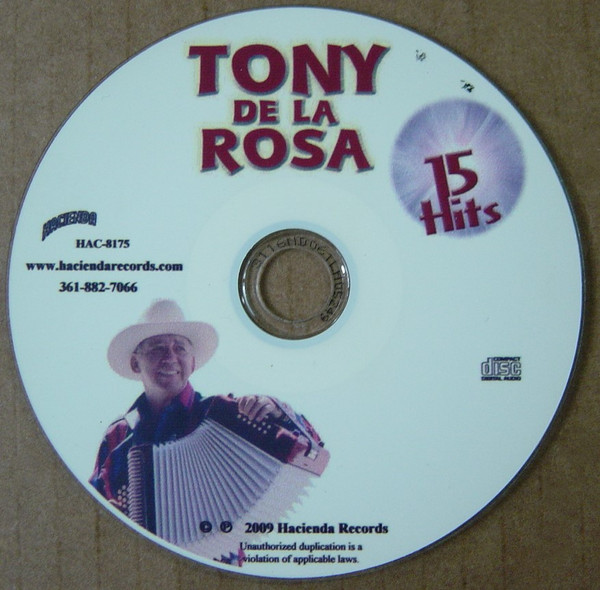
15 Hits
Tony De La Rosa · 2009
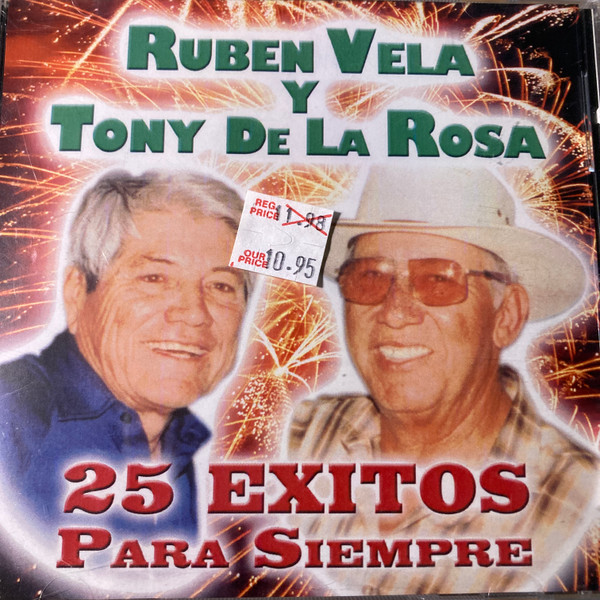
25 Exitos Para Siempre
Ruben Vela, Tony De La Rosa · 2005
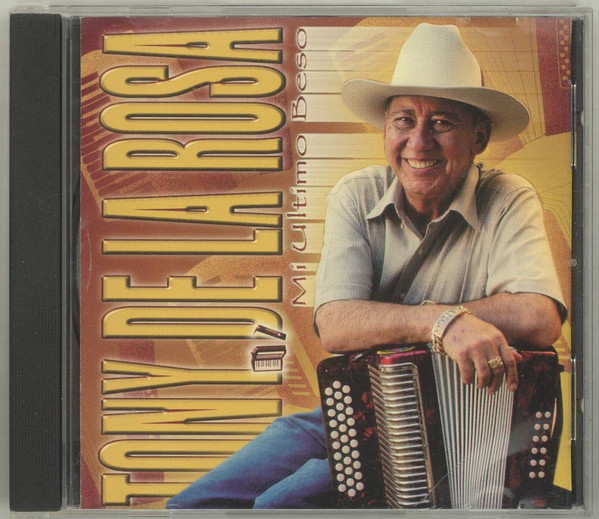
Mi Ultimo Beso
Tony De La Rosa · 2000

Buenos Amigos
Ruben Vela, Tony De La Rosa · 1998
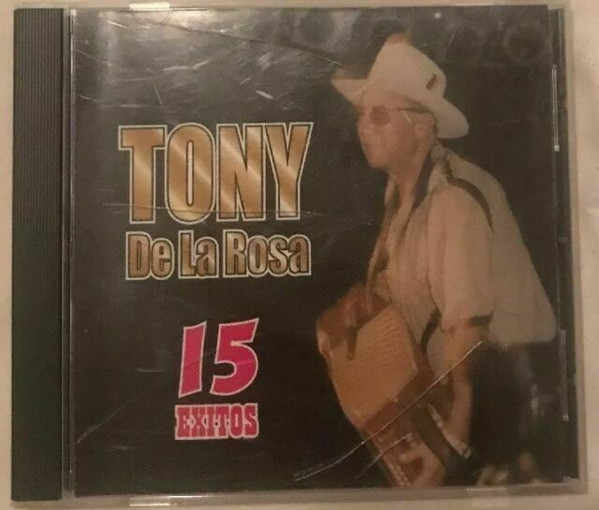
15 Exitos
Tony De La Rosa · 1997
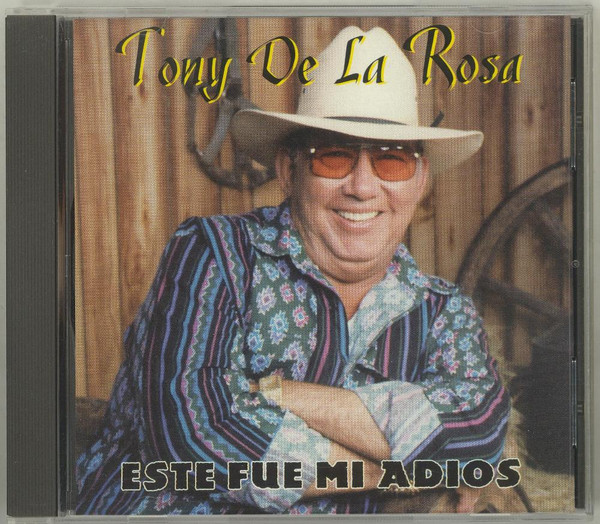
Este Fue Mi Adios
Tony De La Rosa · 1996
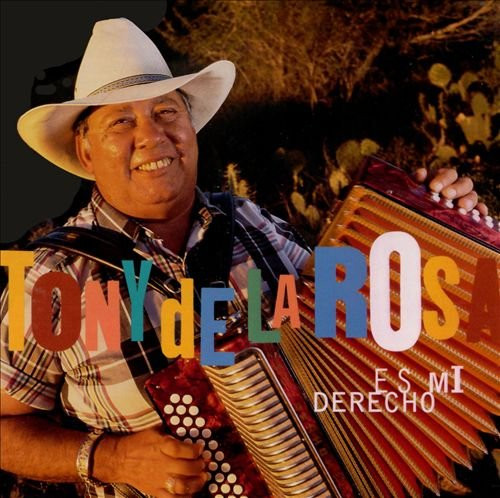
Es Mi Derecho
Tony De La Rosa · 1995
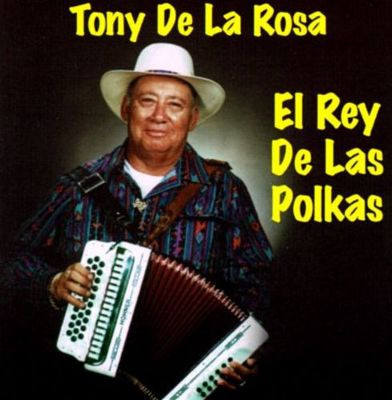
El Rey De Las Polkas
Tony De La Rosa · 1995
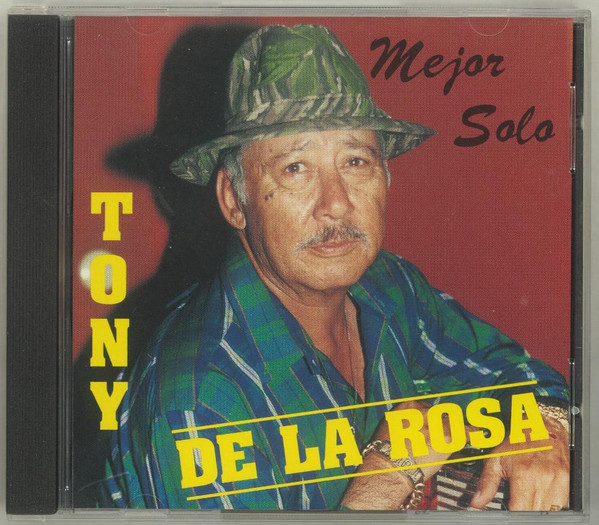
Mejor Solo
Tony De La Rosa · 1993
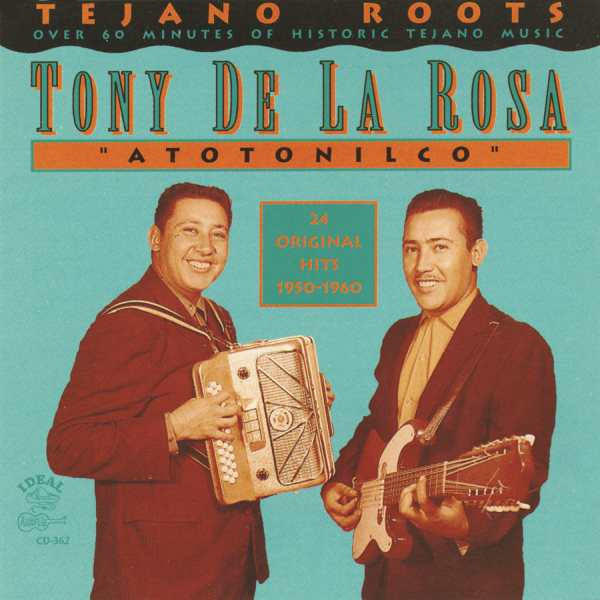
Atotonilco
Tony De La Rosa · 1993
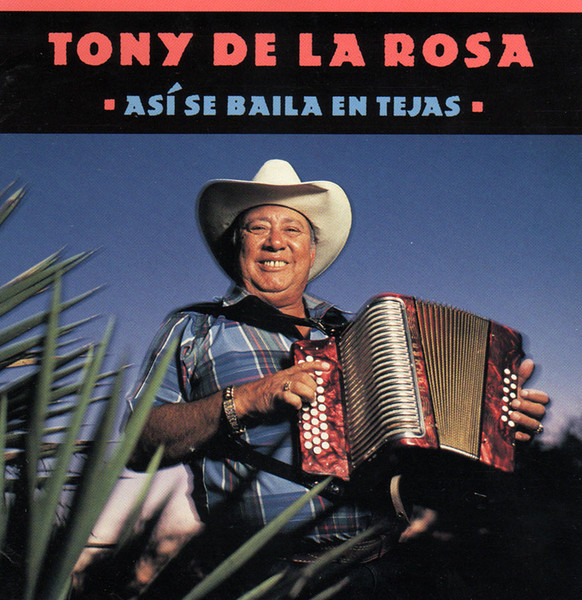
Así Se Baila En Tejas
Tony De La Rosa · 1991
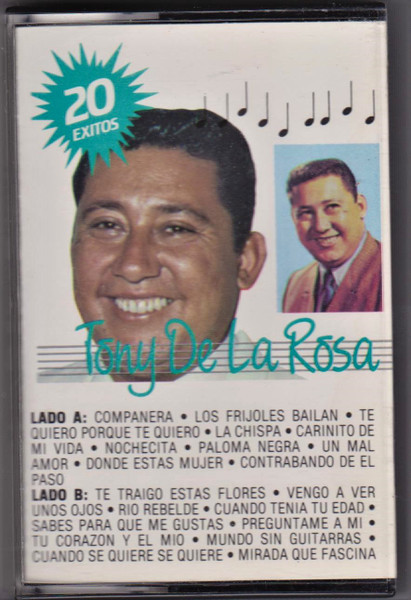
20 Exitos
Tony De La Rosa · 1987
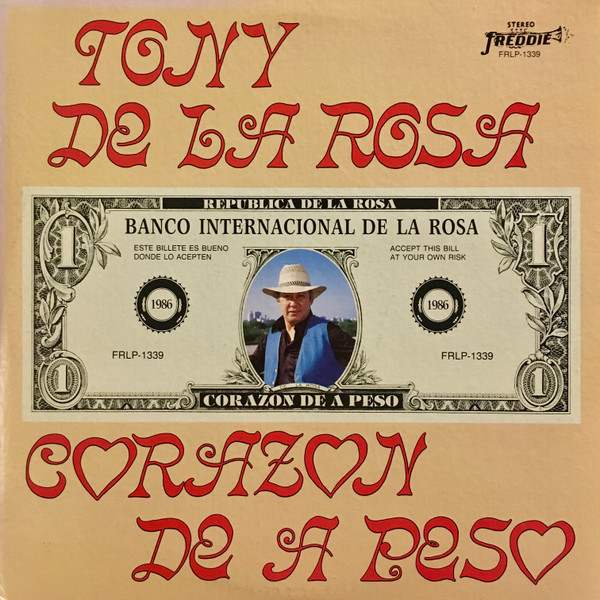
Corazon De A Peso
Tony De La Rosa · 1985
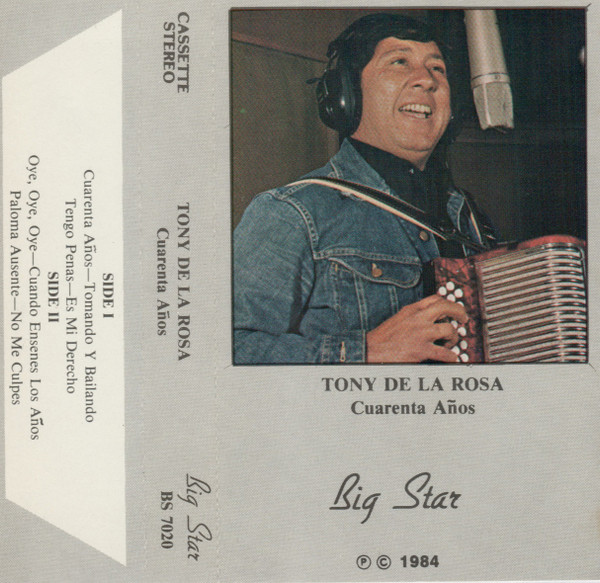
Cuarenta Anos
Tony De La Rosa · 1984
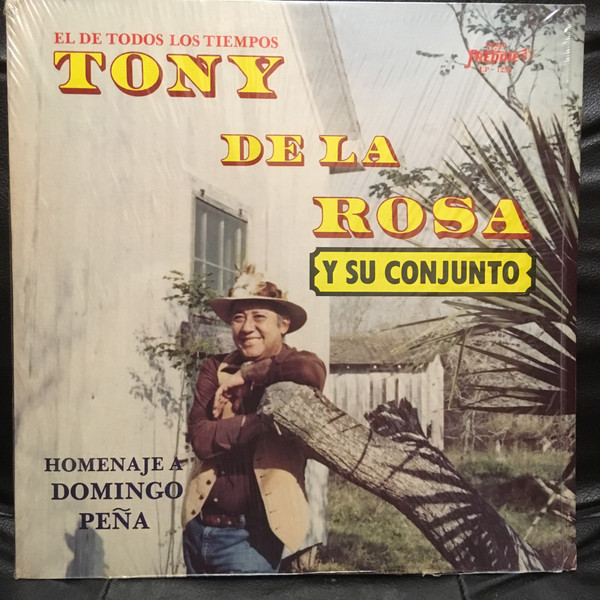
Homenaje A Domingo Pena
Tony De La Rosa · 1983
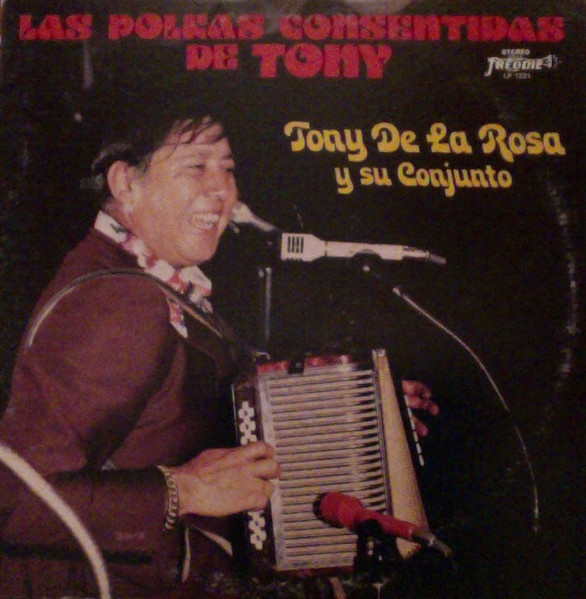
Las Polkas Consentidas De Tony
Tony De La Rosa · 1982
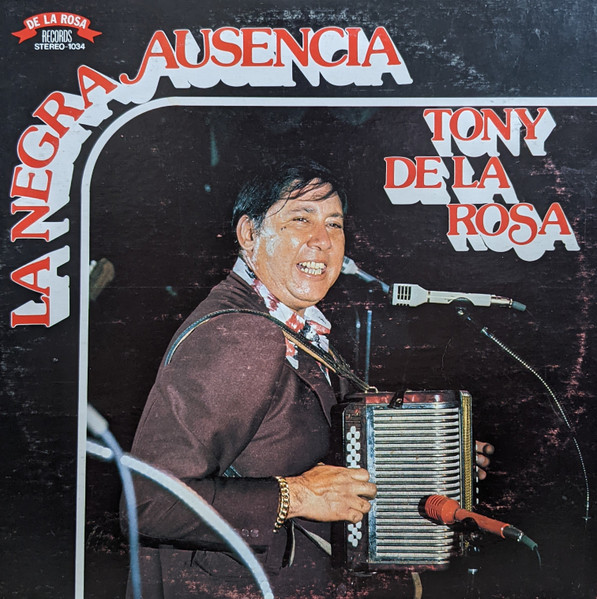
La Negra Ausencia
Tony De La Rosa · 1980
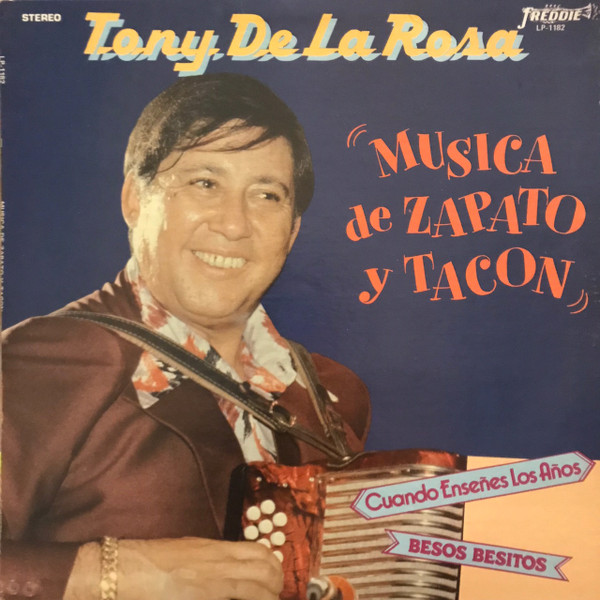
Musica De Zapato Y Tacon
Tony De La Rosa · 1980
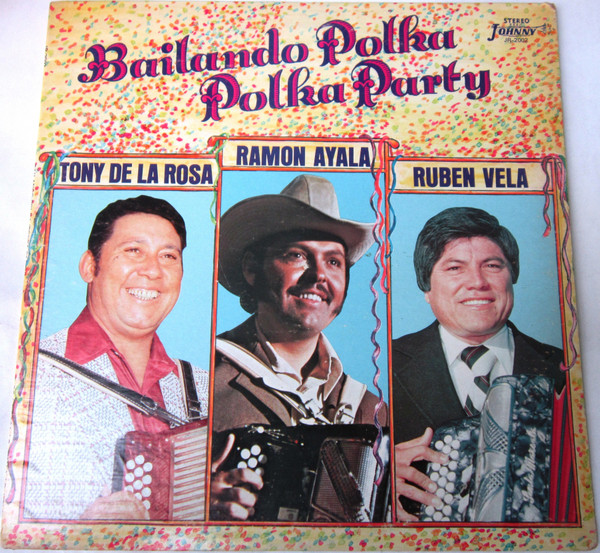
Bailando Polka Polka Party
Tony De La Rosa, Ramón Ayala, Ruben Vela · 1980
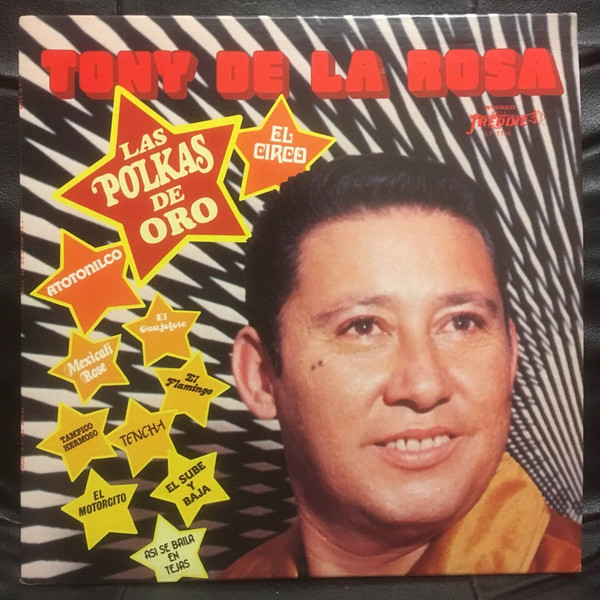
Las Polkas De Oro
Tony De La Rosa · 1980
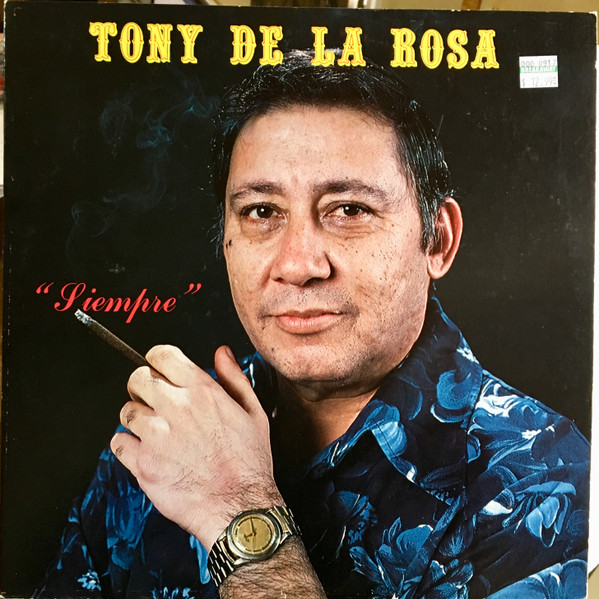
Siempre
Tony De La Rosa · 1979
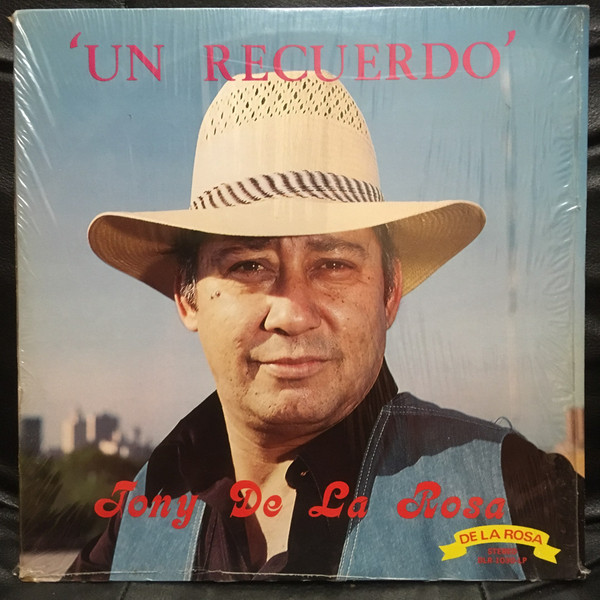
Un Recuerdo
Tony De La Rosa · 1979

Piedras Del Campo
Tony De La Rosa · 1979
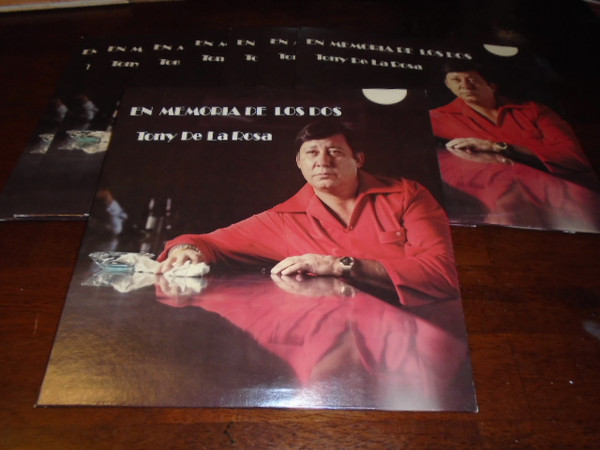
En Memoria De Los Dos
Tony De La Rosa · 1978
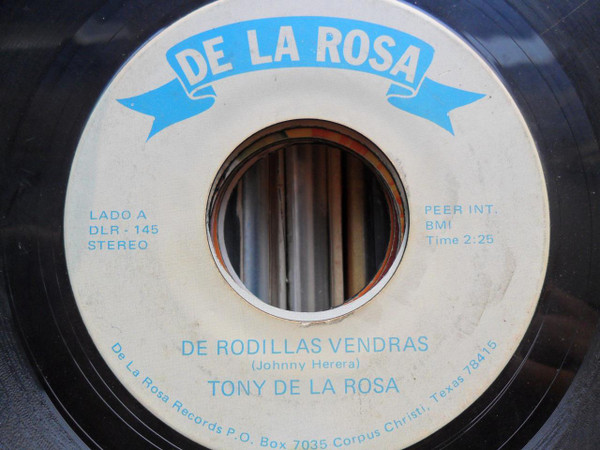
De Rodillas Vendras / En Memoria De Los Dos
Tony De La Rosa · 1978
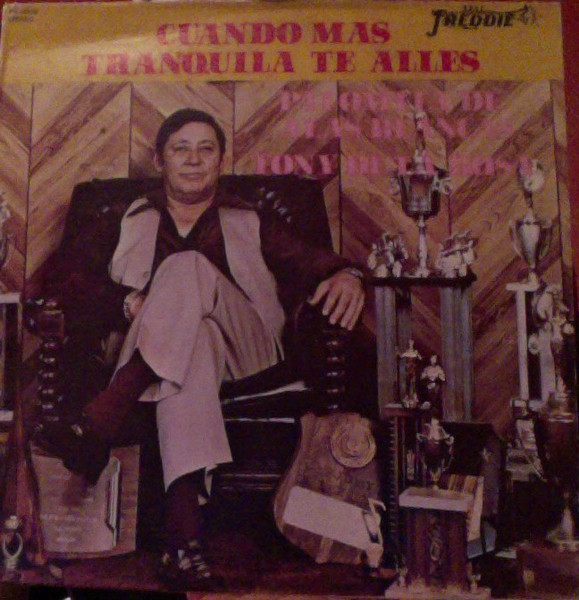
Cuando Mas Tranquila Te Alles / Palomita De Alas Blancas
Tony De La Rosa · 1977
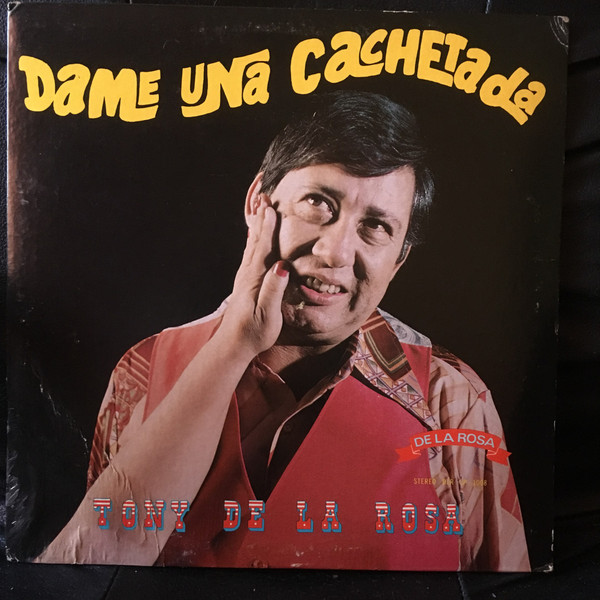
Dame Una Cachetada
Tony De La Rosa · 1977
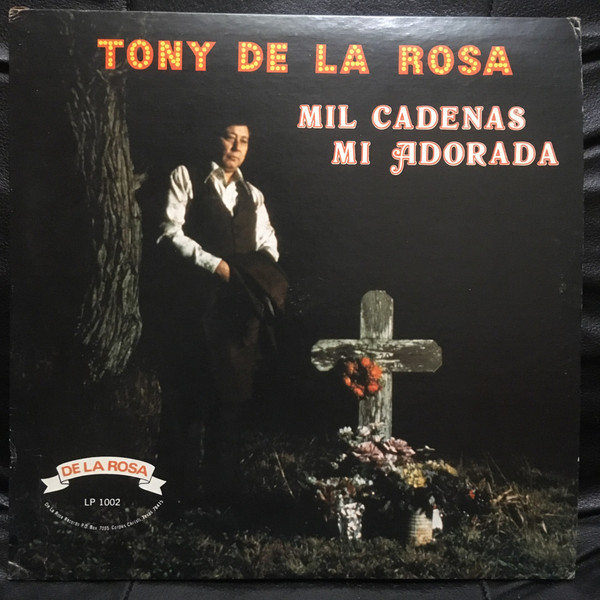
Mil Cadenas
Tony De La Rosa · 1977
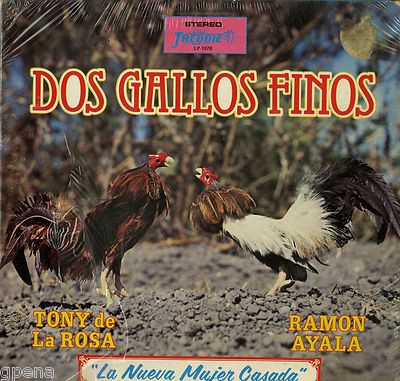
Dos Gallos Finos
Los Bravos del Norte de Ramón Ayala, Tony De La Rosa · 1977
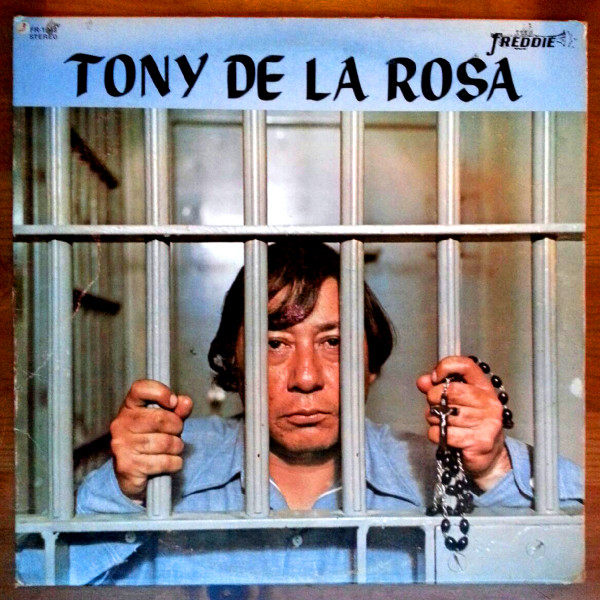
Tony De La Rosa
Tony De La Rosa · 1976
Showing 30 of 206 — open Recordz for the full list